
Buying a Used Hybrid? These 5 Questions Can Save You From a Very Expensive Mistake

by AutoExpert | 1 July, 2026
A used hybrid can be a really smart buy. That is the good news.
The other news is that people sometimes shop for one the same way they shop for any regular used car, and that is where things can go sideways. A hybrid is still a car, obviously, but it also comes with a few extra things worth paying attention to before you hand over your money and drive off feeling clever.
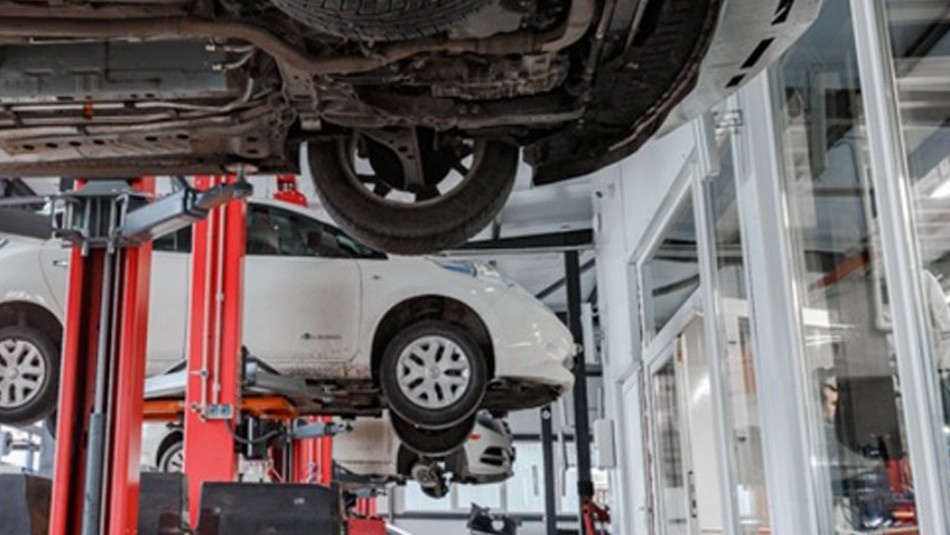
Because when a used hybrid is good, it can be really good. Great fuel economy, lower running costs, less guilt at the pump, and in many cases a reputation for reliability that is better than people still assume. But when a used hybrid has been neglected, misrepresented, or is quietly approaching an expensive turning point, the “smart buy” can start feeling a lot less smart.
That is why the questions matter. The first one is the warranty.
This is not the sexiest place to start, but it is one of the most important. Hybrid-specific components usually carry longer coverage than the rest of the car, especially things like the battery pack and electric drive components. That can be a huge comfort if the vehicle is still within the warranty window. But do not stop at “yes, it has one.” You want the details. What exactly is covered? For how long? Is the limit based on years, mileage, or both? Is the coverage transferable? And if something does go wrong, what would still come out of your pocket?
That last part matters because a lot of people hear “hybrid battery” and immediately imagine a five-figure disaster. In reality, replacement costs vary a lot depending on the model, and they are often lower than people fear. Still, “lower than feared” is not the same as “cheap,” so if the car is out of warranty or getting close, you want to know what that future might look like before pretending it will never happen.
The next question is mileage, but not in the simple, lazy way people usually mean it.
Yes, the odometer matters. Of course it does. But what matters more is what the mileage says in context. A used hybrid with moderate mileage and a clean history can be a fantastic buy. A used hybrid with very high mileage is not automatically bad either, but it does mean you need to be more realistic about what may be coming next. Battery age, electric motor wear, suspension wear, brakes, cooling systems, all of it starts becoming more relevant as the numbers climb. That does not mean you should run from any hybrid with serious mileage. It just means you should stop pretending mileage is only a resale issue and remember it is also a timing issue.
Then comes fuel economy, which sounds obvious until you notice how many buyers never ask the most useful version of the question.
Not “what did the EPA say when the car was new?”
What does this car actually get?
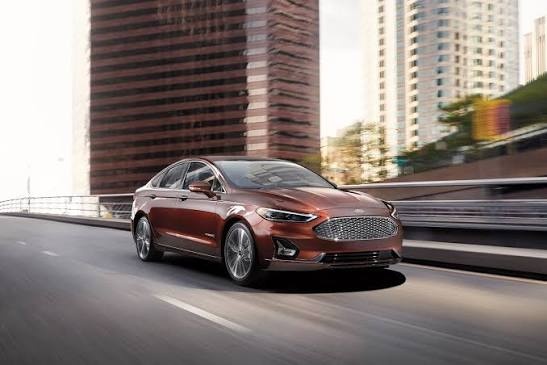
If you are buying a hybrid, fuel economy is a big part of the reason. So ask the seller what kind of mileage they have really been seeing. Not the fantasy answer. Not the best highway run they ever got with a tailwind and ideal weather. The normal answer. The everyday answer. If they get weirdly vague or defensive about it, that is worth noticing. A good used hybrid should still be giving you a meaningful efficiency advantage, and if it is not, you want to know why before you become the next owner trying to explain it away.
Maintenance history is probably the biggest one of all.
Honestly, this is where a lot of bad used-car decisions could be avoided if people were willing to be a little less polite and a little more nosy. Ask for records. Ask what was done and when. Ask who serviced it. Ask whether the maintenance was regular or reactive. A seller who took care of the car will usually be able to show you that in one way or another. A seller who did not will often start answering in fog.
That is your cue.
A used hybrid does not have to come with a scrapbook of every oil change since birth, but it should not feel mysterious either. You want enough evidence to believe the car was actually looked after. A history report helps too, especially to catch the broader stuff like prior accidents, title issues, and whatever else the seller forgot to mention because it slipped their mind at the exact moment it became inconvenient.
And then there is recalls.
This is the question people sometimes treat like a technicality, right up until it is not. Recalls happen on every kind of car, including hybrids. Some are minor, some are not, and the important part is not just whether the car had recalls. It is whether the recall work was actually done. If the car was part of a recall campaign involving the battery, software, braking system, or anything else tied to safety or drivability, you want proof that it was addressed properly. “I think so” is not good enough here.
The reason these five questions matter is not because hybrids are fragile or suspicious. It is because they are specific. A good used hybrid can be a genuinely excellent car. Efficient, dependable, practical, and cheaper to live with than a lot of buyers expect. But the good ones usually come with clear answers. Clear warranty situation. Clear maintenance story. Clear recall history. Clear real-world fuel economy. Clear sense of how much life the car has already lived.
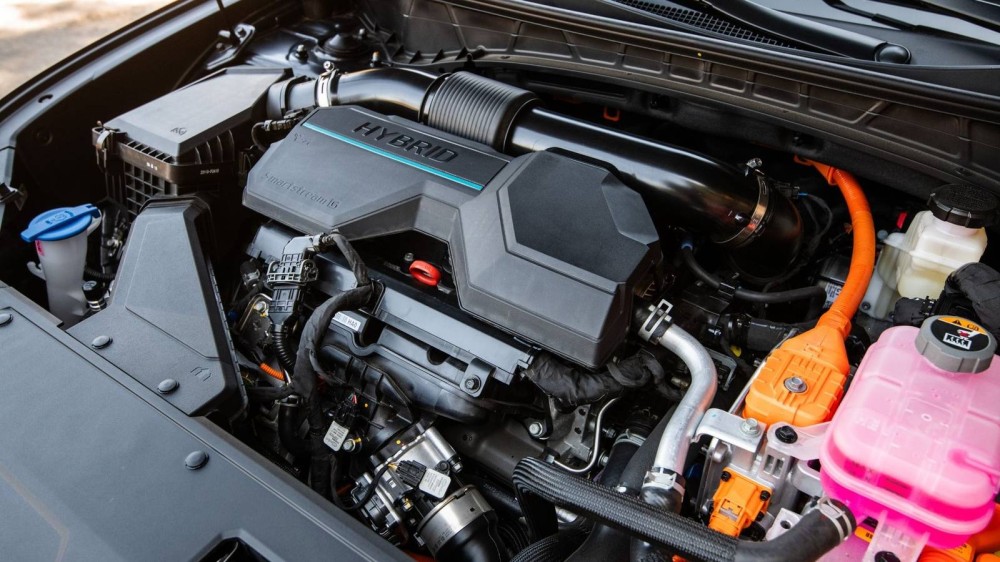
That is what you want.
Not a vague seller. Not a great price with weird silence around the details. Not a car that only makes sense if you avoid thinking too hard about what might need attention next.
A used hybrid can absolutely save you money.
Just make sure you ask enough questions first that it does not end up doing the opposite.