How Highway Blue Logo Signs Work and What It Costs to Get Your Business Listed
by AutoExpert | 16 February, 2026
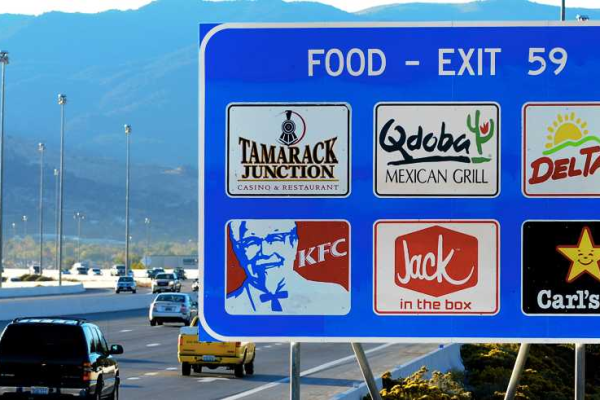
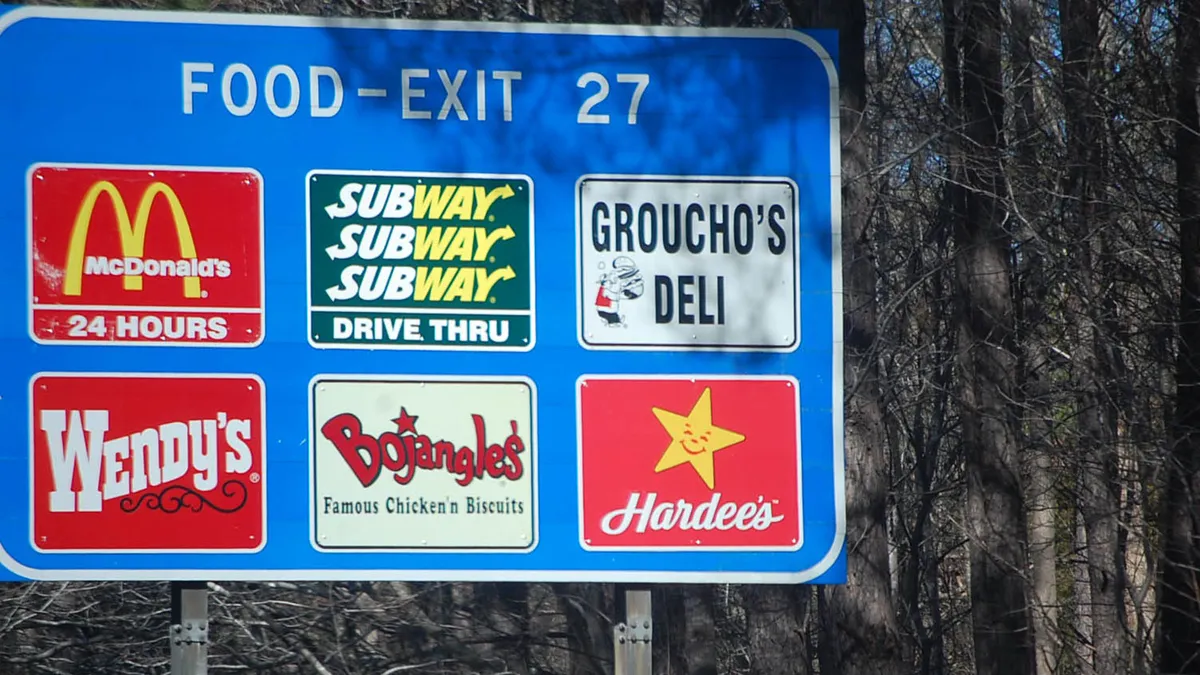
Those big blue signs near interstate exits showing gas stations, restaurants, and hotels aren't random. Getting a spot on one can seriously boost a business's profits, and states make good money from them too. Tennessee pulls in about $8 million a year from these signs. Virginia gets around $6 million.
"All highway signs serve a specific purpose and their color is how you can easily tell what the sign's purpose is," says Jeni Campana from the Nebraska Department of Transportation. "These signs in particular are blue or informational signs. Regardless of what state you drive through, if you see a blue sign, it's going to provide helpful information to motorists."
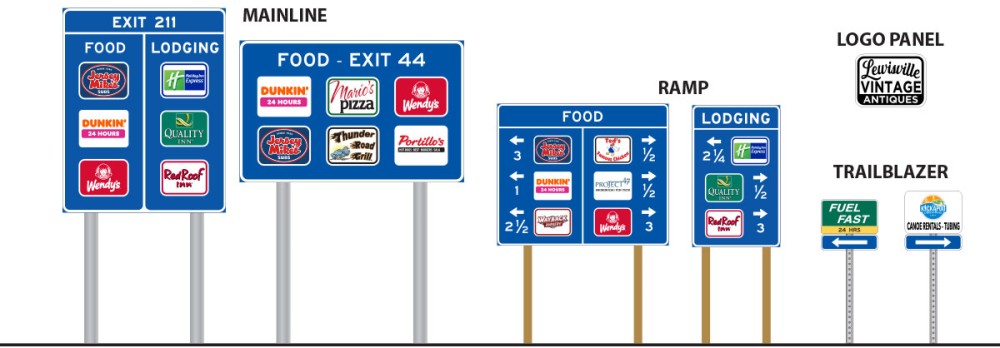
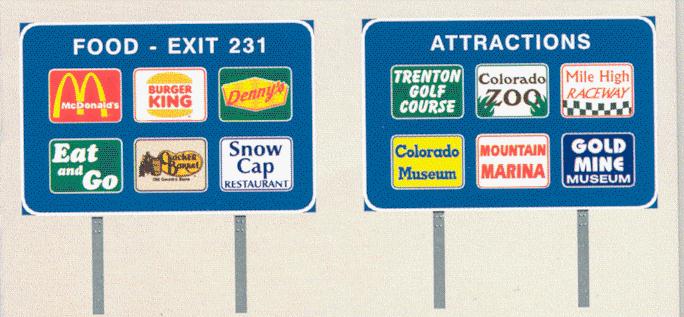
There are three types: the mainline sign you see first that tells you services are coming up, the ramp sign closer to the exit that shows which way to turn, and the trailblazer signs at each corner guiding you to the actual business.
Who Qualifies?
Only certain businesses can get on these signs. Gas, food, and lodging near the exit are the main categories. Tourist attractions were added later. Mark Nagi from the Tennessee Department of Transportation says most businesses need to be within 5 miles of an exit, though attractions can be up to 15 miles away.
Each state has its own rules, but generally businesses need public restrooms, drinking water, and phones. Places open 24 hours sometimes get priority. Distance matters in some states. Florida gives preference to businesses within 3 miles of the exit, though those up to 6 miles away can still qualify.
Museums, wineries, farms open for tours, and zoos can get spots. Churches, movie theaters, and adult entertainment venues can't.
Applying is easy. Just fill out a form online. Getting approved is the hard part. Some businesses in cities wait years for an opening, according to 99PercentInvisible.
"In the urban areas it can be difficult to secure a spot on the blue motorist service signs because they often fill up to capacity," says Tracey Bramble from the Iowa Department of Transportation. "There is a limit of six spots on the signs."
Signs have to be at least 800 feet apart and placed right before the interchange where you can access the businesses. Green and white directional signs get priority, so if exits are close together, there might not be room for the blue signs and still maintain proper spacing.
What It Costs
Even when space is available, it's not cheap. Nebraska charges $1,200 per year per sign. Want both directions covered? That's $2,400 a year. Tennessee runs about $900 in cities and $650 in rural areas per direction. New Jersey can hit $2,400 per direction. Nonprofits sometimes get discounts.
Rural areas with empty sign space are cheaper. In Iowa, spots can go for as little as $230 in the right locations, Bramble says.
"In Iowa, the fees charged are not comingled with other road user fees but are earmarked specifically for outdoor advertising control purposes," she explains. "Some states hire private contractors to run the program, who are then allowed to set their own price structures. Iowa has retained its state-run program and has avoided raising fees since 1996."
Interstate Logos is the biggest private contractor, handling signs for over 20 states. It makes money from permits and markets empty spaces to fill blank spots. Nagi says Tennessee gets 80 percent of the revenue from its contractor.
Prices can jump when contractors take over. In New Hampshire, the annual fee shot up from $500 to $1,800 per sign, which annoyed a lot of businesses.
Why Blue Signs Exist
States started using these signs to give drivers accurate info about services ahead. They became more important when Americans started complaining about too many billboards cluttering highways. President Lyndon B. Johnson signed the Highway Beautification Act in 1965 to limit billboard and outdoor advertising.
Some states went further. Vermont banned billboards completely. So did Maine, Hawaii, and Alaska.
With fewer billboards allowed, companies still needed ways to reach travelers. The blue signs were the compromise. They give smaller businesses an affordable way to advertise at a fraction of billboard costs. And because they're standardized, they're easy to read when you're flying by at 70 mph.
"All the logo signs help to reduce billboard clutter and provide smaller businesses a feasible way to market their service at a cost much lower than billboards and easier to read," Nagi says.
Those blue signs are bigger than you'd think, by the way. About 19 feet wide and 10 feet high, according to Bramble.