Your New Car Lost Thousands of Dollars Before You Made It Home from the Dealership
by AutoExpert | 17 June, 2026
There's a number that car salespeople don't bring up, and financial advisors mention mostly to people who already bought the car. The moment you drive a new vehicle off the dealer's lot, it stops being a new car. And a new car is worth a lot more than a used one — even if the used one is one hour old.
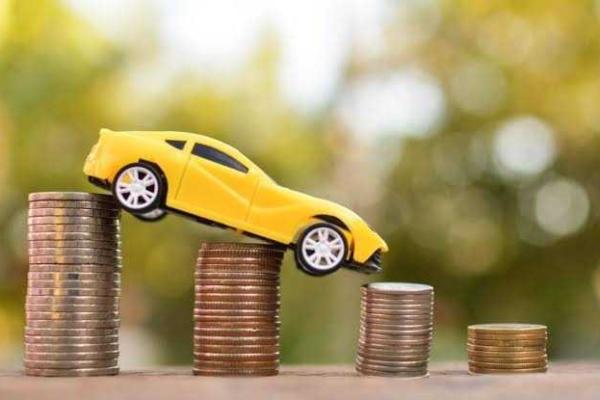
The average new car loses somewhere between 15% and 20% of its value in the first year. On a $35,000 car, that's $5,250 to $7,000 — gone before you've made your third payment. Some models lose more. Some less. But the direction is always the same.
Why Depreciation Hits So Hard in Year One
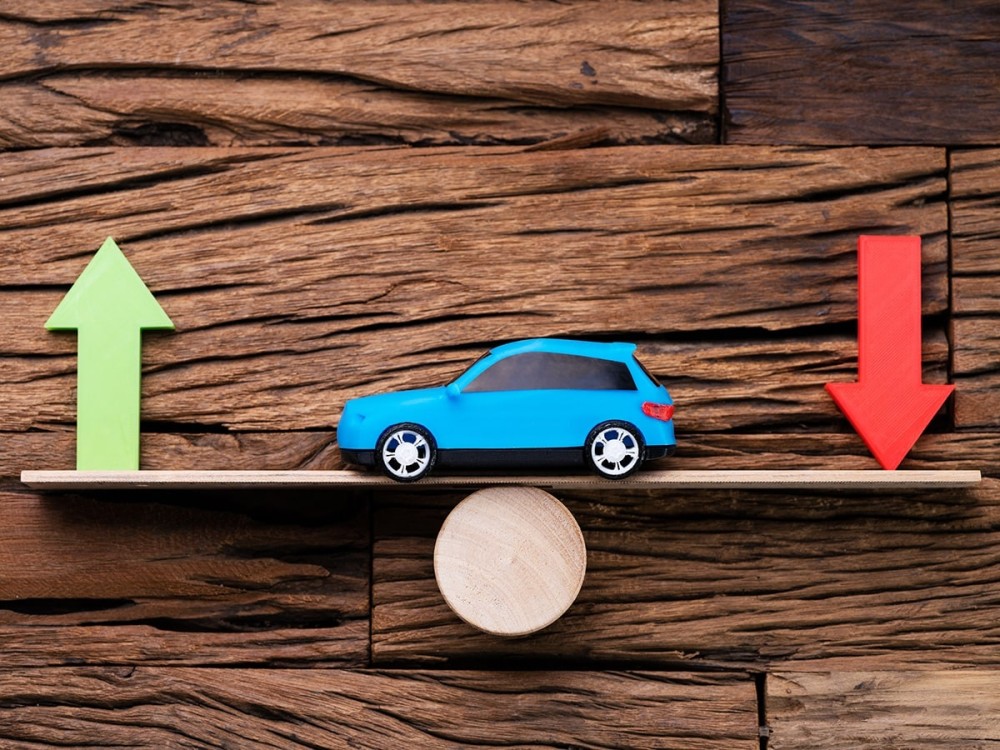
The first-year drop is so steep because of how new cars are priced. When a car sits on a dealer's lot, it carries the full MSRP: new car certification, full warranty, zero miles, all the reassurance that someone is buying into. The moment a private buyer drives it home, all of that changes. It's now a used car. One owner, some miles, warranty transferred but not quite the same as factory-fresh.
The market prices that difference immediately. A buyer shopping a one-year-old car with 12,000 miles doesn't pay new car prices. So the person who bought new absorbs the entire gap.
Depreciation by Model: The Extremes
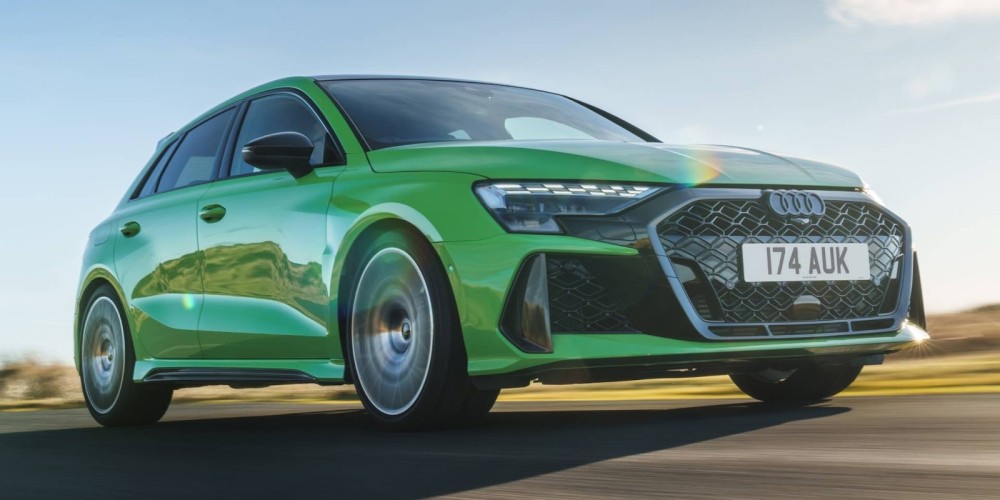
Some vehicles depreciate dramatically faster than others. Luxury sedans and electric vehicles (outside of Tesla) have historically seen some of the steepest drops — 30% to 40% in the first year on certain models. The reason: the used market for a $60,000 luxury sedan doesn't need to pay $60,000 for it when there are plenty of certified pre-owned examples at $40,000.
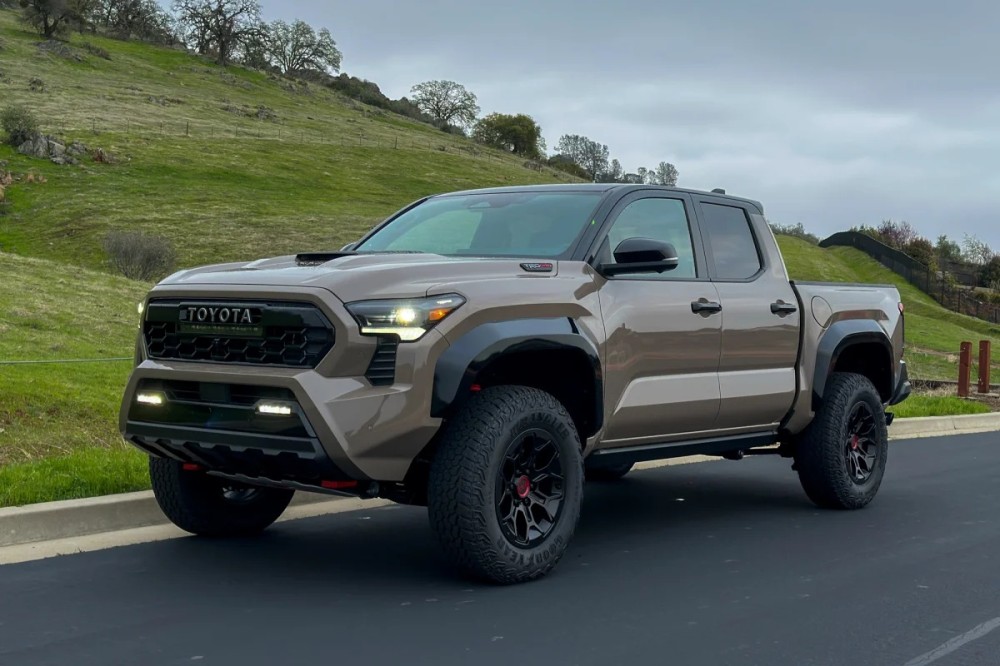
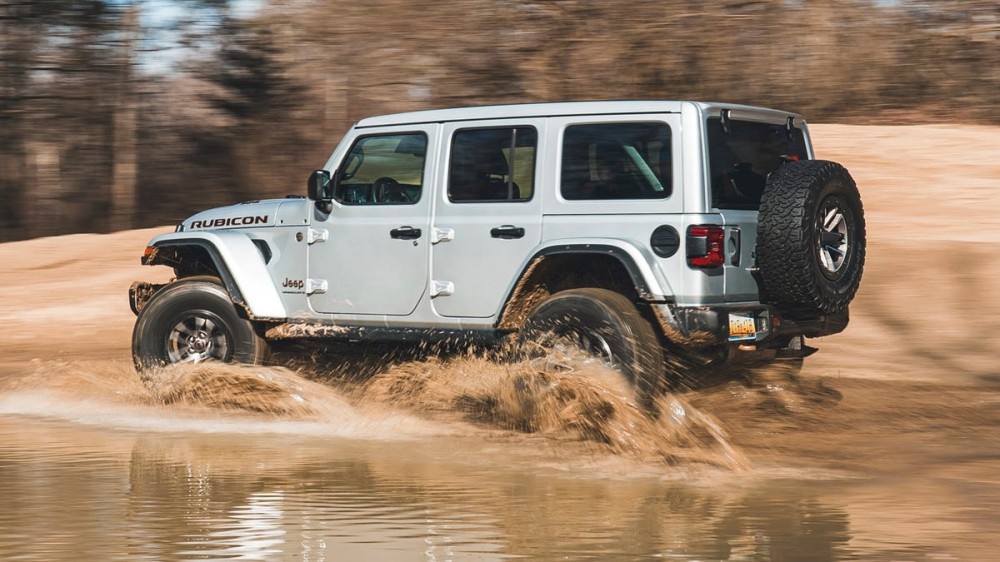
Trucks and SUVs hold their value much better. A Toyota Tacoma or a Jeep Wrangler in popular configurations routinely holds 70% to 80% of its value after three years. High demand and limited used supply prop up their prices in ways that rarely apply to sedans.
The five-year depreciation picture is stark for most new vehicles. After five years, the average car has lost roughly 60% of its original value. On a $40,000 purchase, that's $24,000 in depreciation absorbed by the owner — or spread across the loan if you're financing, which means you're also paying interest on money you no longer have in value.
The Practical Takeaway
Buying a car that's two to three years old lets you let someone else absorb the steepest part of the depreciation curve. A car that was $38,000 new is often available used at $26,000 to $28,000 after three years, still has meaningful warranty coverage on certified pre-owned programs, and has already proven itself over 30,000 to 40,000 miles.
The argument for buying new — getting exactly what you want, full warranty, no unknown history — is real and valid. But it comes with a cost that rarely appears on the sticker.
The smartest new car buyers are usually the ones who plan to own the car for at least seven to ten years. Over that timeline, the depreciation loss per year shrinks significantly. Buying new and selling after three years is how people lose the most money on cars. Buying used at the bottom of the depreciation curve and driving it into the ground is how they lose the least.