How Disc Brakes Took Over, and Why the ’65 Corvette Led the Charge
by AutoExpert | 19 February, 2026
Drum brakes are mostly gone now, though weirdly the Audi Q4 e-tron still rocks them in back for some reason. Took forever to get here. Disc brakes got invented way back in 1902, same year drum brakes got patented. Didn't really matter though because nobody put discs on actual cars until the 1950s. British sports cars got them first. Jensens, Austin-Healeys, the crazy Citroën DS. Jaguar brought three C-Types with disc brakes to Le Mans in 1953 and grabbed first, second, and fourth.
Discs cost more but stop way better, so they landed on enthusiast cars and fancy stuff where people didn't mind paying extra. The DS already had insane tech like self-leveling suspension, so expensive brakes just made sense.
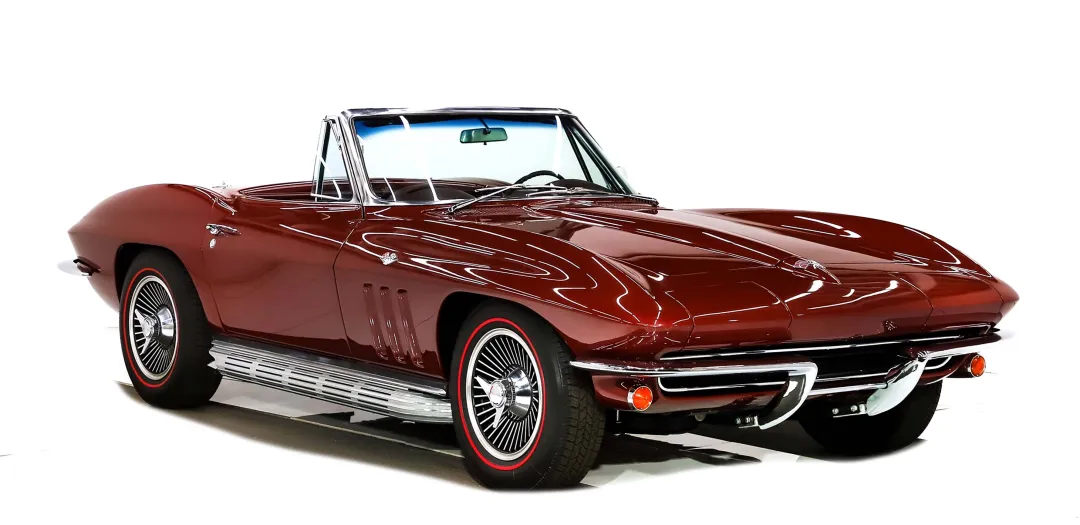
American car companies followed the same playbook. Sporty or pricey cars got discs first. Crosley tried them on the Hotshot back in 1949, didn't work out. Studebaker Avanti got front discs in 1963. But through the whole 1960s, only two American cars had four-wheel disc brakes. Both Chevys. The '65 Corvette came with them standard. The '69 Camaro had them as an incredibly rare option.
C2 Corvette Started It
Second-gen Corvette was a huge jump. Went from being a cruiser like the Thunderbird to an actual performance machine. Bill Mitchell and Larry Shinoda designed it and it looked amazing. That split rear window on the '63 is legendary. Real upgrades were under the body though.
Engine and driver got pushed back compared to the first Corvette, which balanced everything better and made it way more stable when things got fast. Power went up too. Small-block V8, the L79 with 327 cubic inches cranking 350 horses. Best 327 you could get with a hydraulic cam back then.
Mid-cycle refresh in 1965 added even more grunt. Big-block 396 putting out 425 horsepower, 60 mph in 5.7 seconds. That kind of power needs serious brakes, so Chevy made four-wheel discs standard. Funny part is the same company that designed them also did Ford's front discs around the same time.
'69 Camaro Was Second
Camaro's disc brake story starts with racing. Debuted in '67 to fight the Mustang and immediately jumped into Trans-Am to battle Ford on the track. Trans-Am still exists somehow, Pirelli sponsors it now. Rules said race cars had to be pretty much stock, using street car parts. Automakers figured out they could sell a handful of street cars with race parts to make them "factory equipment" under homologation, which made them legal for racing.
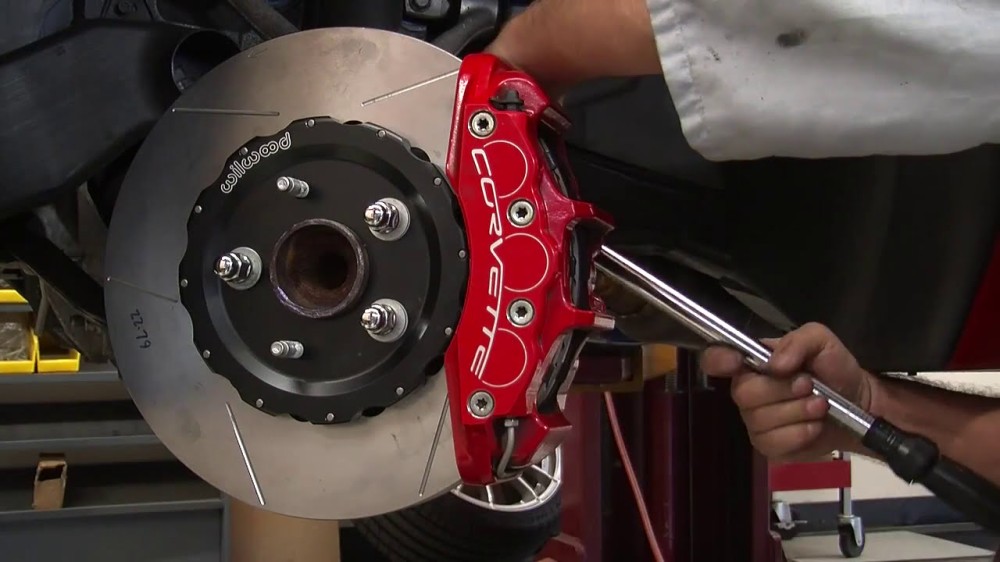
To put four-wheel discs on Trans-Am Camaros, Chevy had to sell them on street Camaros first. RPO JL8, the four-wheel disc option code. Cost $500 then, around $4,500 now. More than the whole Z/28 package that year.
Money wasn't the holdup. Parts were. Supplier issues meant only about 200 '69 Camaros left the factory with four-wheel discs. Those 200 cars are worth six figures at auction now. Whether the Camaro ever comes back is still up in the air.