
Honda Odyssey and Bugatti Veyron Shared This Wild Michelin Tire Tech
by AutoExpert | 27 February, 2026
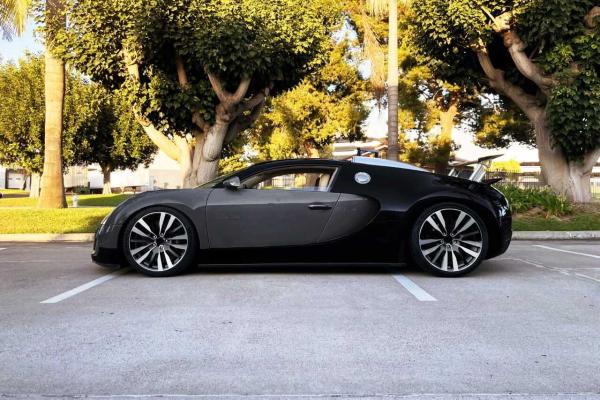
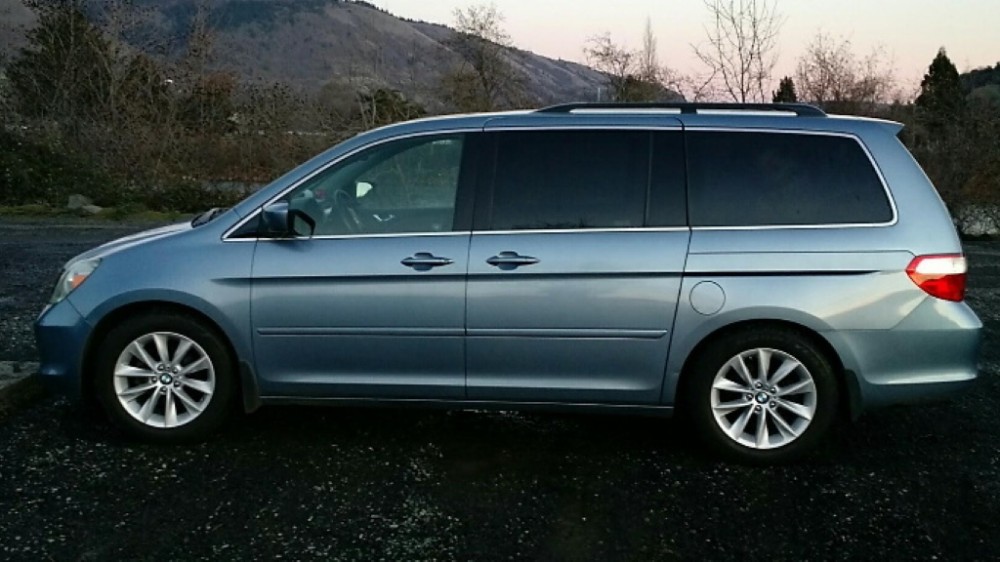
Grown-up responsibility hits everyone eventually. Maybe you traded your Miata for a minivan at some point. Nobody would blame you for groaning while installing child seats. But if your family mobile was a 2005 to 2007 Honda Odyssey Touring, at least you could drive around knowing your car shared tire tech with a 1,001-horsepower Bugatti Veyron.
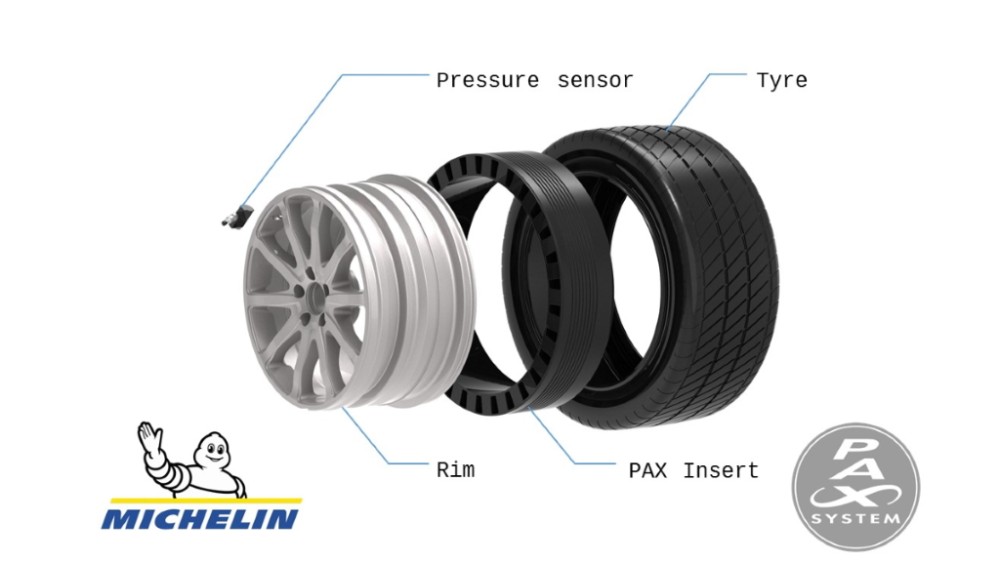
The Odyssey didn't use the exact same specially designed Michelin tires that let the Veyron hit 249 mph. But both used Michelin's then-new PAX run-flat tire technology. Unique wheel design, tire pressure monitoring system, specific tire made to replace conventional run-flats. All of that helped the Veyron achieve record speeds and contributed to better safety and comfort in the Odyssey. Probably fun to think about while stuck in traffic listening to the SpongeBob theme for the 257th time in a row. Michelin gave up on the tech shortly after, but there was a brief moment when a Honda minivan and million-dollar Bugatti had something technical in common.
What Was PAX and Why'd They Both Use It?
Michelin started working on PAX in 1997 but it didn't hit the U.S. until 2005. Not unusual for different cars to have the same standard tire, but pretty rare for wildly different vehicles to share similar wheel systems.
PAX wasn't just a fancy tire and wasn't only designed for performance. It was a wheel/tire combo designed to replace traditional run-flats for both performance and safety. Typical run-flat works because of its stiff sidewall and can drive around 50 miles at up to 50 mph without air. Problem is these tires ride harsh. So Michelin designed a thick polyurethane or rubber ring depending on the application that attached to the rim and supported the tire without air. Also increased airless driving distance to 125 miles. That safety/comfort balance is how Michelin marketed PAX for a family minivan while the strength and performance made it great for the Bugatti's extreme speeds.
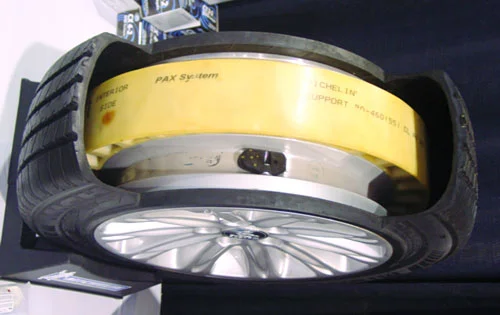
Only a handful of cars came with PAX when it debuted. Veyron was Michelin's headliner and the PAX system is an example of extreme tire tech used to set land speed records, but it also came with the Rolls-Royce Phantom, Audi A8, and European-market Renault Scenic. PAX was optional on a few others like the Acura RL and Nissan Quest. But since PAX required specific wheels and tires, it wasn't the best option. In 2008 Honda spokesperson Chris Martin told the New York Times the Odyssey Touring's suspension was specifically tuned for PAX, so switching to or from conventional wheels and tires could mess with handling.
Why'd It Die So Fast?
PAX seemed great on paper. Run-flat capability without the typical harshness. Unfortunately it had drawbacks, mainly cost. Those specific tires weren't cheap, hard to find, and required special machines to replace them that few if any independent tire shops had. Meant dealership swaps, which were pricey. Buying a relatively affordable family car like the Honda Odyssey means you probably aren't willing to pay top dollar for fancy tire bills. Veyron owners have deeper pockets but also bigger bills. New set of PAX tires for the Bugatti costs $42,000 and replacements are recommended every 18 months.
In PAX's few short years, Michelin faced multiple class-action lawsuits from customers who felt misled about the system's cost, tire wear, and serviceability. Michelin denied the lawsuits played a role in PAX's death in 2007, said it was simply lack of customer demand versus high investment costs, but probably both.
Modern run-flats have gotten better too. Used to be hated by almost all car enthusiasts for overly stiff sidewalls but they've come a long way. Could still be some mid-2000s Odyssey and Veyron owners running around, both potentially complaining about their PAX tires. But that means there are still families of seven rolling in a minivan sharing Veyron tire technology. That's just cool.