The Free Car Lookup Tool That Can Instantly Tell You If a Listing Is Missing Something Important
by AutoExpert | 30 June, 2026
A lot of used-car shopping happens in a weird little fog.
You are scrolling listings, comparing photos, trying to decide whether two cars that look basically identical are actually identical, and meanwhile every seller is using the same handful of vague phrases. “Loaded.” “Well equipped.” “Great options.” “Like new.” Which usually means absolutely nothing until you know how the car was actually built in the first place.
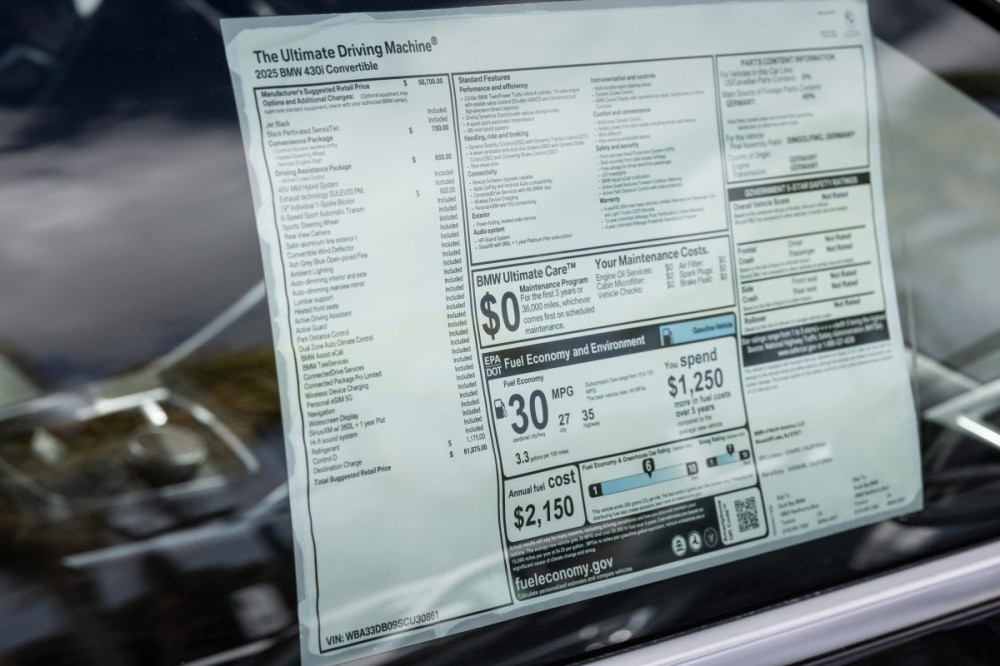
That is where the window sticker becomes useful.
Not glamorous useful. Not exciting useful. Just genuinely, money-savingly useful.
Because a window sticker tells you what the car actually was when it left the factory. Not what the seller says it has now. Not what a dealer added later. Not what somebody thinks came with the trim. The real original setup. Base price, option packages, factory equipment, fuel economy, destination charge, safety information when available, the whole factual version of the car before years of listings and assumptions started muddying everything.
That is easy enough on a brand-new car, because the sticker is supposed to be there. On a used car, though, it gets more annoying. Sellers lose it. Dealers do not always post it. Private owners often have no idea where it went. And suddenly you are left trying to figure out whether the “premium package” in the ad is real, or whether somebody is just hoping you will not notice the difference.
That is why free window sticker lookup tools have become so useful for shoppers.
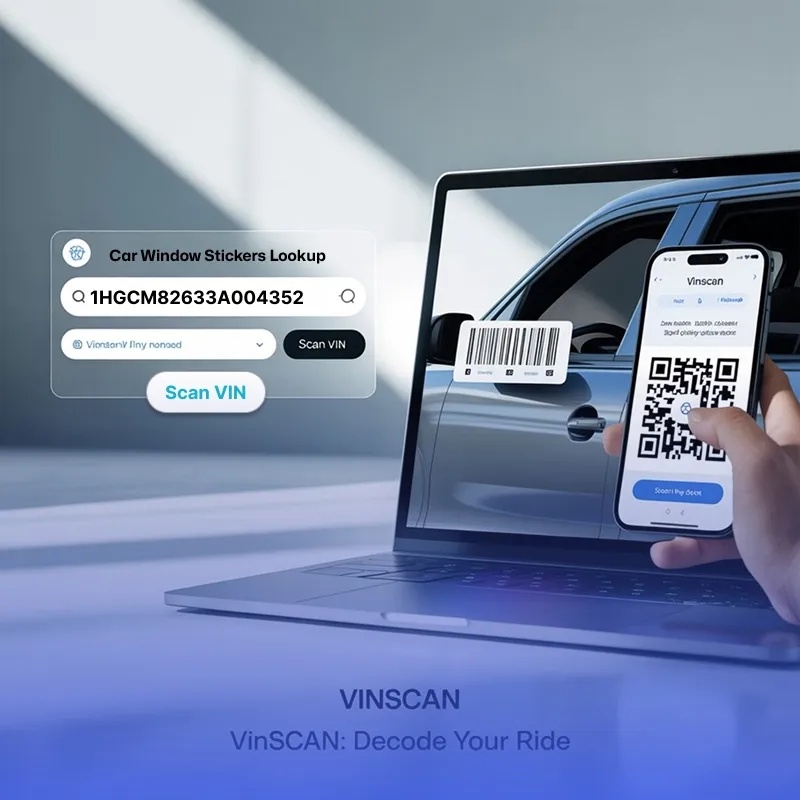
The basic idea is simple. You plug in the VIN, let the tool do its thing, and in some cases you can pull up the original sticker or a recreated version built from manufacturer data. It is one of the quickest ways to check whether the car actually came with the bigger screen, upgraded audio, driver-assistance package, towing package, special wheels, or whatever else the ad is trying to quietly take credit for.
And that matters more than it sounds.
Because two cars with the same year, color, and trim badge can still be very different cars in terms of equipment and original price. One may have every useful package. The other may be a much barer version wearing the same basic shape. If you are shopping online, especially across a bunch of listings, that difference can be surprisingly easy to miss until a sticker lookup makes it obvious.
That is part of why these tools are so handy. They cut through seller language fast.
Some are dead simple websites where you choose the make, type in the VIN, and see whether an original sticker is still available from the automaker. Some have mobile apps, which honestly makes a lot of sense if you are standing on a dealer lot or walking around a car in person. Scan the VIN, pull up the information, and suddenly you know more than the salesman who just said, “I’m pretty sure it has that package.” Browser extensions are useful too, especially if you do most of your shopping online and do not feel like copying and pasting VINs all night like it is a second job.
That is really the appeal of the better ones. Speed.
A good lookup tool takes something people used to treat as slightly annoying research and turns it into a one-minute fact check. That is exactly what you want when you are comparing cars at scale. Not because a window sticker tells you everything. It does not. But because it tells you one very specific thing really well: what the car originally was.
And that is worth knowing before you make assumptions about what it is now.
It is also worth saying what a window sticker does not do, because people love overestimating one good tool and then acting surprised later. A sticker is not a vehicle history report. It will not tell you about accidents, title branding, flood damage, open recalls, service neglect, weird smells, mystery vibrations, or whether the last owner treated curbs like personal enemies. It does not replace a pre-purchase inspection, a history report, or basic skepticism. It just fills in a very important part of the picture.
The factory part.
That means it works best when you use it the way smart shoppers should use everything: as one piece of evidence, not the whole case.
Still, it is one of the more helpful pieces. If a seller claims the car has a premium package and the sticker says otherwise, that tells you something. If a listing price feels too high and the sticker shows it was basically a stripped example from day one, that tells you something too. And if you are torn between two similar vehicles, the sticker can explain why one was priced higher when new and whether that higher spec is actually still worth chasing now.
In other words, it saves you from guessing.
Which is more than a lot of used-car listings manage to do.
And honestly, that is probably why free window sticker lookup tools keep becoming more popular. They are not flashy, but they are useful in exactly the right way. They help you verify factory options, compare vehicles more intelligently, and avoid relying on whatever half-accurate story the listing is telling. In a market where sellers routinely oversimplify, oversell, or just do not know what they have, that kind of clarity matters.
Especially before money gets involved.
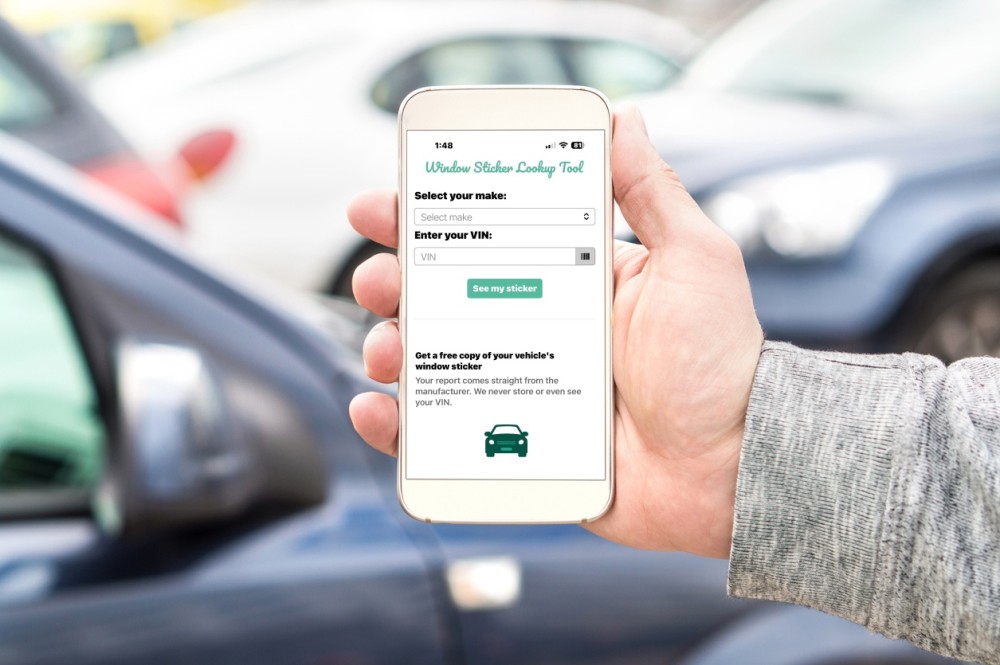
So if you are car shopping and you have the VIN, use it. Check the sticker. See how the car was actually built before you get emotionally attached to the ad copy.
Because “loaded” means nothing.
The window sticker usually does.