
An EV Road Trip Can Go Great. It Can Also Go Sideways Faster Than a Gas-Car Driver Expects

by AutoExpert | 6 July, 2026
A long road trip in a gas car is mostly about endurance.nA long road trip in an EV is about logistics.
That is the real difference, and it is a bigger one than a lot of people realize until they actually try it. In a regular gas car, you can be lazy and still get away with it. Forget to plan your fuel stop? Fine. There will be another one in ten minutes. Drive faster than you meant to? Annoying, but usually manageable. Change your route halfway through the day? No big deal.

An EV is less forgiving. Not because it is worse. Just because it asks more from you.
That is what people mean when they say EV road trip rules are different. They do not mean impossible. They do not even mean miserable, necessarily. They mean you cannot just wing it in the same casual, careless way most people wing long drives in gasoline cars. You need to think ahead. You need to care where the next charger is. You need to know what kind of connector your car uses. You need to pay attention to weather, terrain, speed, and backup plans in a way most gas-car drivers have never had to bother with.
That is a different mindset.
And the biggest mistake people make is assuming the EPA range number on the window sticker is the road-trip number. It is not. It is the number that gets you optimistic in your driveway and slightly offended three hours later. Real highway driving is harder on an EV than a lot of buyers expect, especially if you are moving at normal American freeway speed instead of laboratory speed. Throw in heat, cold, hills, headwinds, luggage, passengers, or a lead foot, and that nice official range figure can start shrinking fast enough to get your attention.
That is why experienced EV drivers do not plan road trips around the full claimed range.
They build in margin.
That margin is the difference between “smooth trip” and “we are suddenly having a very serious conversation in a Walmart parking lot.”
Speed matters more than people want it to. In a gas car, driving faster hurts efficiency, sure, but usually not enough to trigger a whole planning crisis. In an EV, faster highway speeds can chew through range in a way that actually changes where you stop and whether the next charger is comfortably reachable. That is one of the hardest adjustments for people coming from normal road-trip habits. Everyone wants to cruise at whatever speed feels natural and keep momentum up. In an EV, that instinct can cost you more than you think.
And then there is charging, which is where the trip either stays civilized or starts getting irritating.
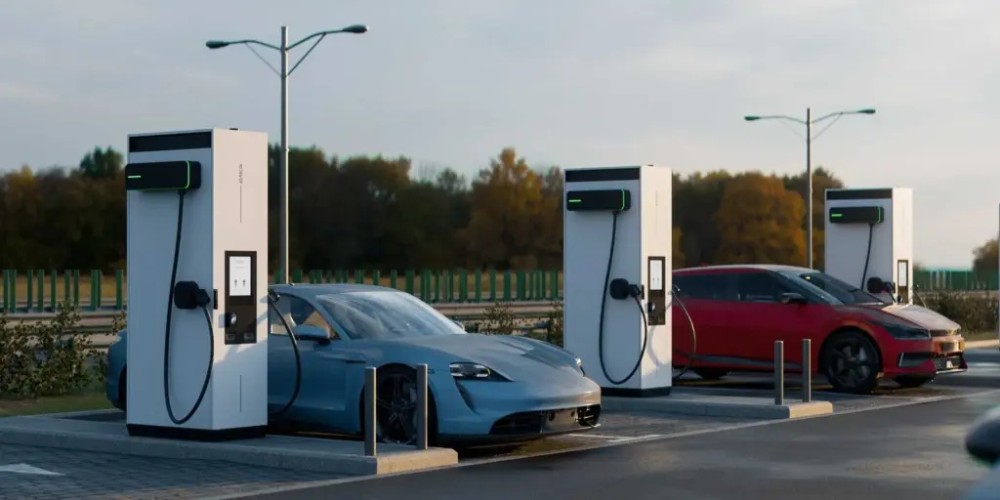
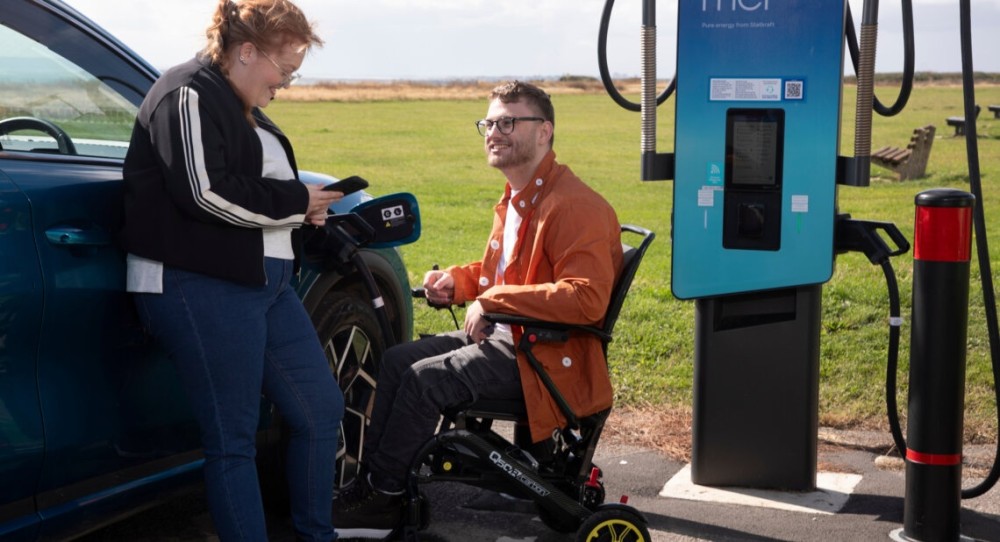
This is the part gas-car drivers tend to underestimate most. They assume chargers are basically like gas stations, just a little less common. They are not. Not yet. You cannot just assume every exit will have something useful, working, compatible, and fast. And on a road trip, “fast” matters a lot. A slow charger might be fine at home or overnight at a hotel. Mid-route, when you are trying to actually get somewhere, it becomes the kind of thing that can ruin your whole mood.
So the route has to be planned. Not loosely. Actually planned.
- Where are the chargers?
- Are they the right kind?
- Are they fast enough?
- What happens if one is full?
- What happens if one is broken?
- What is your backup?
That last part is important because a backup gas station is never really something people think about. A backup charger absolutely should be.
Hotel planning changes too. In a gas car, a hotel is just where you sleep. In an EV, a hotel with charging can feel like a strategic victory. Waking up with a full battery instead of having to begin the day by hunting down a charger is the kind of small joy that becomes very big once you have done it both ways.
Weather is another thing that suddenly matters more. Cold weather can punch range hard. Hot weather is not exactly gentle either. Then there is terrain. Mountains, grades, wind, long climbs, all of that matters. An EV road trip is less about “how far is it?” and more about “how far is it under these exact conditions?” That is a more serious question, and one people are often not used to asking.
None of this means EV road trips are bad. Plenty of them go beautifully. Plenty of owners love them. Some route-planning systems are genuinely excellent now, and some charging networks are far better than they used to be. But the trip only feels easy once you respect the planning part. If you go into it with gas-car habits and gas-car assumptions, the car is going to teach you a lesson you probably did not want that day.
That is really the point.
An EV road trip rewards preparation much more than a gas-car trip does. That is the rule. Not because EVs are fragile. Not because they cannot handle distance. But because the system around them is still less effortless than the gas-station world people have spent their whole lives taking for granted.
So yes, the rules are different.
- You need to plan your charging stops.
- You need to leave range cushion.
- You need to drive with at least some discipline.
- You need to know your connector situation.
- You need to care about weather and terrain more than you used to.
That sounds more serious because it is.
But the upside is that once you accept that, EV road trips stop feeling stressful and start feeling manageable. Not casual in quite the same way, but manageable. The people who struggle most are usually not the ones driving the wrong EV. They are the ones trying to road-trip it like a gasoline car and then acting surprised when the trip refuses to cooperate.
That is the adjustment. Not whether the EV can do the trip. Whether the driver is ready to do it the EV way.