Dealer Lots Are Overflowing With Unsold Cars Right Now — Here's Exactly How to Use That to Your Advantage

by AutoExpert | 12 June, 2026
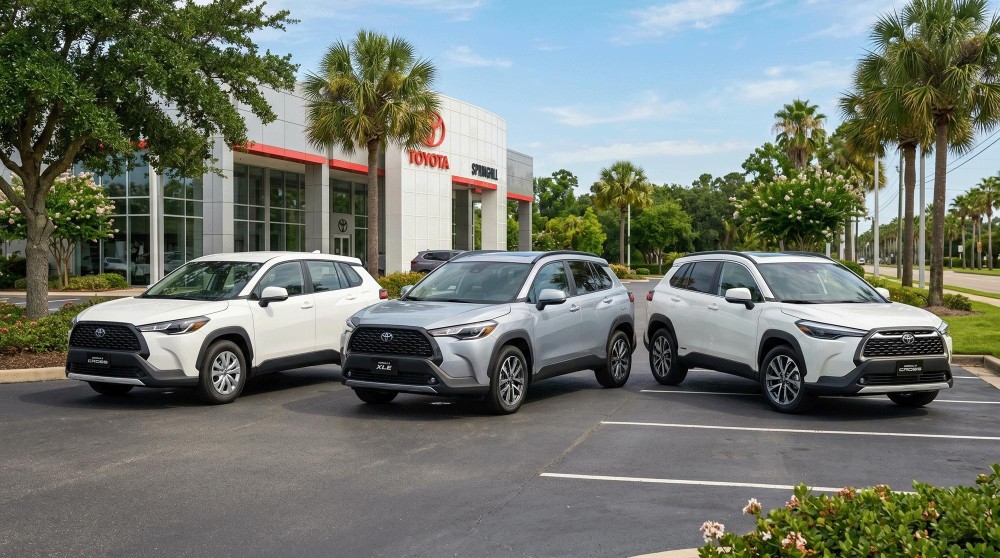
Walk onto a new car lot right now and something feels different. The inventory is back. Like, really back. Rows of vehicles, lots of the same trim in four different colors, salespeople who seem genuinely happy you showed up. That's not an accident, and if you're even remotely thinking about buying a car in the next few months, you should understand what's happening and why it matters.
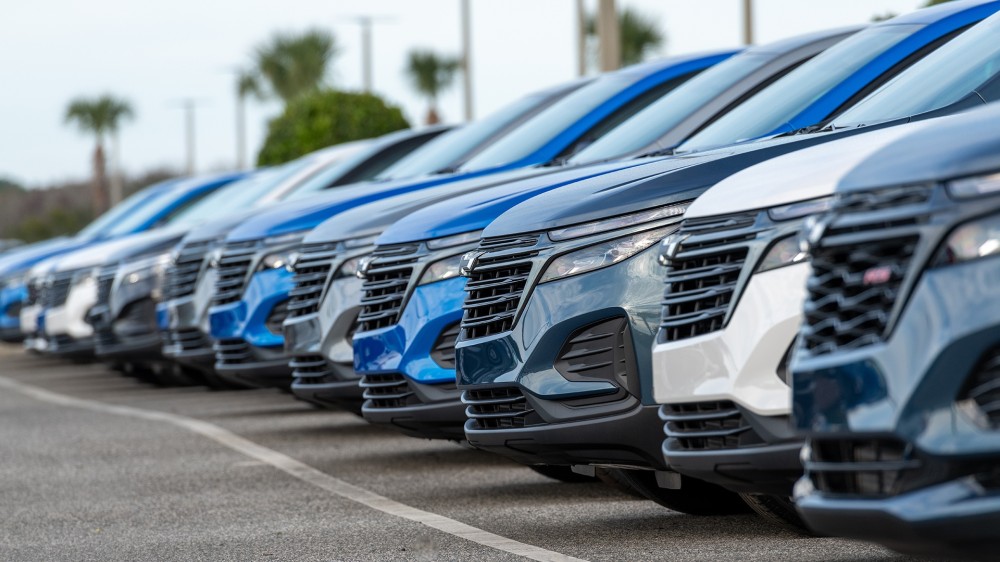
Unsold new car inventory just hit its highest level in several years. Days' supply — the industry's way of measuring how long it would take to sell all current stock at the current rate — is sitting well above the historical average of 60 days at many dealerships. Some brands are pushing 80 to 100 days on specific models. That's a lot of cars just sitting there, racking up floor plan interest that the dealer has to pay whether the cars sell or not.
Why Inventory Is Stacking Up
Part of it is the tariff story. With new car prices up roughly 10% over the past year, a lot of buyers have gotten skittish. Some are waiting to see what happens with trade policy. Some are priced out entirely. Some looked at the new sticker and went straight to the used lot instead. Whatever the reason, demand softened right as supply recovered from the pandemic chip shortage years, and now there's a mismatch.
Weirdly, this comes right after a few years when dealers had nearly zero leverage. During the chip shortage, some dealers were adding $5,000 to $10,000 "market adjustments" on top of MSRP and people were paying it because there was nothing else available. That era is over. Completely over.
What This Actually Means at the Negotiating Table
High inventory means dealers are motivated. Not desperate — they're not giving cars away — but motivated. Here's how to work with that.
First, don't go in on a Saturday afternoon when the lot is busy and the salesperson has four other people to talk to. Go on a Tuesday or Wednesday. Go late in the month when managers are trying to hit quota numbers. Timing sounds like a cliche but it genuinely shifts the dynamic.
Second, ask how long a specific vehicle has been on the lot. Most dealership websites actually show this if you look for it, or you can ask directly. A car that's been sitting 90 days is a much better negotiating position than one that arrived last week. The dealer has been paying interest on that car for three months. They want it gone.
Third, don't mention your trade-in at the start. Negotiate the purchase price of the new car first, then introduce the trade. Dealers can make deals look better than they are by adjusting one number while sliding another. Keep the conversations separate until you have a number you're happy with on the new car.
Fourth, get pre-approved at your bank or credit union before you go. The dealer's financing desk is a profit center. Knowing your rate going in means you can compare honestly and not get talked into something that costs you more over five years.

Which Brands Have the Most Inventory
It varies. Some European brands and certain EV manufacturers have been sitting on more units than usual. Domestic brands with high-demand trucks and SUVs are in a different position. Check your local dealer's live inventory online before you go — most now post real-time counts. If a model has 30 versions sitting on the lot, you're in good shape. If there's one, you're not.
The short version: this is the best negotiating environment for car buyers in at least two or three years. Don't walk in and accept the first number.