Car Subscription Features Are Back in 2026 — And This Time They're Harder to Spot
by AutoExpert | 15 June, 2026
BMW tried it first at scale, and the internet went nuclear. In 2022, BMW began offering heated seats as a subscription service in some markets: a feature physically installed in the car, hardware already paid for, requiring a monthly fee to activate. The backlash was immediate and loud enough that BMW reversed course within a year.
Then everyone else quietly started doing the same thing.
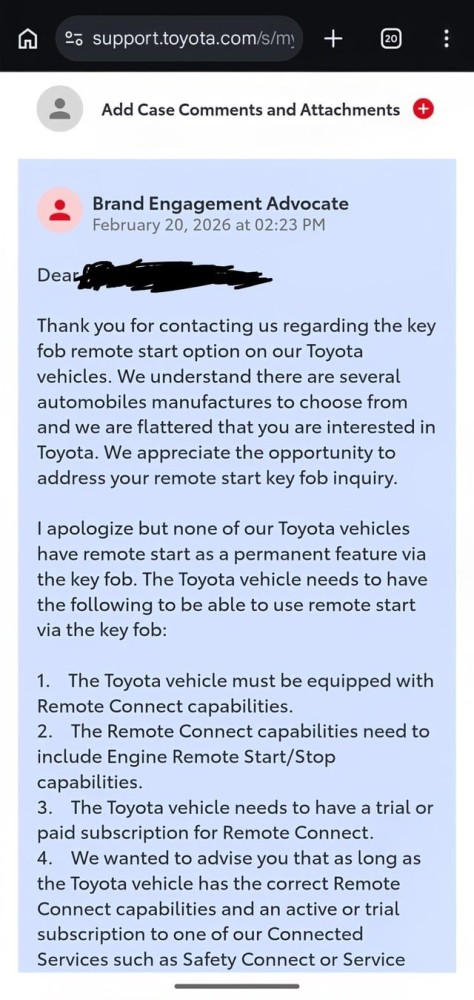
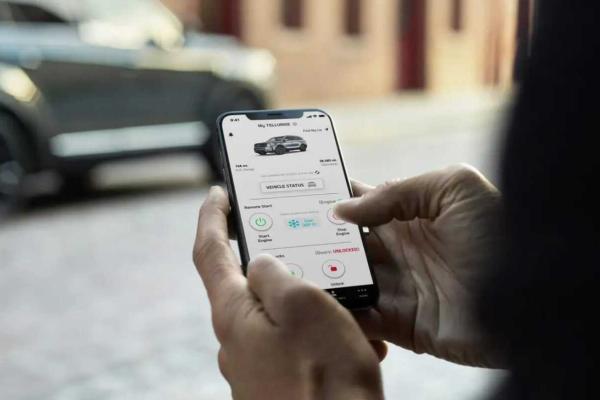
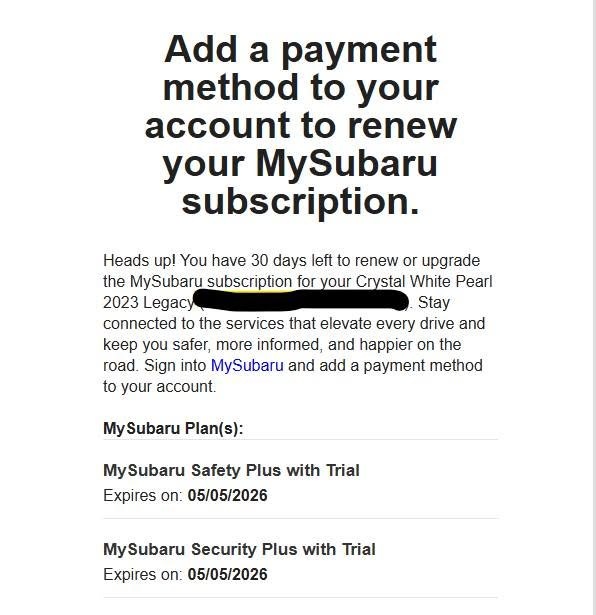
Toyota charges $8 a month for remote start after a free trial period ends — sometimes three years, sometimes ten, depending on the model. Remote start. A button you press from your couch to warm up your car. Subaru bundles remote start into a subscription tier. GM had announced plans for 50 subscription services by 2026, and they've been rolling them out methodically with far less fanfare than BMW's heated seat moment.
The difference between now and 2022 isn't that automakers abandoned subscriptions. It's that they got better at introducing them gradually and burying them in the terms of connected service packages.
How Car Subscription Features Actually Work
Modern vehicles are essentially software platforms with wheels. Features that used to be mechanical — heated seats, for example — are now controlled by the car's software. The physical heating element is in your seat regardless of what trim level you bought. But the software that activates it can be locked or unlocked remotely, which means the feature can be sold after the car leaves the factory.
This is the part that makes people's heads spin when they first understand it. You may have physically paid for hardware that you cannot use without an ongoing subscription. The car you own contains things you don't have permission to access.
For features delivered via software updates — new driver-assistance modes, enhanced navigation, upgraded audio processing — the subscription model is more defensible. The manufacturer is delivering something ongoing. But for features that are physically installed and simply disabled by software, the argument gets much thinner.
What Lawmakers Are Starting to Do About It
New York and New Jersey have both passed or proposed legislation targeting subscriptions for hardware features. The core argument: if a buyer paid for the car, and the hardware is in the car, the seller cannot reasonably charge an ongoing fee to access what was already sold.
The FTC has also started looking at disclosure practices — specifically whether buyers are adequately informed at the point of sale that certain features require ongoing payment. Many aren't. The trial period expires, the feature stops working, and the owner has to dig through a connected services menu to figure out why their remote start suddenly doesn't work.
What to Do Before You Buy
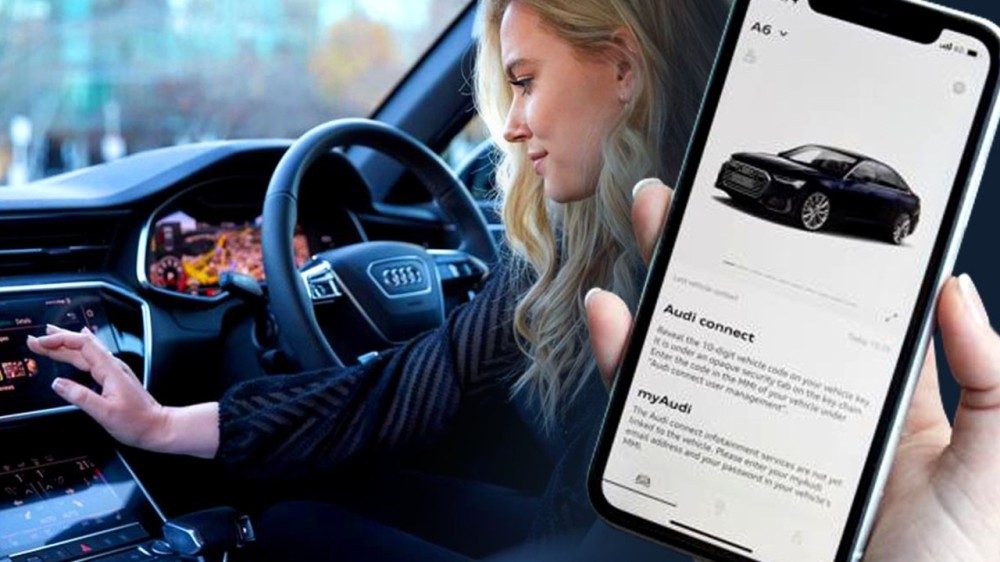
When shopping for a new car in 2026, ask the salesperson directly: which features on this vehicle require an ongoing subscription? Get the answer in writing as part of the deal documentation. Check the manufacturer's connected services page for your specific model to see what's free forever, what has a trial, and what requires a monthly fee.
For features with subscription gates — remote start especially — some third-party options exist. Aftermarket remote start systems can be installed for $150 to $400 and work independently of the manufacturer's app ecosystem.
The car companies aren't wrong that software-defined vehicles enable genuinely new kinds of features and updates. But there's a meaningful difference between paying for a new capability and paying to unlock something that was already installed in the car you already bought. That distinction matters, and it's worth knowing exactly which side of it you're on before you sign.