Still Roasting After You Crank the A/C? You’re Probably Making These Common Cooling Mistakes

by AutoExpert | 12 June, 2026
It’s a familiar June ritual: fling the door open, slide into a cabin that feels like a pizza oven, spin the temperature knob to Arctic Blast, and floor the fan. Except that routine is the automotive version of sprinting in place. Your A/C ends up wrestling a furnace of its own making, burning extra fuel and sometimes taking longer to feel comfortable.
A better approach starts before you even touch the climate controls. The air trapped inside a sun-baked car can hit 140 °F. If you immediately seal the doors and hammer the A/C, the system starts by chilling that same super-heated air. Crack both front windows and let the fan push the worst of the heat out for half a minute; you’ll feel the temperature tumble without a drop of refrigerant wasted. When the blast of oven air fades, roll the glass back up and let the compressor show what it can do.
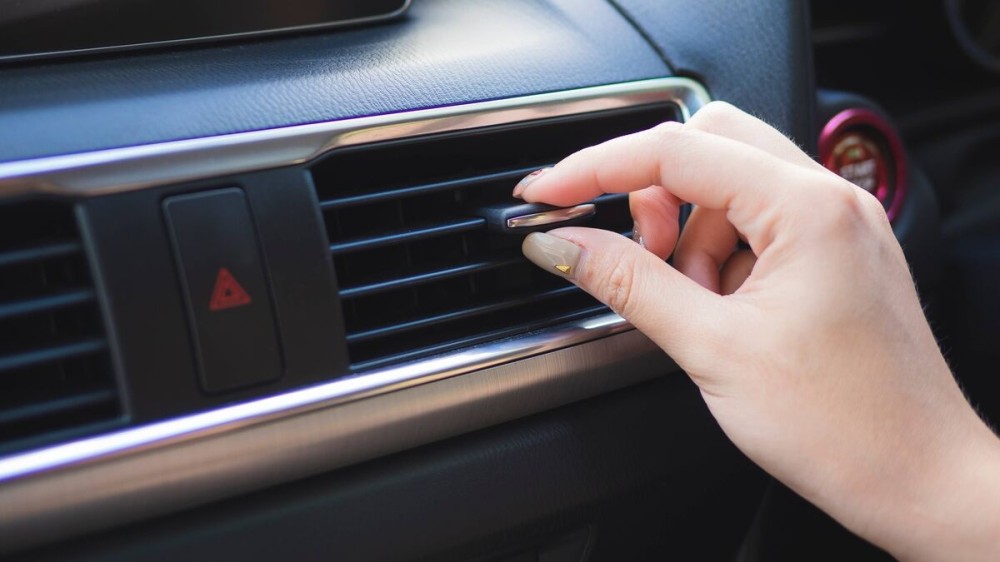
Next comes the temperature dial. Many drivers treat it like a thermostat slider in a hotel room: colder setting equals faster relief, right? Not exactly. Most modern automotive A/C units cool intake air to the low-40s no matter where the dial sits, then rely on a heater blend door to warm that air to your chosen number. Dialing up to 70 °F doesn’t make the system lazy; it forces it to chill the air, then reheat it—an energy double-whammy that saps both fuel and compressor life. The smartest play is to keep the temperature on its lowest setting while modulating comfort with fan speed.
That little recirculation button—the one that looks like a looping arrow inside a car outline—isn’t decoration. Engaged on a scorching day, it recycles the air you’ve already cooled instead of dragging in fresh 95-degree outside air. The cabin drops from sticky to civilized far faster, and the compressor doesn’t have to run at full tilt quite as long. Just remember to toggle recirc off every twenty minutes or so; otherwise humidity builds, the glass fogs, and everyone wonders why the air suddenly feels stale.
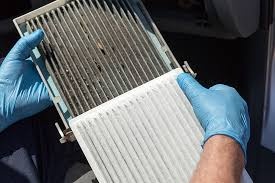
All of this works only if the A/C can breathe. Buried behind the glove box is a cabin air filter catching pollen, dust, and shed upholstery fibers. After twelve or fifteen thousand miles it clogs like a lint trap and throttles airflow, turning a once-gusty fan into a tepid wheeze. Swap the filter once a year—it’s a ten-minute DIY job costing less than a dinner delivery—and you’ll restore half the performance most owners think they lost forever.
If you’ve flushed the hot air, used recirc wisely, cleaned the filter, and the vents still feel merely cool instead of cold, the refrigerant charge may be low. Small losses through seals are normal over a few summers. A professional recharge runs roughly a hundred bucks and often makes an A/C system feel factory-fresh. Planning a road trip? Do that check before the suitcases are loaded and the interstate heat shimmer sets in.
A/C comfort isn’t luck; it’s physics and a tiny bit of habit change. Vent the oven first, keep the dial on full cold, recycle the chilly air, and give the system clean lungs to breathe through. Your compressor will thank you, and so will every passenger who climbs in expecting the usual blast-furnace greeting.