AMG’s Hidden “Emotion Start” Trick Makes Your Mercedes Sound Meaner at Startup
by AutoExpert | 24 February, 2026
Part of why people connect with cars is the feeling when they get behind the wheel. Research from Transport for London found there's real psychology behind our connection to cars. Personalizing a car turns it into an extension of yourself. It's a status symbol, a symbol of freedom, a ticket to the open road. There's also nostalgia from those long family road trips as a kid.
AMG, the high-performance division of Mercedes-Benz, gets it. The letters in AMG represent the founders: A for Hans Werner Aufrecht, M for Erhard Melcher, G for Großaspach, Aufrecht's hometown. Keeping that emotional bond front and center, AMG built a neat trick into its cars that pays homage to the throaty exhaust sound you'd expect from a finely tuned engine with a serious exhaust setup.
Pull back and hold one of the steering wheel paddles while hitting the start button. The Emotion Start feature kicks in, opening the muffler valves and revving the engine 200 to 300 rpms higher than normal. The rumble from all four exhaust pipes will make any gearhead's heart happy. Either paddle works, despite social media videos claiming you need both paddles plus the brake pedal. Not true.
Getting Emotional Is Fine
The feature's available on all 2019 and newer AMG models, which are different from standard Mercedes-Benz cars like the C-Class and GLA. Once the car finishes starting up and drops back to normal idle though, the muffler valves close and the rumble mostly disappears. Car & Driver tested it in 2019 and confirmed it boosted RPMs from the standard 1,800 to around 2,100.
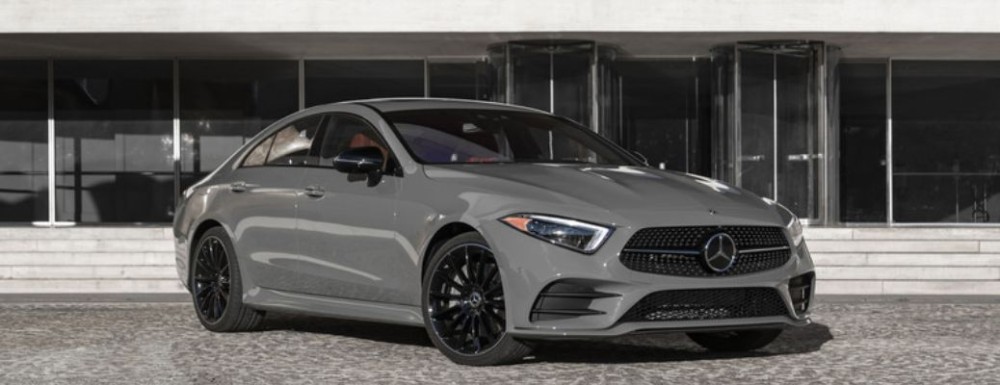
AMG's active exhaust systems come in two types. The Sport Exhaust system uses vanes inside the main chamber to adjust sound from large round pipes through the Dynamic Select system. The Performance Exhaust System lets drivers fine-tune sound through rectangular pipes by pressing a button or via the pre-set drive program. Reduced backpressure boosts engine performance while efficient exhaust venting increases horsepower and torque, improving acceleration and responsiveness.
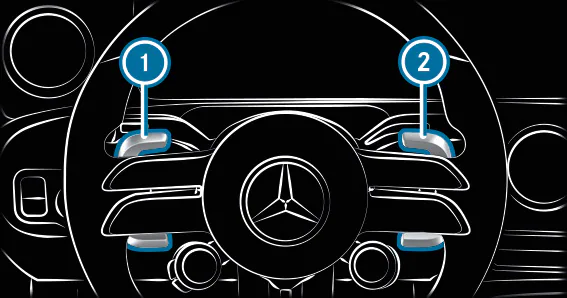
To keep the sound going after it drops back to normal, there's basically a loophole that works better when the engine's cold. Put the car in accessory mode, then either press the exhaust button or change the drive mode. Start the car and the exhaust roars again, though without the extra RPMs from Emotion Start. In the U.S., the left paddle shifter is easier to use since the start/stop button sits on the right side of the steering wheel.