
America’s Cars Are Older Than Ever, and Honestly, That Makes Perfect Sense
by AutoExpert | 15 April, 2026
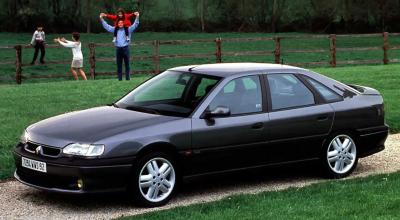
The average car on American roads is now almost 13 years old, which sounds surprising until you think about what a new car costs now.
Then it sounds completely logical.
A lot of people are holding onto their cars longer not because they are sentimental, but because replacing one has become expensive in a way that feels hard to justify. When new cars regularly sit above $45,000 and even used ones still feel overpriced, fixing the car already in the driveway starts to look like the sane option.
That shift is showing up everywhere. The American car fleet is older than it has ever been, and it is not hard to see why. A repair bill that once felt painful now gets compared to a five-year loan and suddenly does not look quite so offensive.
It also helps that cars really are lasting longer than they used to. A well-kept vehicle from 2013 or 2014 is not automatically old in the way people used to think of old cars. If it has been maintained properly, there is a good chance it still has plenty of life left in it. Drivers know that now. They are less interested in replacing a car just because the calendar says it is getting up there.
Sedans especially tend to stick around. They are usually cheaper to run, cheaper to fix, and owned by people who are perfectly happy driving something paid off for as long as it keeps doing its job. Trucks are a little different. Truck buyers are more likely to upgrade for capability, features, or just because trucks have become their own kind of lifestyle purchase. But for regular passenger cars, the logic is simple: if it still runs well, why start over?
That does not mean older cars can just be ignored, though. Once a vehicle starts getting into double digits, maintenance stops being something to squeeze in eventually and becomes the thing that decides whether the car stays dependable or starts turning on you.
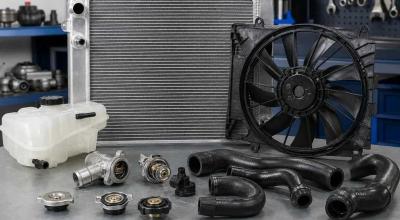
Fluids matter more than people think. So do belts, hoses, bushings, and all the boring rubber parts nobody notices until one of them fails at the worst possible time. Older cars are usually not brought down by one dramatic engine explosion. They get worn down by small neglected things that pile up until the owner suddenly has a much bigger problem than expected.
That is really the trick to keeping an older car worth it. Pay attention early, not late. Fix the little stuff before it becomes the expensive stuff. Stay ahead of rust if the car lives somewhere that salts the roads. And do not talk yourself into ignoring weird noises just because the car still basically drives fine.
Because the upside is real. Keeping an older car on the road is still usually much cheaper than replacing it, even if it needs occasional work. And for a lot of people, that is the smartest financial move available right now.
So yes, America’s cars are getting older. But that is not necessarily a bad sign. In a lot of cases, it just means people are finally getting every last bit of value out of something they already paid for.