The 70/30 Motorcycle Brake Rule Is Not a Magic Formula, and Thinking It Is Can Get You Hurt
by AutoExpert | 6 July, 2026
A lot of motorcycle advice gets passed around in a way that makes it sound simpler than it really is. The 70/30 brake rule is a perfect example.
People hear it and think, okay, easy, seventy percent front brake, thirty percent rear brake, done. Like there is some neat little ratio you can plug into every stop and suddenly you are braking like a pro. But that is not really what the rule is trying to say. It is more like a rough reminder of what happens to a motorcycle the second you start slowing it down.
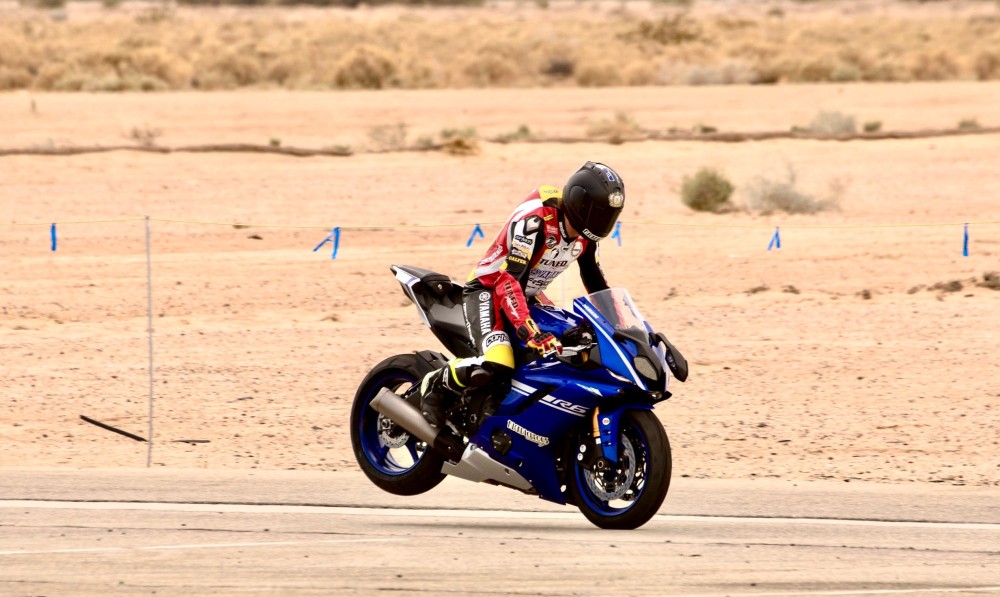
And what happens is this: the bike throws its weight forward.
That is the whole story, really.
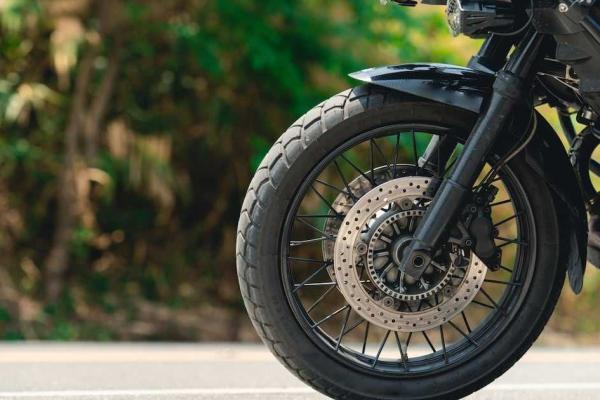
The moment you get on the brakes, the front tire starts taking more of the load. The fork compresses, the nose dips, and the front tire suddenly has a lot more work to do. That is why the front brake does most of the stopping. Not because somebody picked a nice round number and called it wisdom. Because the bike is physically loading the front tire and asking it to deal with the lion’s share of the job.
The rear brake still matters, though. A lot more than some riders like to admit.
There is always that crowd that acts like the rear brake is barely worth touching, as if real riders only use the front and the rear is just there for decoration. That is nonsense. The rear brake helps settle the bike. It helps keep things composed. It can make the whole stop feel smoother and less abrupt. It is not the star, but it absolutely has a role.
The catch is that the harder you brake, the lighter the rear gets.
That is why the rear brake can go from useful to sketchy pretty quickly if you are heavy-footed with it. Once the weight shifts forward, the rear tire does not have the same grip it had a second earlier. Push too hard on the rear brake and it can lock. Then things get ugly fast, especially if panic is involved.
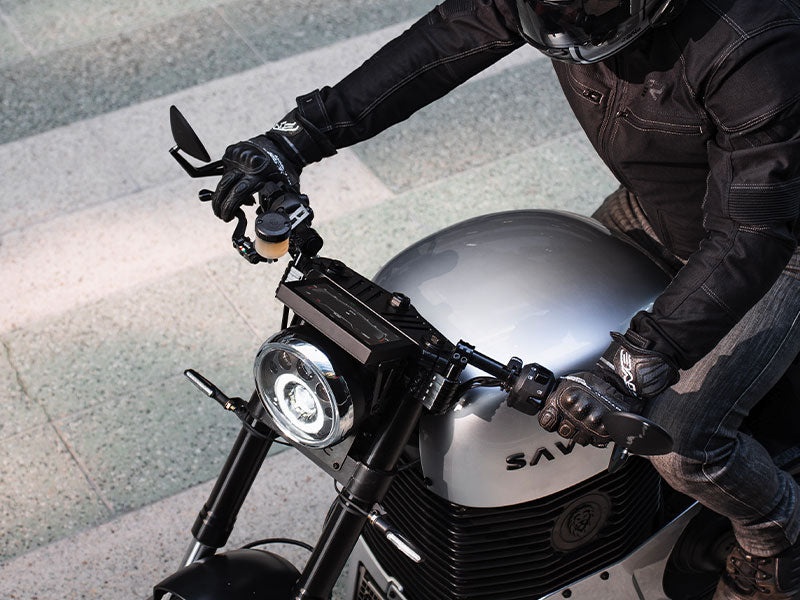
So the 70/30 idea is really just a way of saying: use both brakes, but understand that the front is doing most of the real work.
That is all.
It is not a strict recipe. It is not something you should be trying to calculate in your head every time you stop at a light. It is a basic way of getting riders to understand that good braking on a motorcycle is not about stomping the rear and hoping for the best, and it is not about being scared of the front brake either.
That fear of the front brake is a big one, especially with newer riders.
A lot of people are taught, directly or indirectly, to treat the front brake like a trap. They worry about washing out, going over the bars, or instantly crashing if they use it too much. So they underuse it, lean too hard on the rear, and end up with much longer stopping distances than they realize. Then the first time something jumps out in front of them, they do what panic tells them to do instead of what practice taught them to do.
That is usually where trouble starts.
Good motorcycle braking is not harsh. It is progressive. You do not just snatch a handful of front brake and hope the bike sorts itself out. You squeeze it in. You load the tire. You let the front settle and then build pressure. Same with the rear. You feed it in with some control, not like you are trying to crush something under your boot.
That smoothness is the difference between “hard braking” and “bad braking.”
And every bike is different, which is why the 70/30 rule is only a starting point anyway. A sportbike, a cruiser, an ADV bike, a loaded touring bike, something with a passenger, something with modern ABS, something without it, none of those are going to feel exactly the same when you get serious on the brakes. Road conditions matter too. Clean dry pavement is one thing. Rain, gravel, painted lines, dirt, cold tires, all of that changes the conversation.
That is why riders need seat time, not just slogans.
You have to learn your bike. You have to know how the front responds when you start adding pressure. You have to know how easy it is to lock the rear. You have to know what the chassis feels like when everything is working properly, because that is what gives you something to rely on when a car cuts across your lane or traffic suddenly stops and your brain has half a second to choose between panic and muscle memory.
And muscle memory is built in parking lots, not emergencies.
That is the unglamorous truth behind all of this. The best braking skill is usually built doing boring practice in open space, over and over, until the bike’s reactions stop surprising you. Straight-line stops. Smooth front application. Light rear support. Repetition until your hands and foot stop treating braking like a guess.
So what does the 70/30 motorcycle brake rule actually mean?
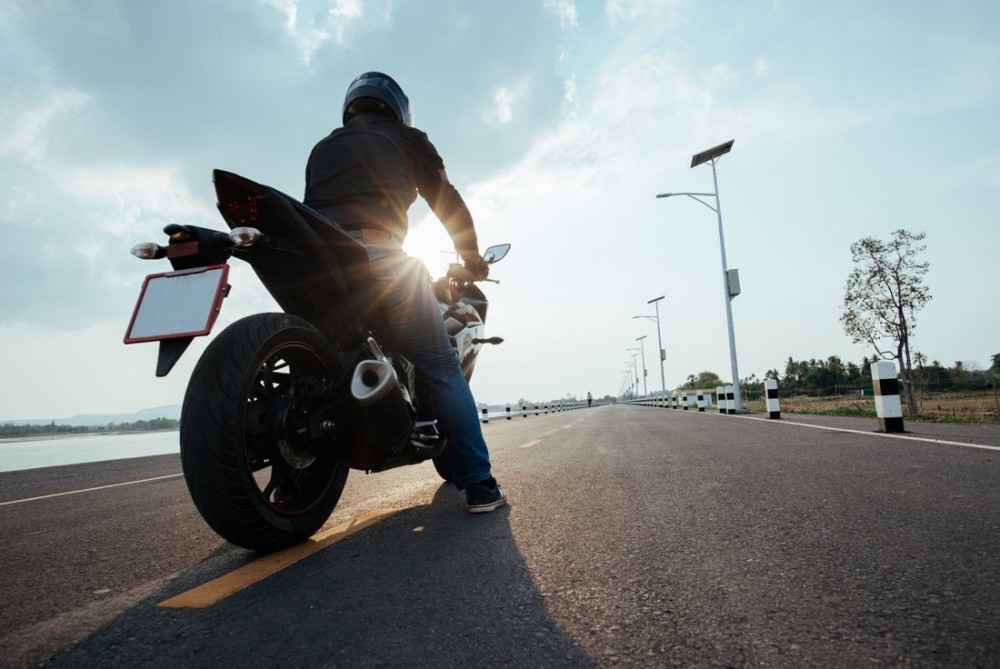
It means that in normal upright braking, most of the stopping power comes from the front because that is where the weight goes, while the rear brake still helps stabilize the bike and should not be ignored. That is the clean explanation.
The real-world explanation is even simpler: trust the front more than beginners usually do, respect the rear more than show-offs usually do, and practice enough that neither one becomes a panic move.
Because the number is not the important part.
What matters is whether you know how to stop the bike properly when it suddenly matters more than anything else.