5 Car Features Regulations Killed, And Why Enthusiasts Still Pay Big Money
by AutoExpert | 20 February, 2026
Cars keep changing and not everyone's thrilled about it. Automakers used to build whatever they wanted. Now there are rules for everything. Emissions, noise, safety, design, all of it. The EPA says today's cars put out 99% less pollution than 1970s cars, which is great for the planet but killed off a lot of cool stuff.
Since 1966, the NHTSA has cranked out 73 Federal Motor Vehicle Safety Standards covering basically every part of how a car gets built. Those rules are why pop-up headlights and side-facing rear seats don't exist anymore.
A survey from 2022 found 28% of car lovers want cars like the Lamborghini Diablo Strosek or Porsche 959 most. Neither was ever sold here because they didn't meet U.S. safety rules. Enthusiasts clearly miss the old features. And those features can make a car worth a lot more money now.
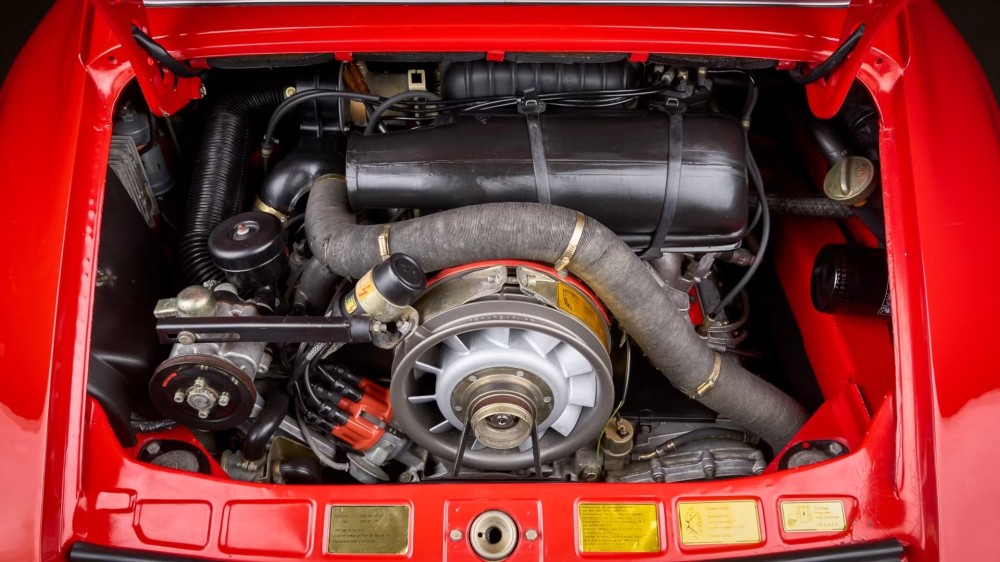
Air-Cooled Engines
Talk to anyone who knows old Porsche 911s and you'll hear them gripe about the 1998 996 ditching the air-cooled engine after 35 years. The 996 is widely considered the worst 911 generation partly because of that switch. Air-cooled 993s sell for way more than water-cooled 996s even though they're older.
Hagerty's numbers show 993 Turbo values jumped from around $165,700 to $189,000, about 14% up. The 996 Turbo dropped 3.5% and averages just $54,500. Sure, the 996 also had those ugly egg-shaped headlights and catastrophic IMS bearing failures, but people genuinely love air-cooled engines. Simpler, lighter, easier to work on, smoother running. As Brian Cooley from CNET on Cars put it, "We shall not see their kind again, at least not in new car showrooms."
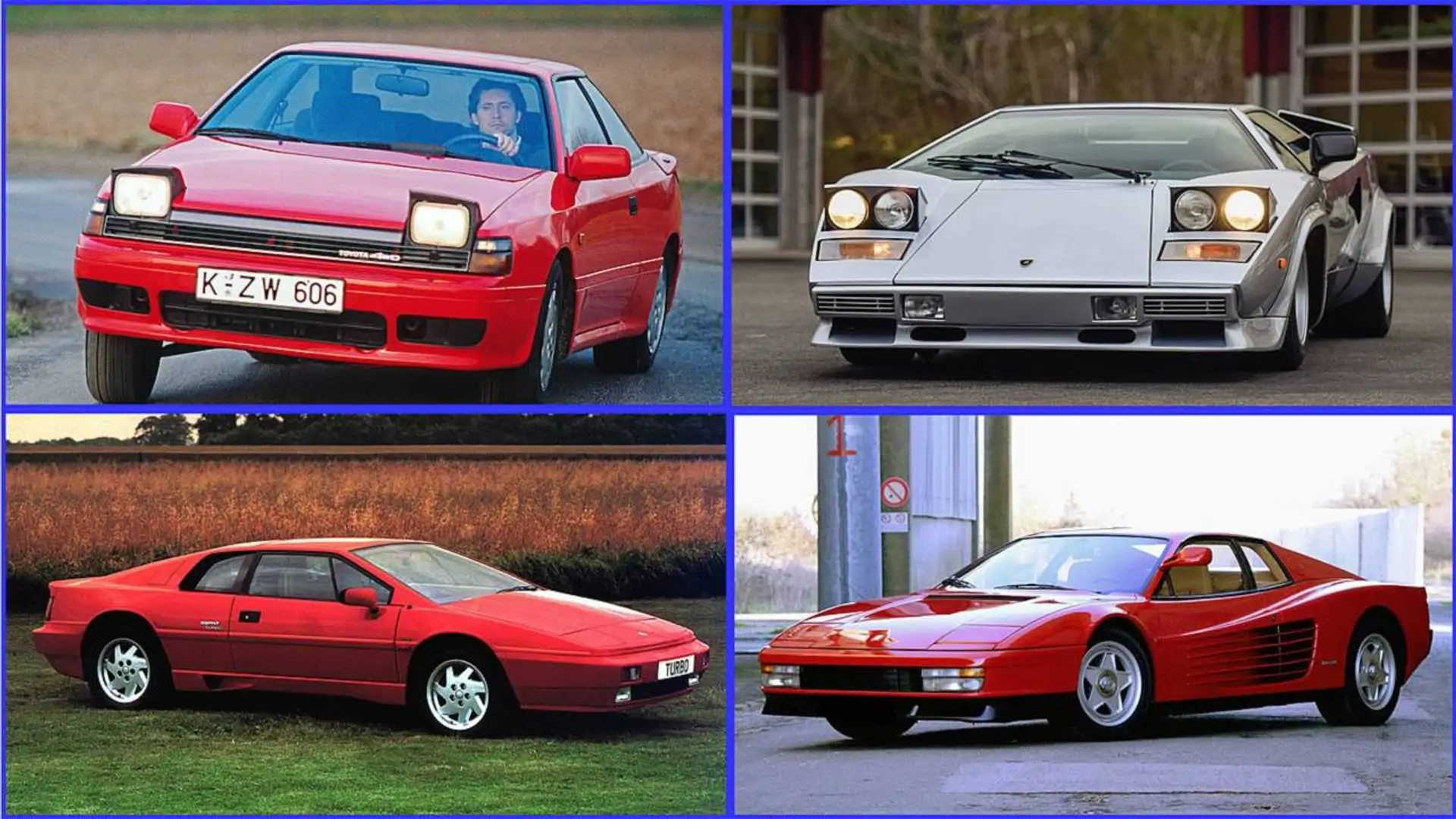
Pop-Up Headlights
James Pumphrey from Donut Media summed it up perfectly: "Pop-up headlights are like a design icon that were weird. They didn't really make a lot of sense. They actually came from a restriction or a limitation, and I think they're like a perfect representation of everything that I love, and I think a lot of you guys love, about cars."
They were cool, nostalgic, dramatic. Tough to pull that off in modern cars. Pop-ups died in 2004 when Chevrolet gave up on them, making the Corvette C5 the last car ever to have them. Can't put them on new cars anymore because of pedestrian safety laws. They stick out and are too sharp.
Honda NSX is the perfect example. Early NA1 models had pop-ups, later NA2 models didn't. Enthusiasts love the NA1 partly for those headlights. Some people actually converted NA2s back to pop-ups. Early Lamborghini Diablos from around 1990 to 1998 had pop-ups designed by Marcello Gandini. Later ones from 1999 to 2001 switched to fixed headlights. For a lot of people, the pop-up version is the real Diablo.
Manual Transmissions
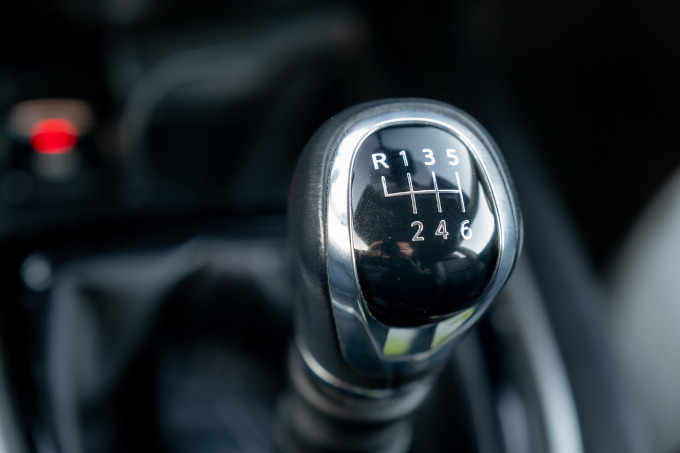
Stick shifts are barely hanging on. Motor1 said only 1.3% of new cars sold in the U.S. in 2023 had a manual. Tiny bump from less than 1% in 2021, but nothing like the 1980s when over a third of cars were manuals. By 2025, fewer than 30 cars even offered a manual option.
Modern automatics work better than manuals in most everyday driving. But for enthusiasts, having a manual changes everything. The prices show it. High-end stuff like a manual Lamborghini Murciélago can go for double what an automatic costs. A 2015 Subaru WRX with a manual runs about 21% more than an automatic. Even cheaper enthusiast cars like the Mazda Miata cost more with a stick. Mostly applies to enthusiast cars versus regular cars, but it shows what a manual's worth to the right buyer.
Naturally Aspirated Engines
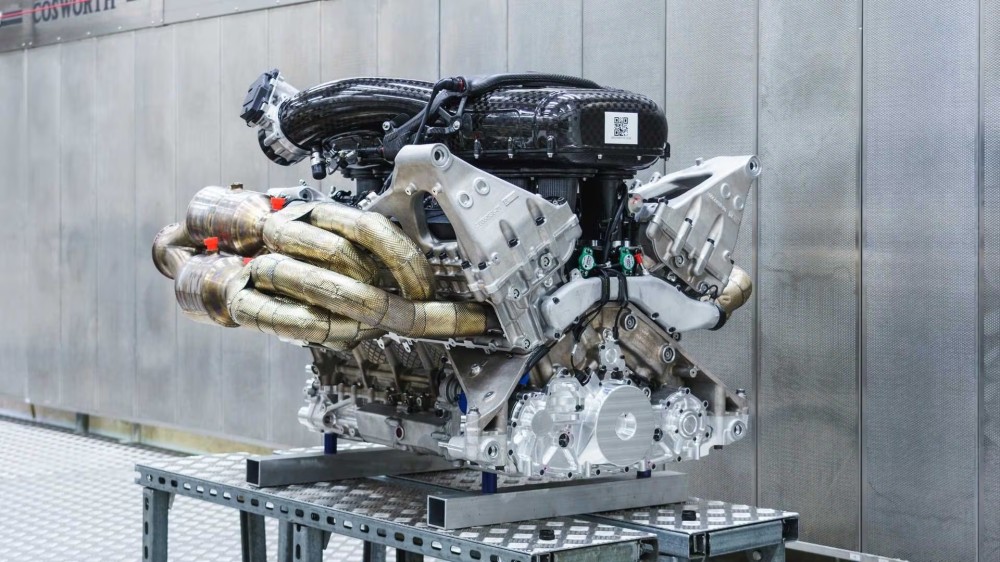
N/A engines mostly vanished because of emissions and efficiency rules getting stricter. Lot of people aren't happy about that. You can still get a big naturally aspirated engine in 2026 but usually only in expensive stuff. Ford Mustang GT and its Coyote V8, the new Corvette Z06's N/A V8, Ferrari 12Cilindri N/A V12.
People love N/A engines for the sound, smooth power delivery, mechanical simplicity, instant throttle response. Market backs that up. Hagerty says the naturally aspirated Ferrari 458 Italia held its value or went up about 20% from 2021 to 2023. The newer, pricier twin-turbo 488 GTB saw less demand and even lost value. Beyond how they feel to drive, turbos can mess with reliability by pushing the engine harder and cranking up operating temps.
Carburetors
Carbs beat fuel injection in some ways. Simpler, totally mechanical, cheaper to build, easy to put together, way easier to fix with basic tools. Modern fuel injection brings a bunch of electronics and not everyone wants that. Some of the priciest cars ever made run on carbs.
The 1960s Lamborghini Miura with triple-barrel Weber carbs regularly sells for $1.7 to $4.5 million. Ferrari 250 GTO from 1962/64 also uses Weber carbs. Two most expensive Ferraris ever sold were 250 GTOs, $52 million and $70 million. Shelby Cobra 427 from 1965/67 runs Holley carbs and goes for $1.2 to $3.3 million.
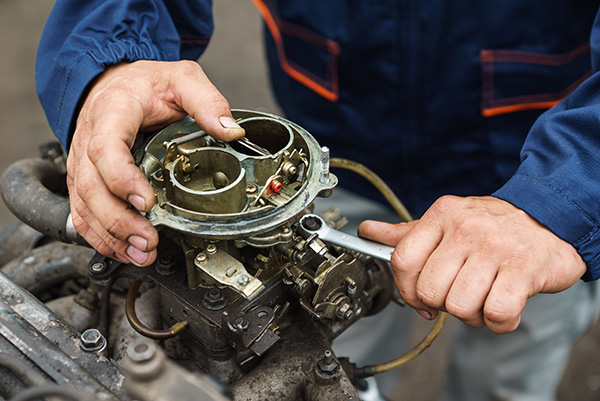
Like everything else on this list, carbs got killed by emissions rules. The 1980s were when they started disappearing for good. Carbs represent a completely different time in car history. That nostalgia and legacy is why some of these cars pull millions at auction.