
1955 Le Mans Disaster: The Crash That Killed 83 Spectators and Changed Racing Forever
by AutoExpert | 16 February, 2026
Race car drivers know what they're signing up for. But the people watching from the stands? They're just there for a good time.
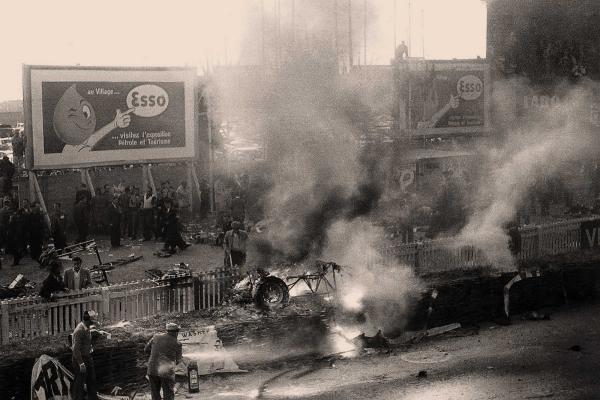
June 11, 1955 at Le Mans was a bloodbath. A crash killed 83 people in the crowd and driver Pierre Levegh. Almost 180 more got hurt. It shook everyone. Racing couldn't stay the same after something like that.
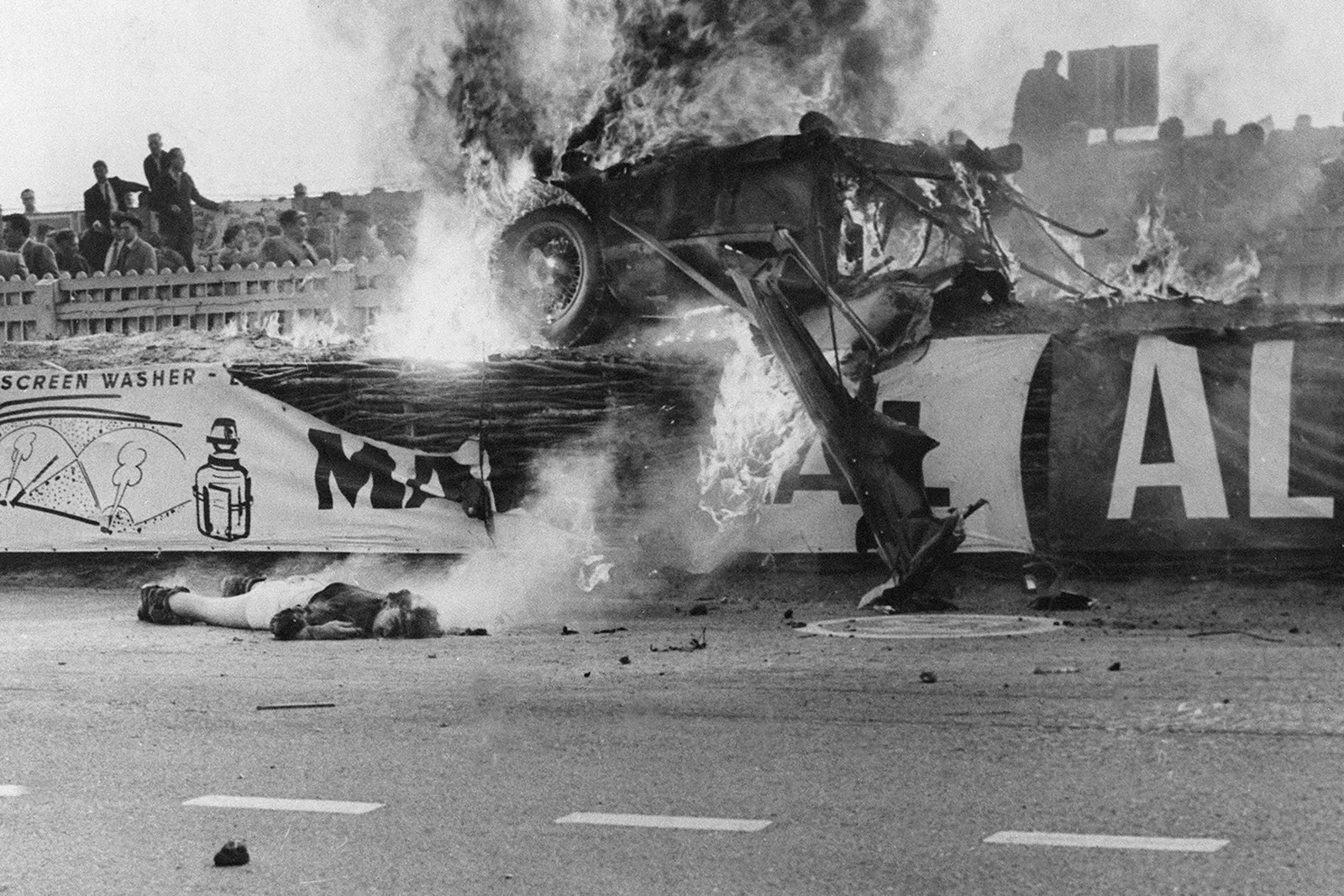
All the big teams were there. Jaguar, Mercedes, top drivers. Everyone going full throttle on a track that was basically built for going fast and nothing else. Nobody was really thinking about what could go wrong. Then everything went wrong.
What Went Down
Mike Hawthorn in a Jaguar suddenly swung over to get into the pits. The Austin-Healey in front of him had to swerve hard. That put Pierre Levegh's Mercedes right in the worst possible spot. Levegh hit the Austin-Healey and his car went airborne, slammed into an embankment, and just came apart.
The Mercedes exploded. The engine flew off. The hood too. Metal everywhere, straight into the packed grandstands. People tried helping but it was total chaos. Way too many people hurt, way too fast.
The race kept going. The director thought stopping it would make things worse, like everyone would flood onto the track and get in the way of ambulances. Still gets debated whether that was smart or cold.
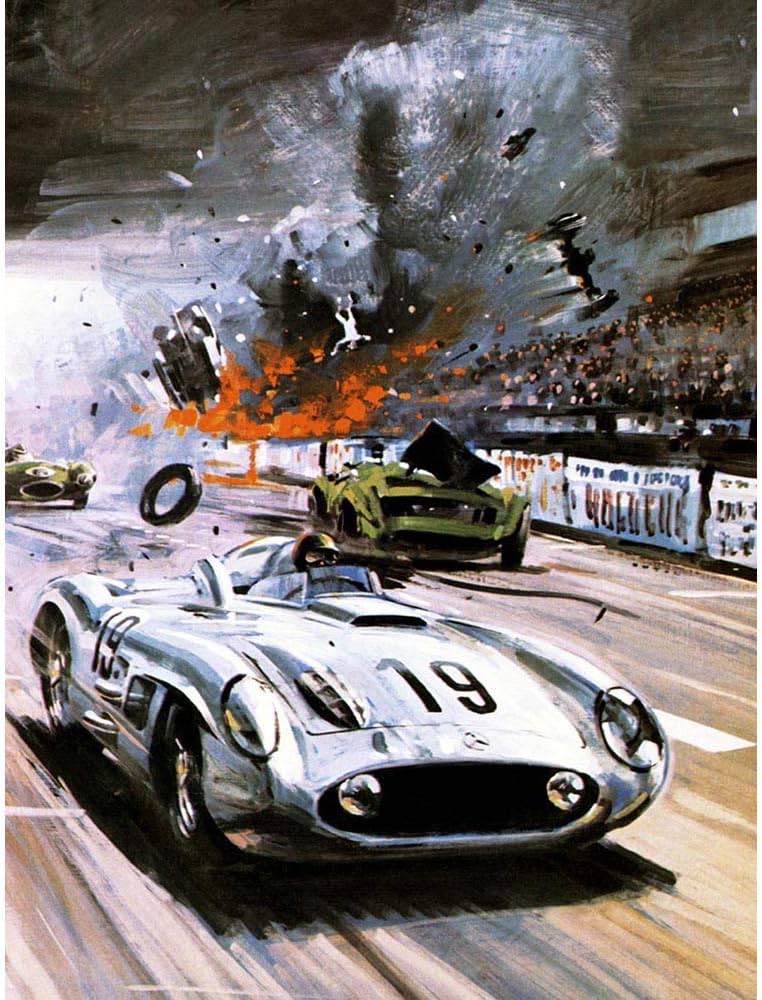
After
Mercedes quit mid-race even though they were ahead. Then they bailed on racing completely for like 30 years. Didn't come back till the late '80s.
The investigation said it wasn't really the drivers' fault or the teams' fault. Track design was garbage, safety was nonexistent. But people were pissed. Some countries banned racing outright. Tracks shut down. Winning at Le Mans felt weird for years because of what happened.
Making Things Better
They rebuilt big chunks of the Circuit de la Sarthe. Put in barriers, added lanes for slowing down, changed how the pit entrance worked. All focused on not letting it happen again.
Cars had to get safer too. Fire-resistant stuff became required. Stronger builds. They started actually managing where crowds could stand instead of just letting people pack in right next to the track.
Racing today is way safer. People still die sometimes, it's a dangerous sport. But nothing like 1955. That day forced everyone to take safety seriously.
Nobody likes talking about 1955. But pretending it didn't happen would be stupid. It's proof that no race is worth people dying over.