Winter Motor Oil Weights Explained: The Truth About Switching to 0W or 5W in Extreme Cold

by AutoExpert | 11 December, 2025
Most drivers never think about switching motor oil when the weather turns cold — and honestly, most of them don’t have to. Modern engines are built to handle everyday winter temps just fine. If you’re dealing with a regular American winter (icy mornings, maybe a snowstorm, nothing too dramatic), whatever oil your manual recommends will do the job.
But there are a few situations where changing oil weight actually matters.
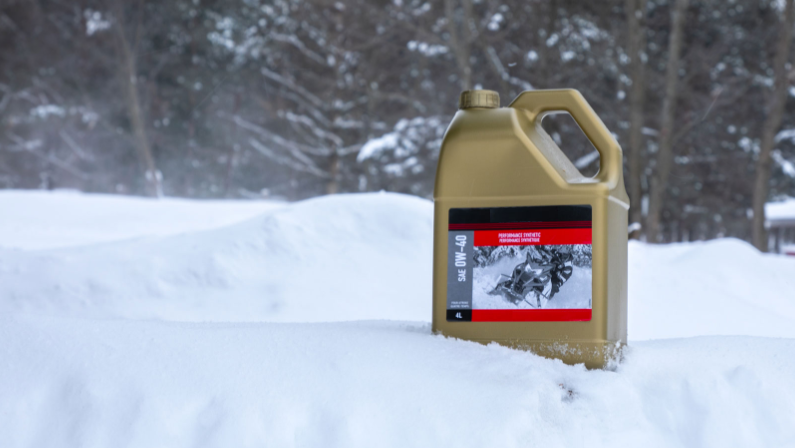
The big one?
People who go from warm, easy winters to the kind where the air hurts your face. If someone moves their car from, say, Texas to northern Minnesota or Montana, they may suddenly discover that their engine cranks like it’s swimming through molasses. That’s because cold thickens oil, and “thick oil + freezing morning” is not a great combo.
That’s where those numbers on the bottle come in. A lower “W” number — like 0W or 5W — simply means the oil flows better when it’s cold. Engines warm up faster, parts stay protected, and the car doesn’t sound like it’s begging for mercy on a cold start.
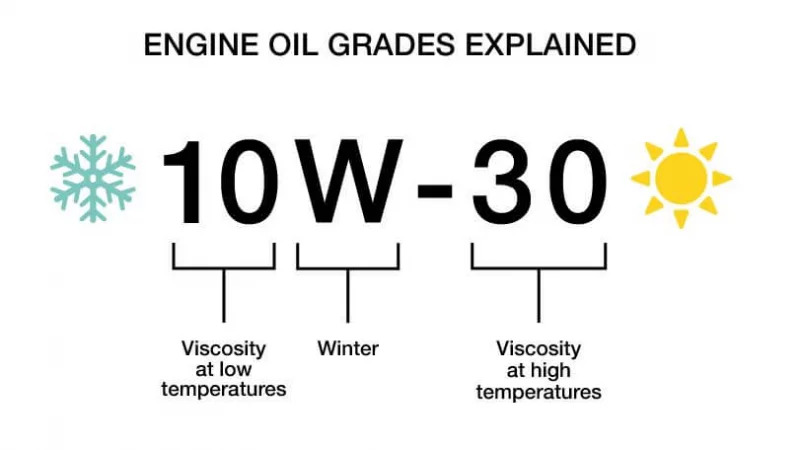
Small engines hate the cold even more. A lawnmower or snowblower running straight SAE 30 oil in subzero weather? That’s how you end up shopping for a new snowblower in February.
For the average driver, though, there’s no seasonal ritual here. No “winter blend,” no special oil swap, no drama. Just follow the book that came with the car and you’re fine.
But if the temperature is deep into negative territory — the kind of cold where the dog refuses to go outside — that’s when it’s worth checking with a mechanic about switching to a lighter oil for winter. Your engine will thank you.