Dry Rot on Tires: What It Looks Like, Why It Happens, and When to Replace
by AutoExpert | 18 February, 2026
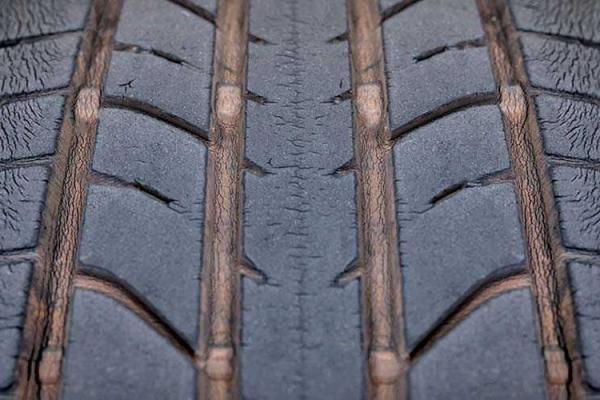
Dry rot on tires isn't really rot at all. It's the rubber breaking down chemically, showing up as cracks, fading, and weird lines on the sidewalls and treads. New tires are flexible and dark black. Give them some time in the heat, cold, sun, or just let them sit there doing nothing, and they start cracking up.
It usually happens to tires somewhere between six and 10 years old. That's when tire companies say they're too old to be safe anymore. Most people wear out their tires way before that, but checking the DOT date code before buying is worth doing. Tires can go bad before they're worn down.
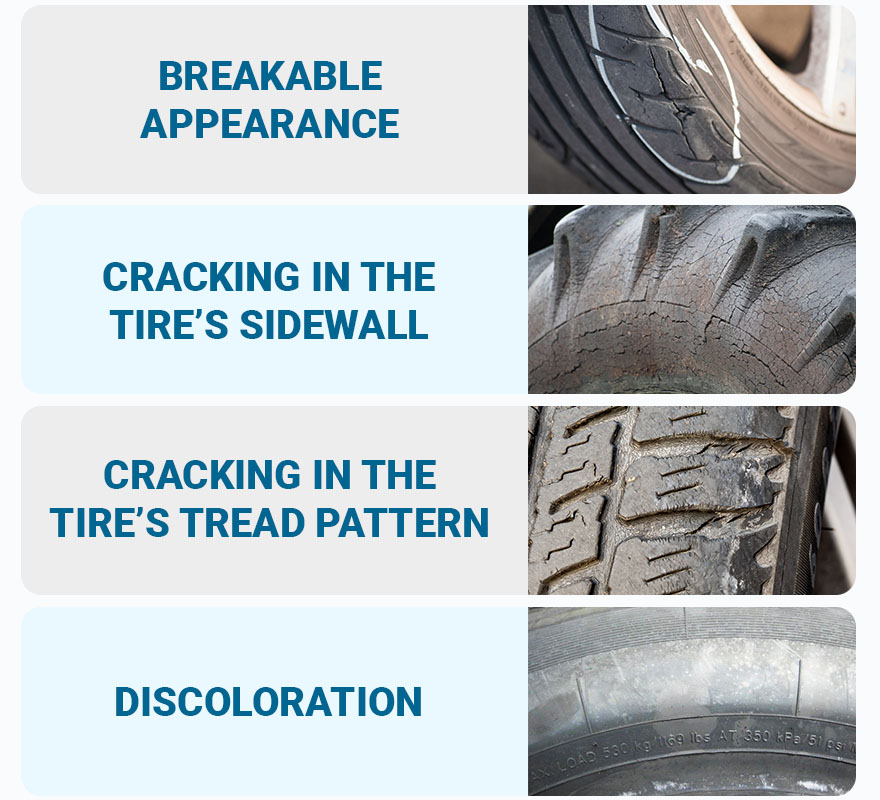
Spotting Dry Rot
Pretty easy to see if you look. Cracks on the sidewalls and treads. Rubber feels stiff and brittle. Color goes grayish. Air keeps leaking out. Won't hold proper pressure.
Sometimes it starts tiny, little cracks you can barely see. Tire still holds air fine at that stage. Leave it alone though and those cracks get bigger and spread. Eventually they go deep enough that the steel belts inside start coming apart and air starts escaping. Worst case scenario, the tire just explodes while driving.
Cracked sidewalls mean the tire isn't safe. Back in 2012, Edmunds found that 250 crashes involving loss of control and rollovers were caused by tires older than six years that had visible belt and tread separation. Tires are literally the only thing keeping a car connected to the road. Running dry rotted tires is a bad gamble even if they're under six years old or the tread looks okay.
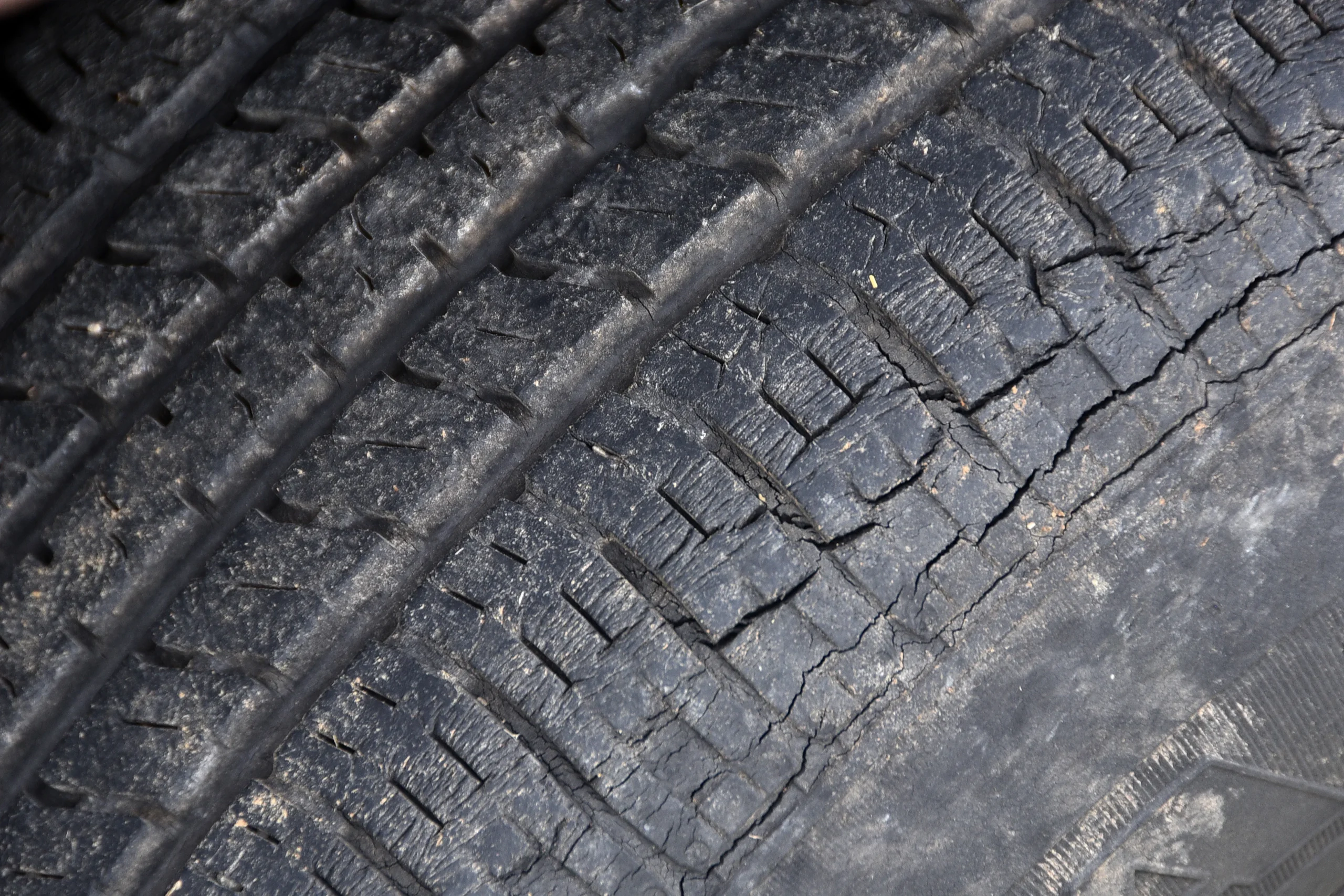
Stopping It
Every tire breaks down eventually from age, sun, and weather. Can't prevent it forever. But slowing it down is doable. Park in the shade when possible since direct sun speeds up the rubber breaking down. Tire covers help if you have them. Keep air pressure right and actually drive the car to keep the rubber flexible.
Cars driven daily don't usually deal with this because the tires get replaced before dry rot shows up. Long-term storage is where people screw up. Clean the tires first, wrap each one in an airtight bag, stack them somewhere cool and dry in the garage.
Cracks forming on the sidewalls or treads? Color fading or changing? Time for new tires. Same if the tread's worn down or there are bulges anywhere. Rotate tires every 5,000 miles or so and eyeball them for problems regularly.