Renault futuREady Plan Promises 36 New Models By 2030
by AutoExpert | 10 March, 2026
Renault Group has revealed a new long-term strategy called futuREady, and it is a pretty ambitious one. The plan promises dozens of new models, cheaper electric cars, and much faster development cycles as the company tries to stay competitive with Chinese brands and strengthen its position in Europe.
The strategy builds on the Renaulution plan launched in 2021, which helped the company recover after several difficult years. Now Renault wants to turn that recovery into steady growth through the rest of the decade.
Over the next 5 years, the group plans to launch 36 new models. 22 of those will be aimed at Europe, while 14 are intended for other global markets. Electrification will play a big role, with 16 of the European launches expected to be fully electric.
Even so, Renault is not ready to abandon hybrids. The company says hybrid powertrains will remain part of its European lineup beyond 2030, especially in places where charging infrastructure is still catching up. Each brand within the group will follow its own direction. The Renault brand itself will focus on strengthening its presence in Europe while expanding internationally, with a goal of more than two million sales a year by 2030.
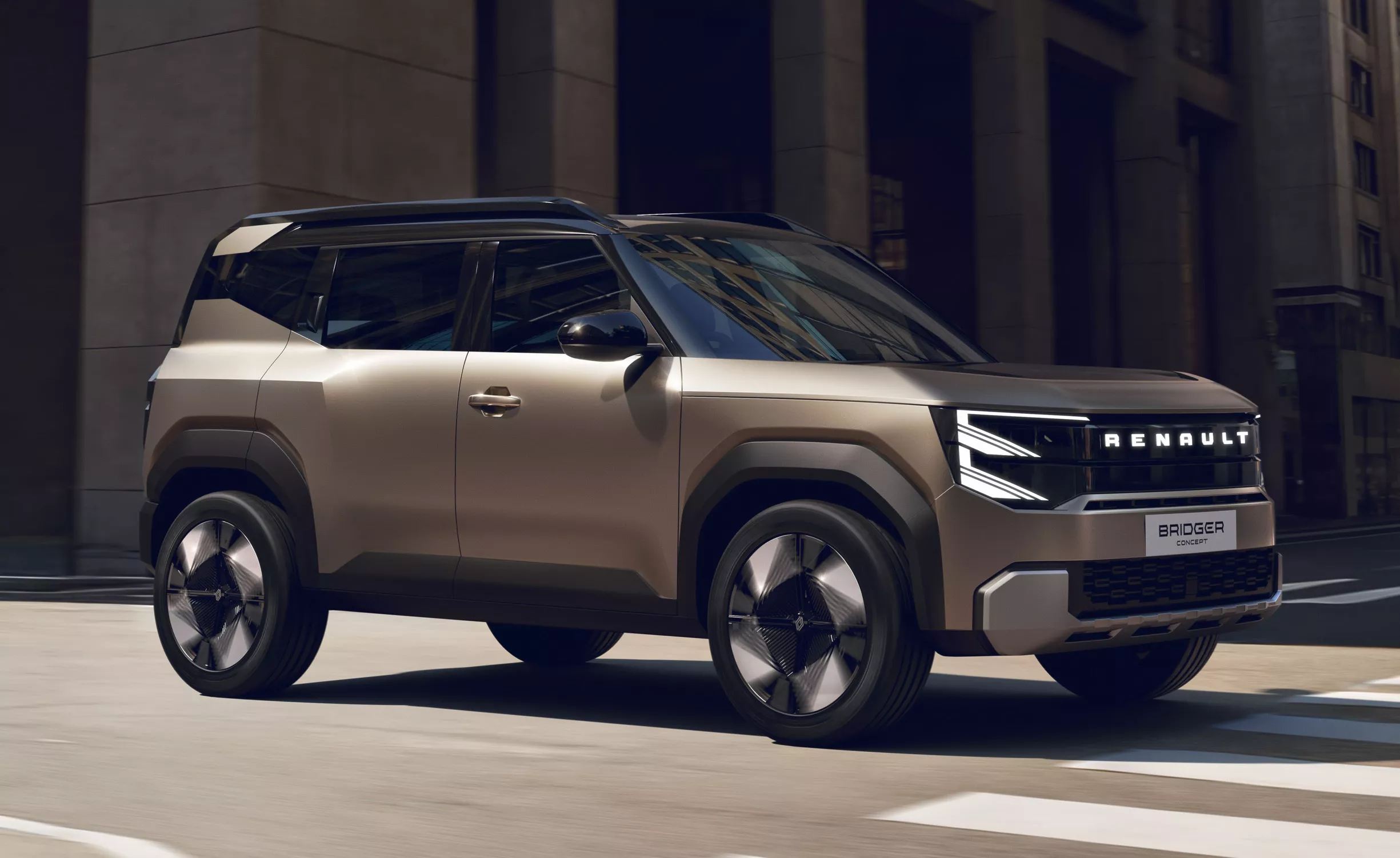
About half of those are expected to come from outside Europe. One upcoming example is a production version of the Bridger SUV, which will target markets like India and compete with vehicles such as the Suzuki Jimny.
Dacia will continue sticking to its familiar value formula, but with more electrified models gradually joining the range. By the end of the decade, roughly two-thirds of its sales are expected to be electrified, and the brand also plans to move further into the larger C segment.
Alpine will handle the performance side of the group. A new generation of the Alpine A110 is on the way, this time as an electric model, alongside vehicles such as the A290 and A390. Interestingly, Alpine boss Philippe Krief has said that the platform for the electric A110 could also support combustion engines. However, Renault’s latest strategy makes it clear that none of its brands is planning a return to the United States market.
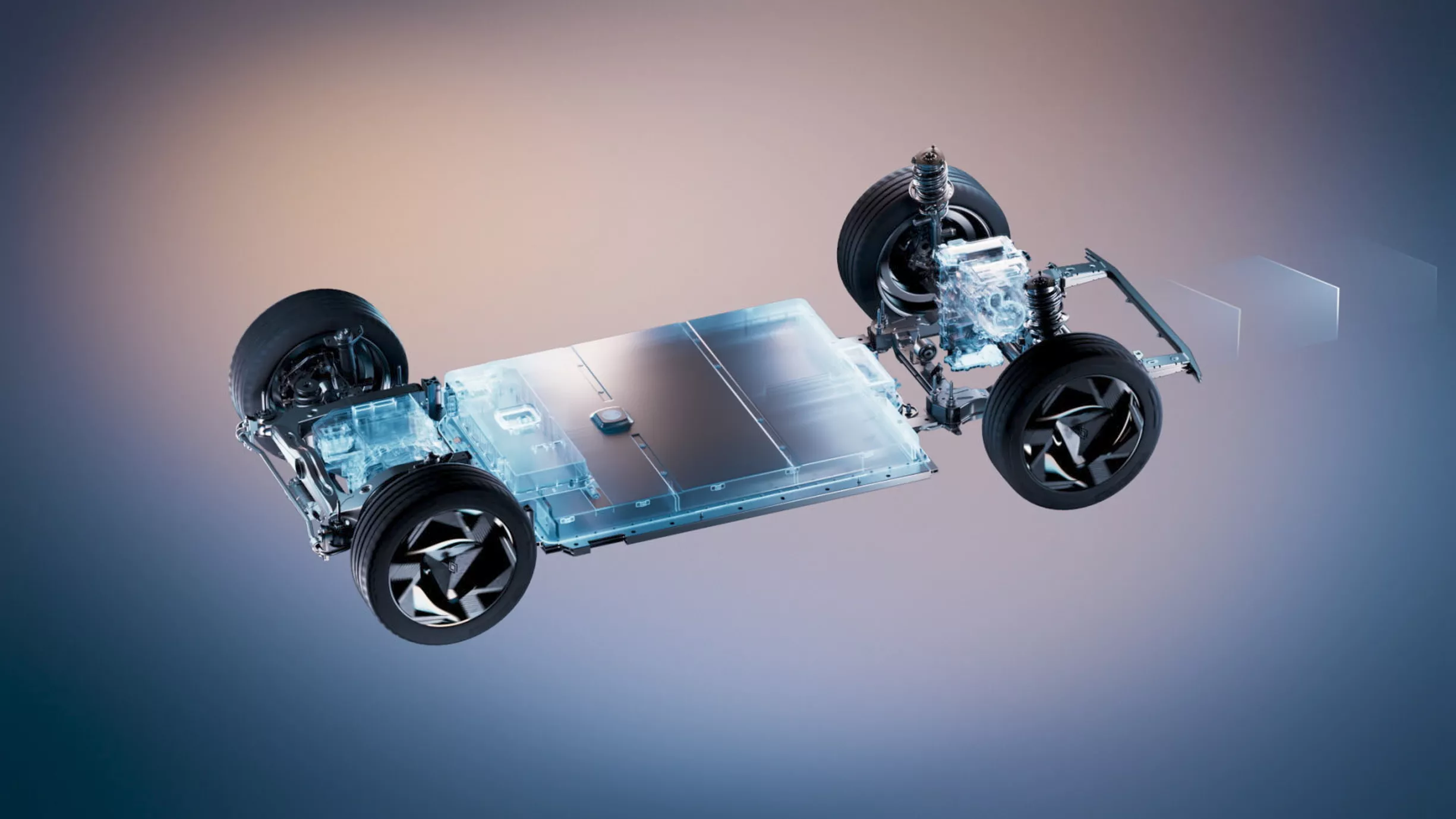
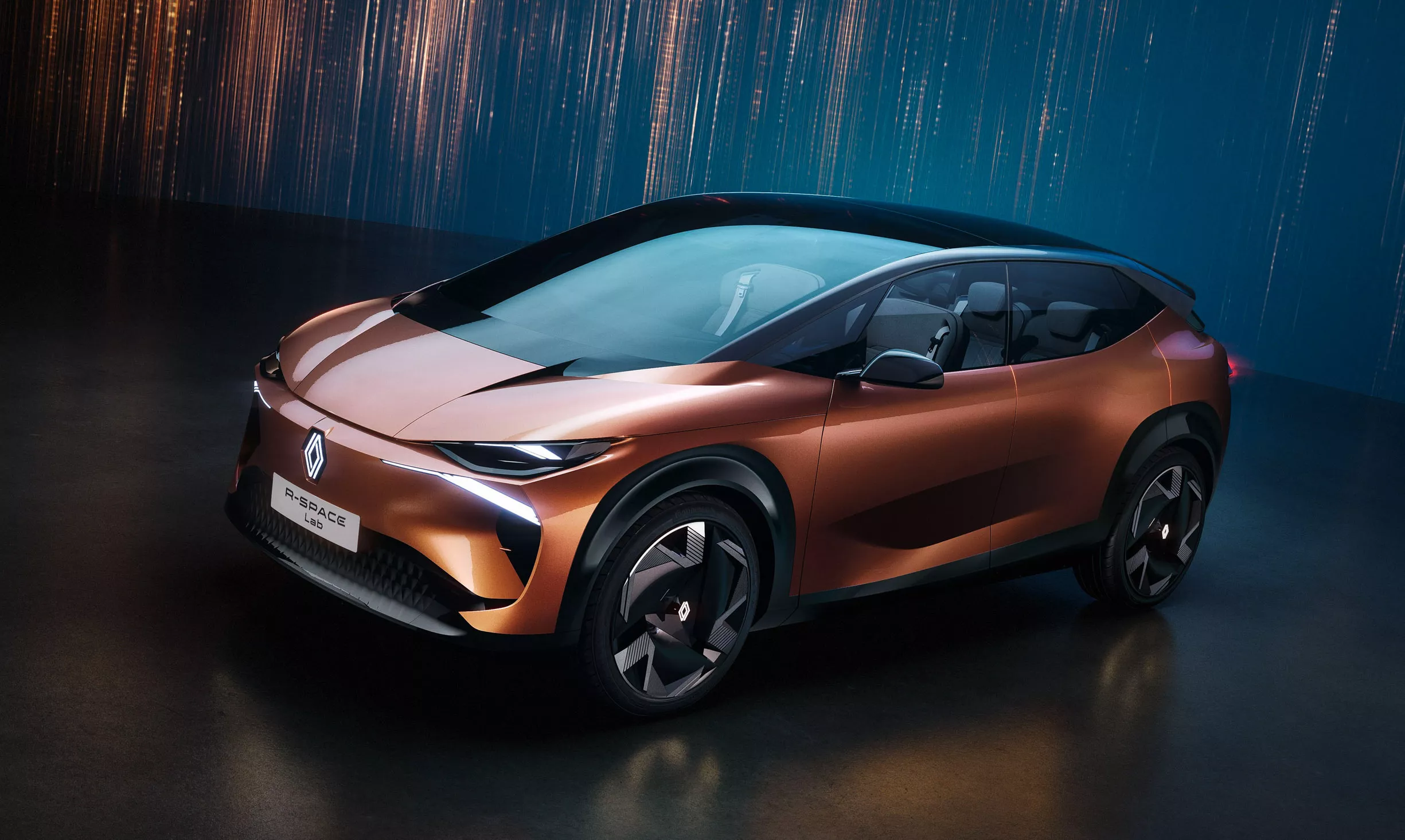
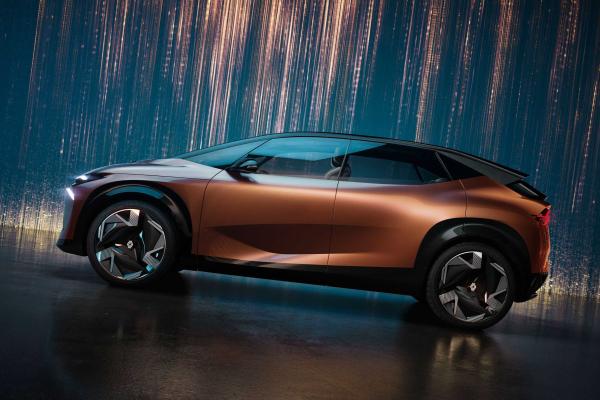
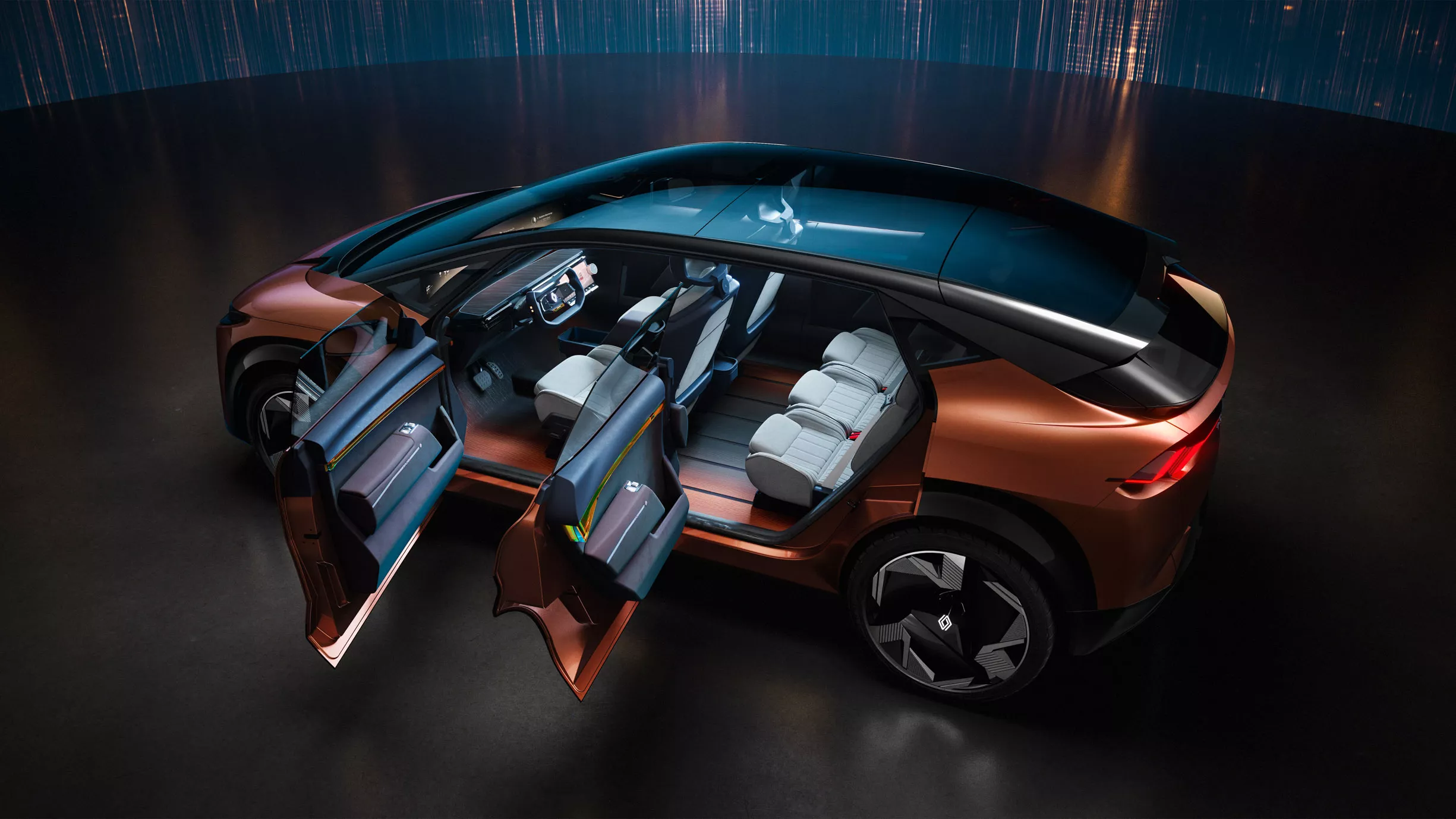
A key technical piece of the plan is Renault’s upcoming RGEV Medium 2.0 platform, which will underpin the next generation of compact EVs. It will introduce 800-volt charging technology to Renault for the first time and is expected to cut production costs by around 40 percent. The company also hinted at what future models might look like, including the next Espace, with the R-Space Lab concept.
According to Renault, EVs built on this platform could offer up to 750 km (466 miles) of range. A version with a range extender could push that figure to around 1,400 km (879 miles). Power should not be lacking either, as the next-generation electric motor is expected to produce up to 271 horsepower.
Software will also become a much bigger part of Renault’s future cars. The company is moving toward software-defined vehicle architecture, allowing many functions to be updated over the air and eventually managed by artificial intelligence.
Renault also wants to shorten development cycles significantly, aiming to bring new models from concept to production in about two years, which should help it keep pace with the rapid development seen from Chinese automakers.