
Winter Driving School: How to Drive in Snow Like a Pro
by AutoExpert | 12 September, 2025
Think you're pretty good at driving in snow? Think again. A winter driving course in Steamboat Springs, Colorado has a way of humbling even the most confident winter warriors.
Playing in Professional Powder
Bridgestone runs this wild winter driving school right outside the ski town, and honestly, it's a blast. For around $300 (flights and hotels not included), regular folks can learn to handle snow and ice like pros. Course only runs during winter months, obviously - come summer, the whole track turns back into regular farmland.
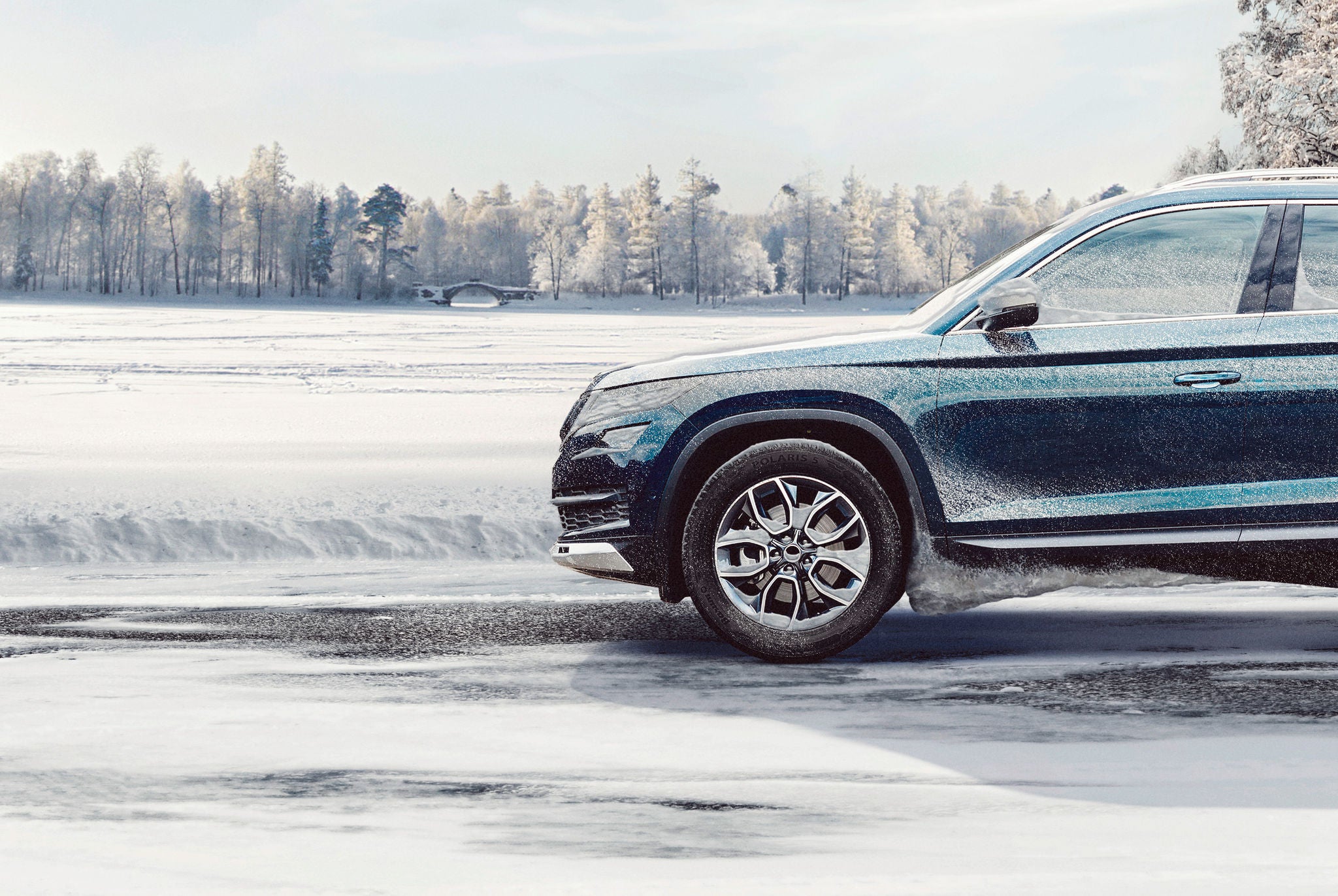
Here's the kicker: instead of boring economy cars, participants got to thrash around in Acura MDXs and NSXs. Yeah, those six-figure supercars with all-wheel drive, sliding around on snow like it's nobody's business.
When Things Get Sideways (Literally)
The whole setup included your typical driving exercises - skidpad work to mess around with understeer and oversteer, some lane-change stuff, and learning why you should brake before turning instead of trying to do both at once.
But the real fun was hot-lapping this 11-turn track covered in snow and ice, with snowbanks as the only thing between drivers and disaster. Simple rule: don't smack the snow walls.
Nobody actually crashed, but even one of the instructors managed to spin an NSX during the demo runs. Goes to show that winter driving doesn't care how experienced you think you are.
The Reality Check
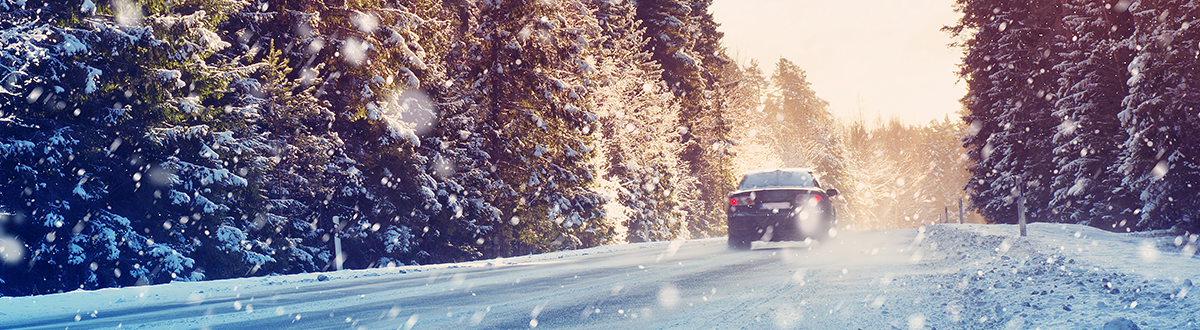
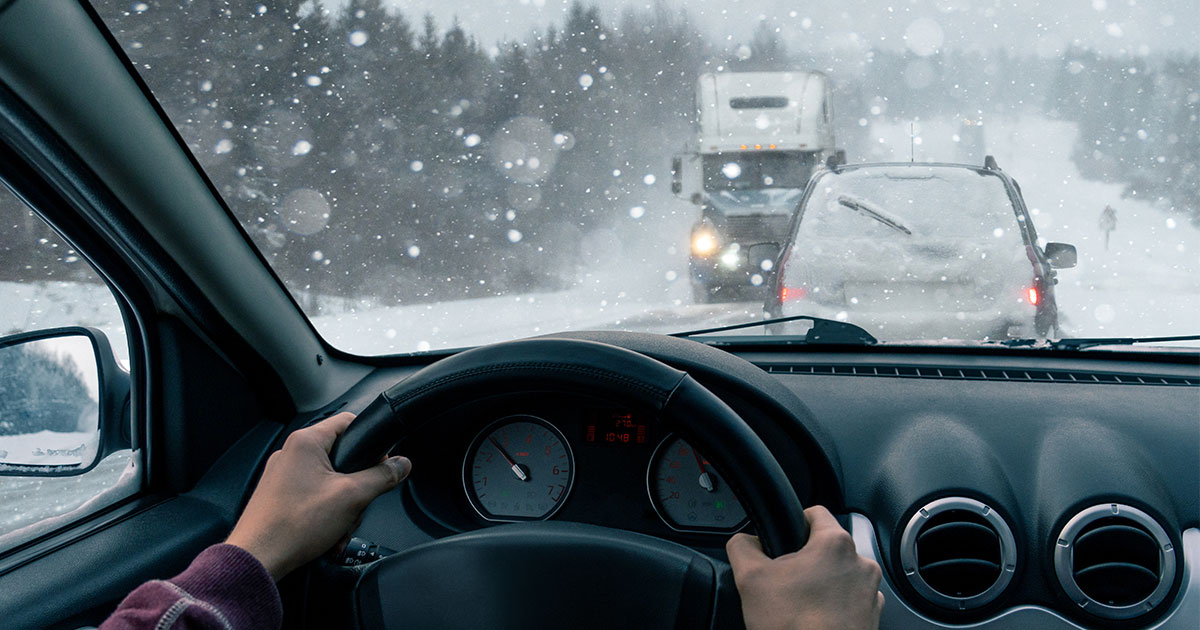
Here's what really messes with people: snow and ice conditions change constantly. Like, every single lap. What worked five minutes ago might send you sliding into next week now that the sun shifted or a few more cars packed down the surface.
Most drivers try to use the same braking points and racing lines lap after lap, just like on dry pavement. Big mistake. Winter surfaces demand constant adjustments - different speeds, different braking spots, different everything.
One driver nearly ate it on what should've been the easiest turn on the track. Came in too hot, braked too late, started pushing wide with understeer, then had the back end swing around when they finally let off the brakes. Classic winter driving oops moment.
Tire Talk: Why Winter Rubber Actually Matters
The eye-opening part was comparing identical MDXs with different tires. The ones running Bridgestone Blizzaks absolutely destroyed the all-season tire versions in every category.
Shorter stopping distances, way easier cornering, hardly any sliding around. Meanwhile, the all-season equipped vehicles felt like driving on soap. Drivers had to work twice as hard just to keep things pointed in the right direction.
Sure, this was Bridgestone's show, so no competitor tires to compare against. But the difference between winter tires and all-seasons was pretty damn obvious.
Bottom Line
Even if someone's been driving in snow for decades, schools like this teach new tricks. There are winter driving courses all over - Road America in Wisconsin runs one, Skip Barber has programs too.
The whole experience drives home two points: get some professional snow driving instruction if possible, and if winter driving is part of regular life, invest in proper snow tires. All-seasons are fine for occasional flurries, but real winter tires make a world of difference when things get serious.
Playing in the snow is definitely fun. Not sliding off the road while doing it? Even better.