
Why Tap Water Ruins Windshield Washer Systems: 2026 Guide
by AutoExpert | 14 January, 2026
At some point, almost everyone has done it. The washer fluid runs out, the windshield is filthy, and instead of going to the store, tap water goes straight into the reservoir. It feels harmless. It’s just water.
That’s where the trouble starts.
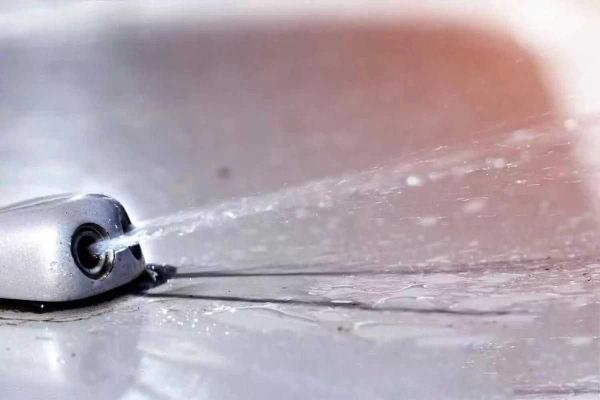
Tap water isn’t clean in the way cars need it to be. It carries minerals, and over time those minerals settle inside the washer system. The spray nozzles start clogging. The stream gets weak or uneven. Eventually, nothing comes out at all. It’s the same chalky buildup that shows up on shower glass—just hidden inside hoses and tiny openings you never see.
Cold weather makes things worse. Water freezes. Washer fluid doesn’t. Leave plain water in the system when temperatures drop and it can turn solid, expand, and crack the reservoir or lines. Sometimes the pump gives out first, trying to push ice through plastic tubing. Either way, what started as a “quick fix” turns into a repair.
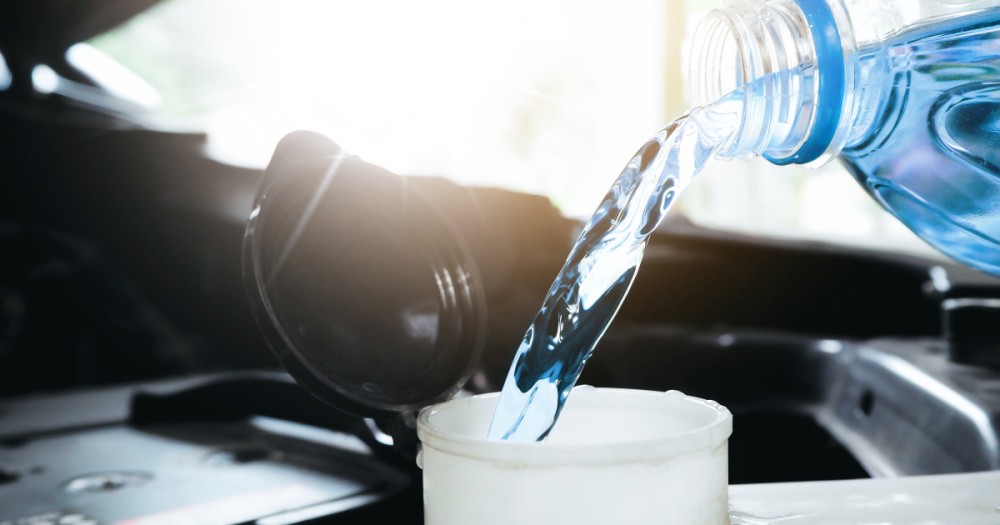
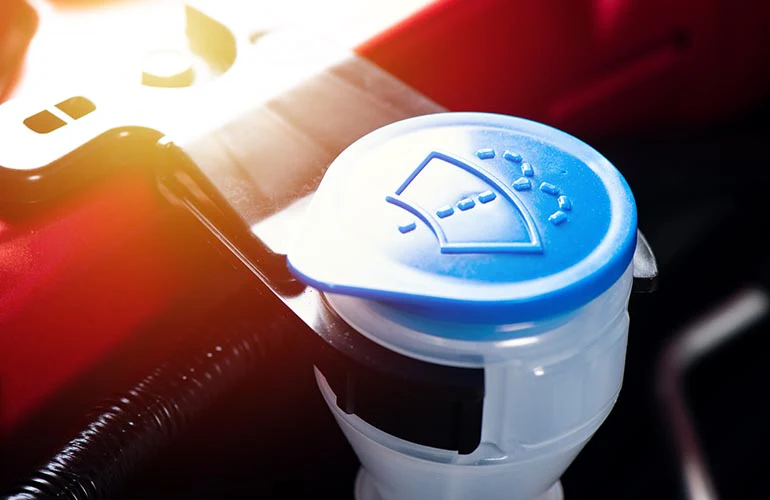
Washer fluid exists because of all this. It’s designed to stay liquid in freezing temps, break down bugs and road grime, and keep the system clean. It’s not fancy—it’s just doing a job water can’t.
Using tap water once, on a warm day, won’t destroy anything. But leaving it in there long-term, especially through winter, usually ends the same way: clogged nozzles, broken parts, and a lot more hassle than expected.
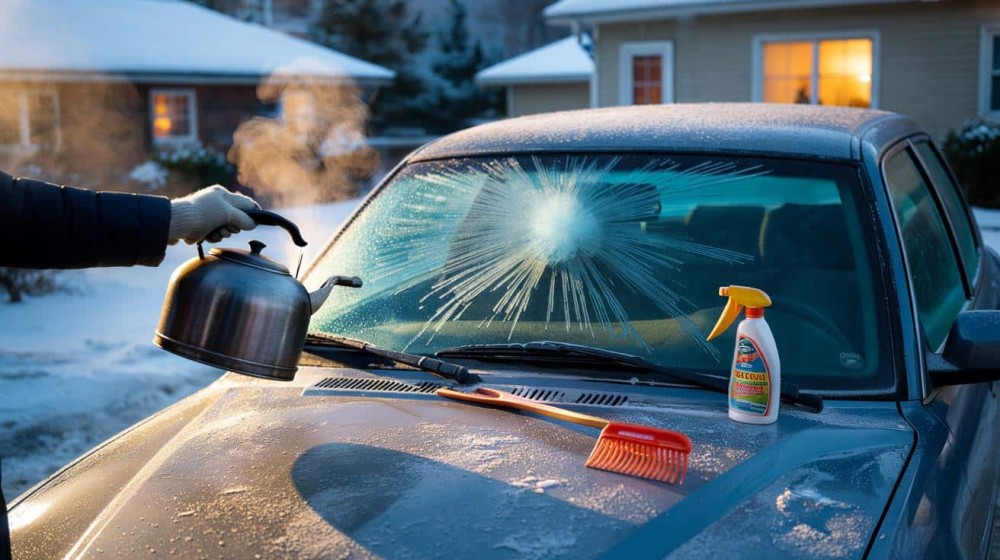
If saving money is the goal, distilled water with a simple homemade mix is still a better option than whatever’s coming out of the sink. But most of the time, the $5 jug is cheaper than fixing what tap water slowly ruins.
It’s one of those small car habits that seems insignificant—until it isn’t.