Why Mazda Isn’t Going All-In On EVs—Yet
by AutoExpert | 19 March, 2025
Mazda is taking a more flexible, cost-conscious approach to the future of electrification with what it calls the “Lean Asset Strategy.” Instead of going all-in on electric vehicles right away, the brand is opting for a smarter, more adaptable path—focusing on streamlining production, cutting R&D costs, and leaning into strategic partnerships.
One of the first major shifts under this new strategy is a scaled-back investment in EVs. Mazda had originally planned to spend ¥2 trillion (around $13.3 billion) on electrification, but has now trimmed that down to ¥1.5 trillion ($10 billion). That’s still a hefty investment, but the company says partnerships with Toyota, Denso, BluE Nexus, and China’s Changan are helping it do more with less.
Mazda is sticking with its multi-solution philosophy. That means customers can still expect a mix of gas-powered, hybrid, and fully electric options depending on market demand. Mazda is calling the current decade the “dawn of electrification,” but it’s not rushing blindly into a fully electric future just yet.
A big part of the plan is smarter manufacturing. By building EVs and combustion-engine vehicles on the same production lines, Mazda says it can cut factory investment costs by up to 85%—no need for expensive, EV-only plants. These new lines will use AI, automated guided vehicles, and factory over-the-air updates to boost efficiency from the ground up.
Another exciting piece of the puzzle is Mazda’s new SkyActiv-Z engine, which the company says gets impressively close to “the ultimate combustion.” It’s designed to be highly efficient and meet tough emissions standards like Euro 7 and U.S. Tier 4. The first vehicle to get it will be the next-generation CX-5, paired with a new in-house hybrid system. While the SUV itself is expected later this year, the SkyActiv-Z-powered version won’t hit the road until late 2027.
The SkyActiv-Z family will expand to include inline-six variants for larger models, and the tech will even be applied to help improve the efficiency of Mazda’s upcoming rotary engine.
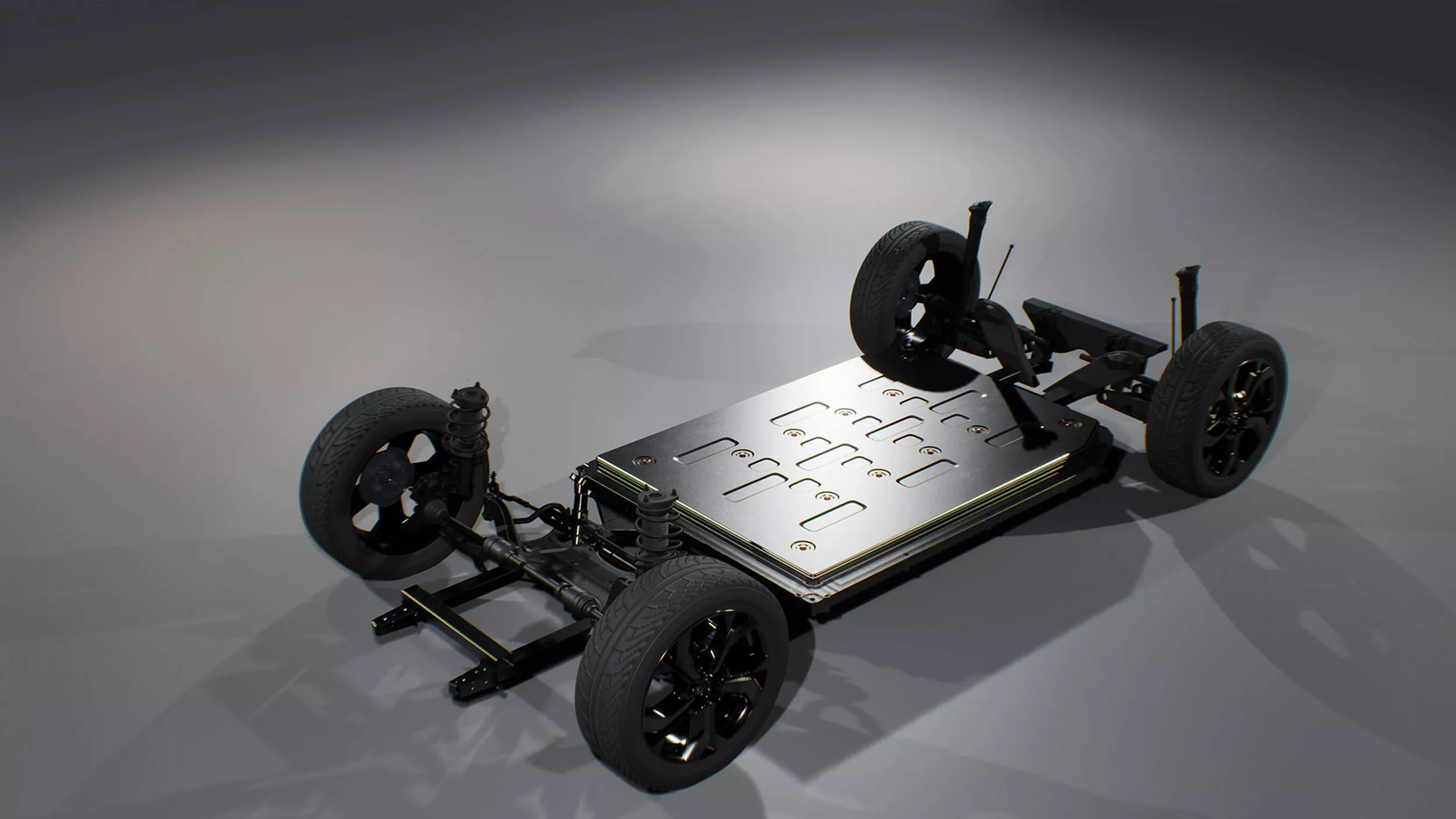
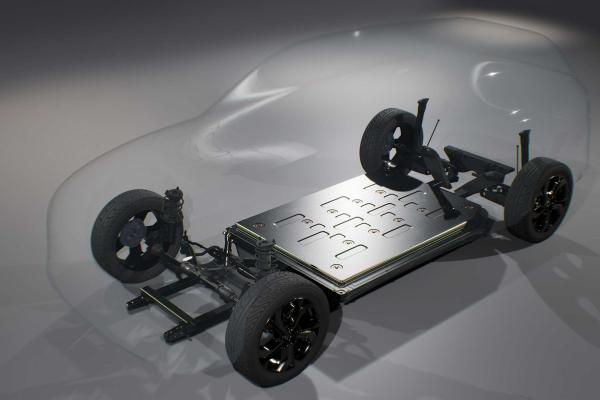
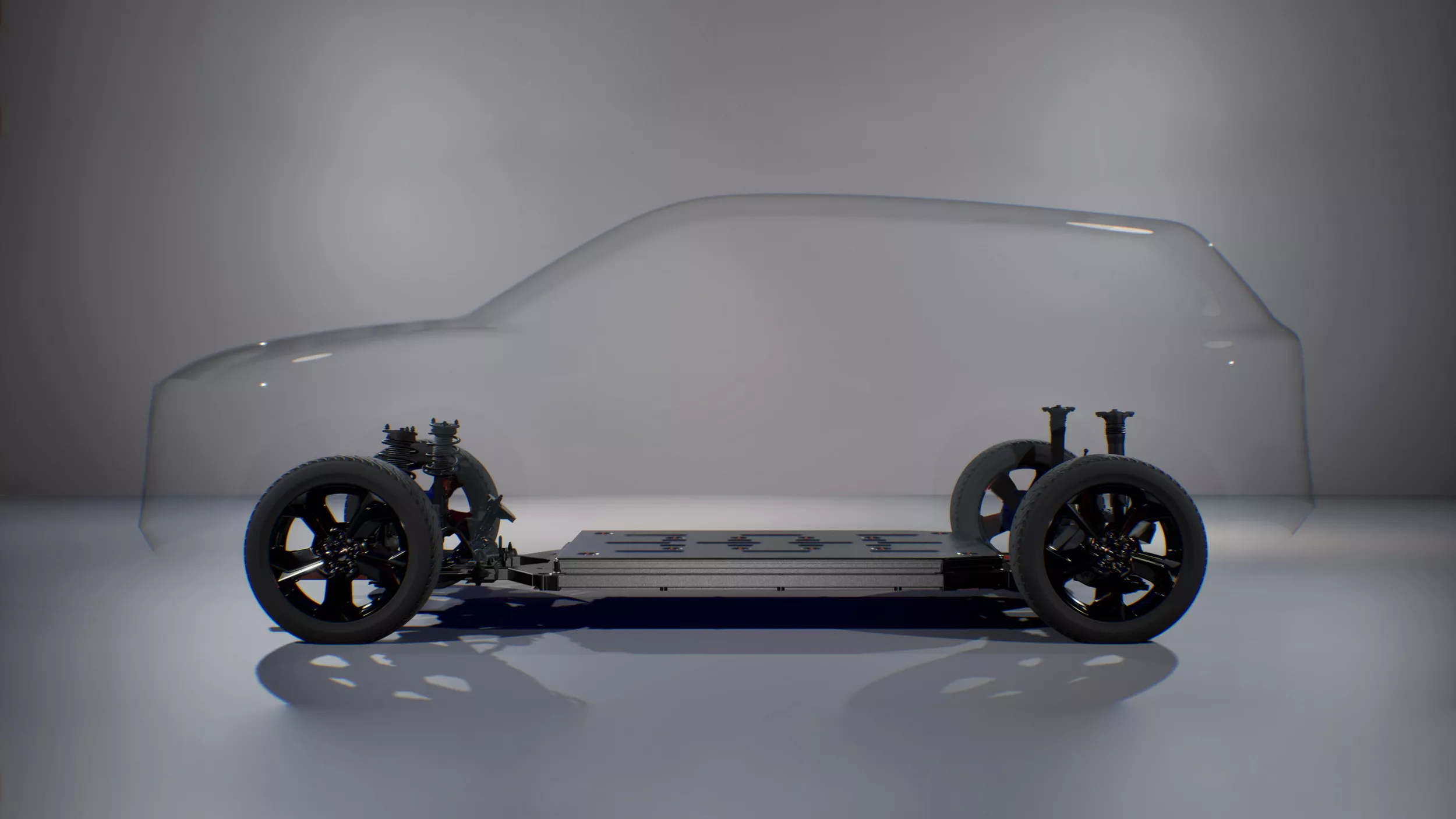
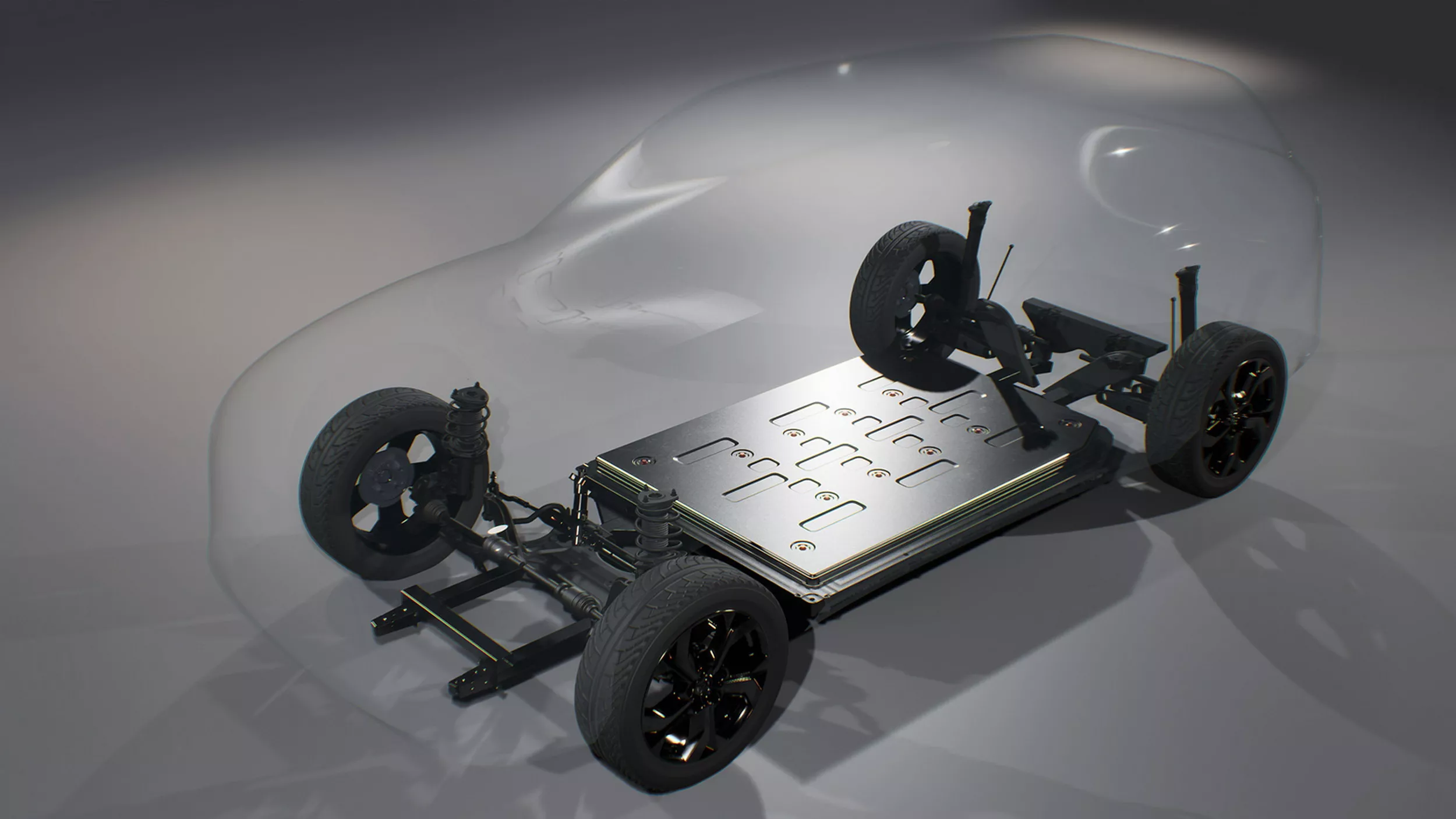
On the EV front, Mazda is continuing development on models like the Mazda6e sedan and a new electric SUV, which are being built in partnership with Changan. Mazda also has its own in-house EV platform in the works—capable of accommodating different battery types and body styles. The first fully in-house EV from this platform is due in 2027, with Panasonic supplying the batteries.
Mazda says that working with partners has helped slash EV development costs by 40% and cut development time in half. It’s a smart play for a relatively small automaker navigating a rapidly changing industry.