Why Boxy SUVs are Making a Comeback in Car Design
by AutoExpert | 4 April, 2025
Three top designers explain how squared-off, boxy designs have stormed back to dominate the SUV landscape.
Look around any parking lot these days and it's blob city. Rounded, anonymous crossovers are everywhere, each one blending into the next in a sea of aerodynamic sameness. Safety regulations and efficiency concerns have pushed most vehicles toward that same curved, forgettable silhouette.
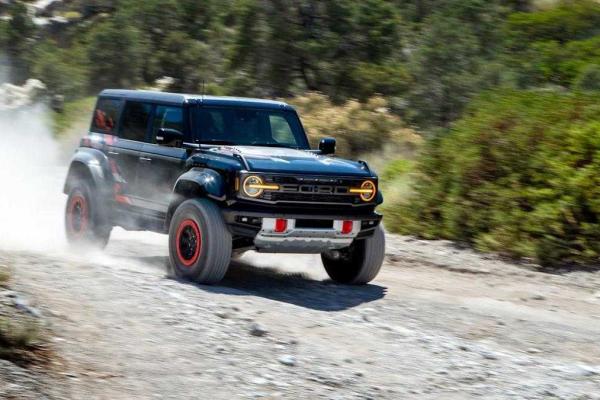
But something's changing. Those sharp, boxy designs once considered too old-school for modern vehicles are making a serious comeback. From the retro vibes of the Ford Bronco to the upscale angularity of the Lexus GX and the futuristic lines of the Kia EV9, squared-off SUVs are suddenly all the rage for the first time in decades. What's behind this sharp-edged revival? Three leading designers share their insights on why boxy is back – and whether these angular rides are here to stay.
How Did We Get Here?
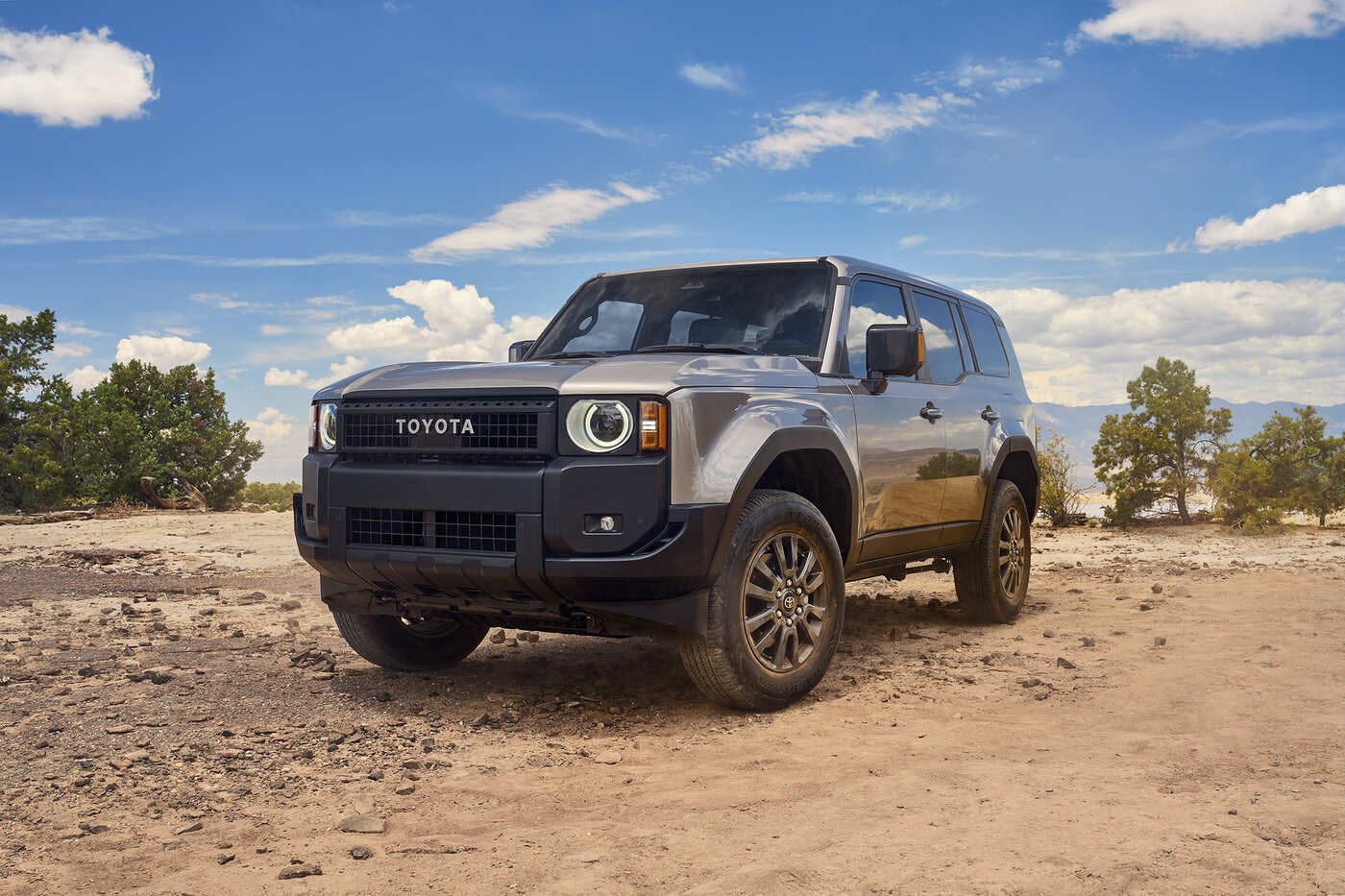
Until recently, Toyota's lineup was dominated by curvy, soft-shaped SUVs. The Toyota 4Runner, first introduced in 2009, stood out as the rebellious angular exception in their showrooms. But that changed dramatically with the 2024 Land Cruiser – completely redesigned with a bold, boxy profile that harkens back to its heritage.
"I think it was missing from the lineup," explains Kevin Hunter, president of Calty Design Research, Toyota's design studio. "We were gravitating towards more crossover-type products and sexy SUVs because that's where the market was moving. As trends go, they cycle in and out. I think maybe the market just got a little tired of the same genre."
Hunter isn't alone in that assessment. Fashion cycles come and go, and car design follows similar patterns. While aerodynamics might push for rounded shapes, consumers eventually crave something different – a break from the norm. Robert Lesnik, who heads exterior vehicle design at Mercedes-Benz, shares that perspective.
"If you work for a brand that, let's say, does not have a heritage, then you might do something different, something that pops out of that sea of sameness, that sea of round cars," Lesnik points out. "The [goal] for the designer of a certain brand is to do something unique, something with the individual style. So you want to stick out of the crowd."
SangYup Lee, who leads the Hyundai and Genesis Global Design Center, puts the focus on shifting consumer preferences.
"The customers are a moving target," he explains. "Back in the day, all SUVs were boxy. Then, crossovers started to become mainstream. And then, in the last 10 years, the outdoor lifestyle became a global trend," he adds. "And it really accelerated when the pandemic hit."
So the wheel keeps turning.
Automakers understand that emotional connection drives sales. Designers bear the weight of creating that instant attraction. First impressions matter enormously, and right now, people are drawn to vehicles that suggest adventure and capability – even if those vehicles rarely leave paved roads.
"When you have a car that looks capable, that looks strong, of course, a boxy style is a very attractive choice for a customer," Lee observes. "Look at the Bronco and the Land Cruiser."
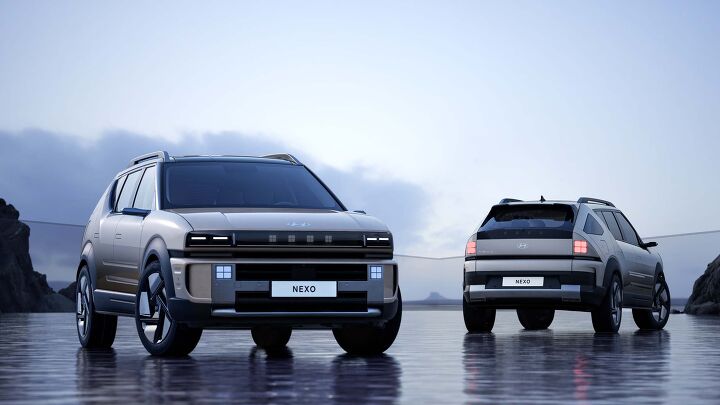
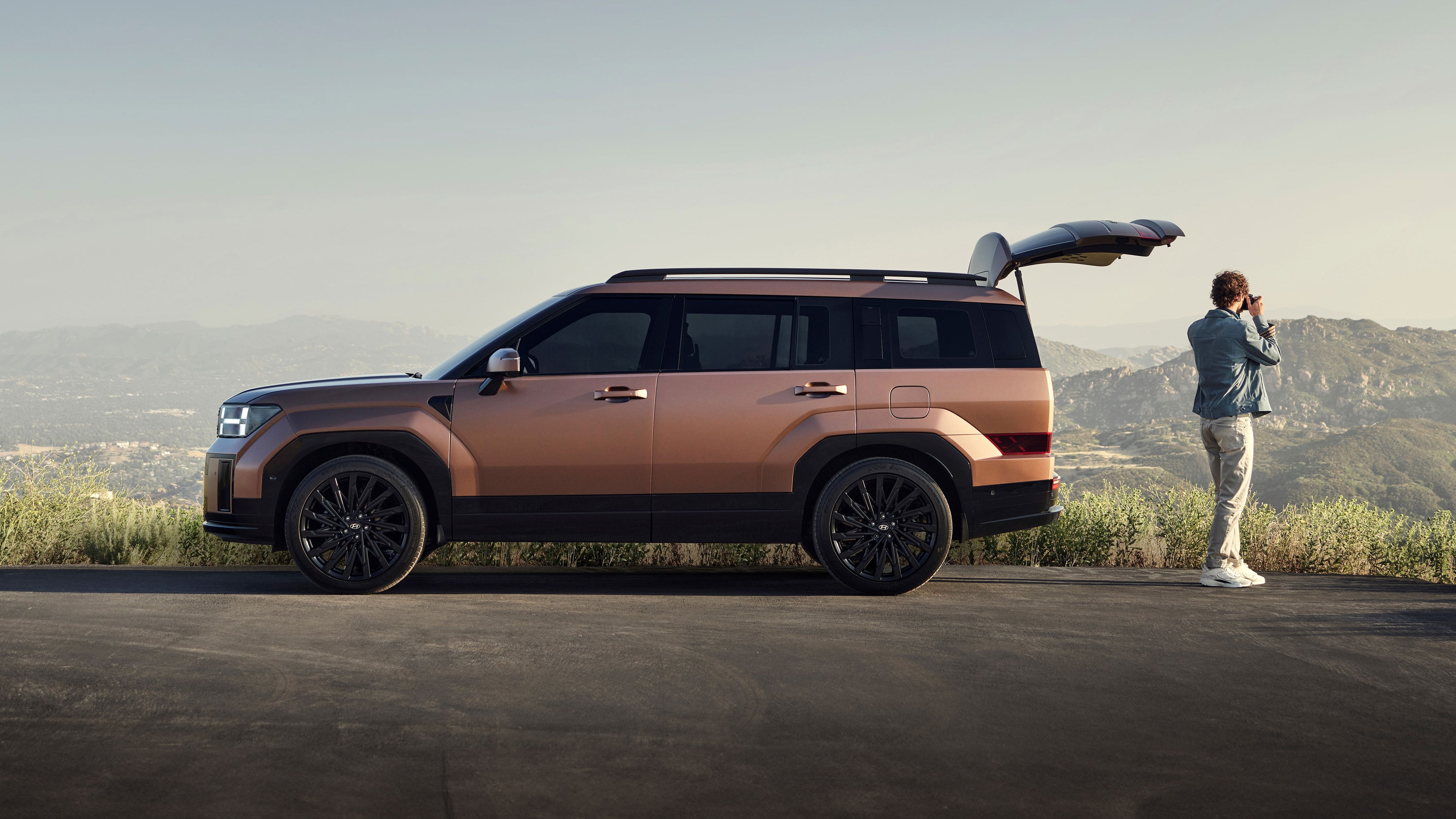
"We did Santa Fe because of that," he notes. "The outdoor [appeal], the efficiency, the big space inside."
Hunter recognized this growing demand and leveraged Toyota's rich history to capitalize on it.

"We thought there was an opportunity and a missing gap in our lineup that we could utilize, and bring Land Cruiser back to its roots, back to its origin," Hunter explains. "[The overlanding crowd] wanted to see the Land Cruiser come back to its authentic roots."
Mercedes-Benz, meanwhile, used its heritage as a reason to maintain its iconic boxy design rather than chase trends.
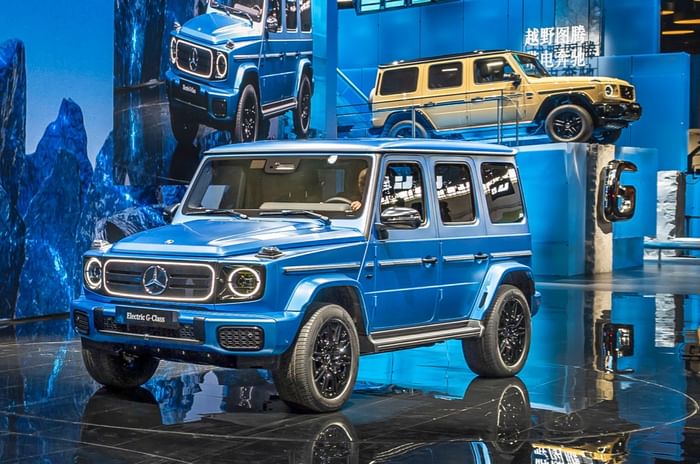
"You always have to see how successful the product is," Lesnik says. "[The G-Class] was, in the year 2017, still successful after 38 years on sale. And so we said, 'Oh, don't change it.' If it's not broken, don't mess with it."
Actually, Tech Is Good
Common sense suggests that boxy designs are less efficient than sleek, rounded shapes. But thanks to clever engineering advances, these squared-off vehicles can enjoy their renaissance without catastrophic environmental consequences.
The Mercedes G-Wagen has maintained virtually the same boxy silhouette since 1979, despite massive changes in emissions standards and crash regulations. That continuity comes from the innovative engineers working behind the scenes, according to Lesnik.

"The turn indicator on the fender," he offers as an example. "The engineers said, 'Ok, forget this. It won't work because of pedestrian protection.' Then I said, 'No, the turn indicator is important.' So they spent a lot of time on that, so that if a pedestrian hits it, then it would fall into the fender."
"It's a very tricky one, how to make it feasible," Lesnik adds. "You have to put in much more effort, thinking, and clever engineering."
He notes that iconic vehicles like the G-Class are actually more challenging to design since they must remain faithful to their core identity. Starting from scratch gives designers more freedom to explore.
Aerodynamic tweaks aren't the only way to keep boxy vehicles viable. Major advances in hybrid technology have allowed traditionally thirsty SUVs to remain practical in an efficiency-conscious world.
"Utility vehicles are hard on MPG, there's no doubt," Hunter acknowledges. "But the fact we have a hybrid in the Land Cruiser, that helps. It also gives us a bit more performance, so there's an efficiency part of that, but there can also be a performance aspect as well."
Here to Stay, or Just a Fad?
The one constant in automotive design is that nothing stays constant. Ten years from now, the landscape will look completely different after countless trends have come and gone. Whether that means an expiration date for the current boxy revival is anyone's guess – though some designers are more optimistic than others.
"I hope we can continue with some continuity, whether it's 10, 20, 30 years from now," Hunter says. "Land Cruiser is Land Cruiser, and maybe we'll introduce some new products along the way that expand our market base a bit. But, fundamentally, I hope we stick to the core of what it represents."
Despite the G-Wagen's remarkable longevity, Lesnik remains somewhat skeptical.
"For the future, it's going to be even more tricky. If you talk about this theme in five years, and the [G-Wagen] still looks how it looks, then you'll know why we get our money," he says.

Similarly, Lee recognizes that consumer tastes are perpetually in flux, which means vehicle designs must evolve accordingly.
"At the same time [as these boxy cars], everybody still loves [normal crossovers]," he observes. "At some point, people will look for something else, a different type of candy. This is why we really have to observe and watch the customer and their lifestyle. But right now, I must say that boxy is mainstream. It's the global trend at the moment."