
Why Your Car Shakes at 60 MPH (And What It's Trying to Tell You)
by AutoExpert | 29 May, 2026
You're doing 62 mph. Not 58. Not 70. Sixty-two. And that's when the steering wheel starts twitching.
Maybe it's subtle at first. Just enough movement that you wonder if you're imagining it. Then it happens again. The wheel buzzes in your hands, the seat starts humming a little, and now you're paying attention.
Here's the funny thing about vibrations: they're rarely random.
Cars are actually pretty honest. The speed where the shake happens, whether you're braking, accelerating, turning, or just sitting at a red light, usually narrows the problem down faster than most people realize.
Take the classic highway shake.
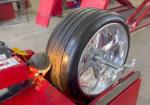
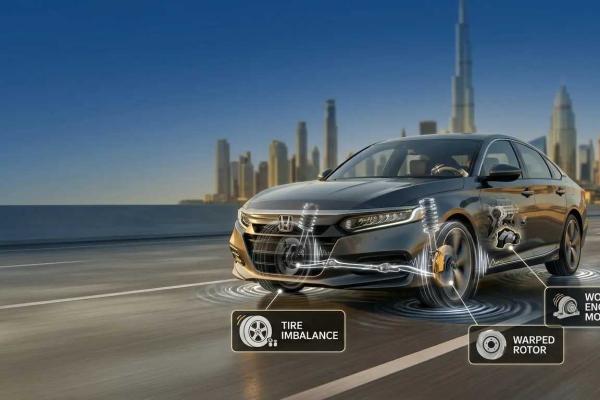
If everything feels perfectly normal around town but turns into a massage chair somewhere between 55 and 70 mph, the first suspect is almost always tire balance. Not because mechanics enjoy blaming tires. Because that's genuinely where the money is.
Wheel weights fall off. Potholes happen. Sometimes a tire rotation is all it takes. The result is a wheel that's ever-so-slightly uneven. At 35 mph you barely notice it. At 65? Suddenly your steering wheel develops opinions.
And weirdly enough, it may disappear again at higher speeds.
People hate hearing that because it sounds impossible. But vibrations work a lot like music. Hit the right frequency and everything resonates. Move past it and the shake fades away again.
Now, if the vibration keeps getting worse the faster you go, that's a different conversation.
At that point I'd start looking closely at the tires themselves. A separated belt. A bulging sidewall. Missing tread. Walk around the car and actually stare at the tires. Most people don't. They look. They don't look. If one tire appears pregnant, congratulations, you've found the problem.
Braking creates its own clues. Maybe the car drives beautifully until you touch the brake pedal. Then the steering wheel starts pulsing like it's trying to send Morse code. That's usually the rotors talking.
Everybody calls them warped rotors, even though that's not technically what's happening most of the time. What you're actually feeling are tiny high and low spots developing across the rotor surface. Every time the brake pads sweep over those spots, they push back through the pedal and steering wheel.
The sensation can be surprisingly dramatic. I've seen people convinced their suspension was falling apart when all they needed were front rotors.
Then there are the vibrations that happen while the car isn't even moving.

Those are the weird ones. You're sitting at a stoplight. The engine is idling. The whole car feels like it's had too much coffee. Touch the gas pedal. Gone. That's often a motor mount waving a white flag.
Motor mounts spend their entire lives absorbing engine vibrations so you don't have to feel them. Once the rubber starts deteriorating, the engine's little shakes become your little shakes.
Not dangerous. Just annoying. Until it gets worse.
And if the vibration comes with a flashing check engine light? Different animal entirely. That's usually a misfire, and misfires have an expensive habit of introducing themselves to catalytic converters.
One vibration people tend to ignore is the click-shudder combination during parking lot turns.
Wheel cranked all the way. Slow speed. Click click click. That's usually a CV axle asking for retirement. The grease escapes. Dirt gets in. The joint wears out. Then it starts making noise every time you ask it to do its job.
Like most car problems, it starts as a suggestion and eventually becomes a demand. The good news is that most vibrations aren't emergencies. The bad news is that the truly serious ones usually announce themselves loudly.
If the car suddenly starts shaking violently at highway speed, don't spend twenty miles trying to diagnose it from the driver's seat. Pull over.
Same thing if the vibration shows up alongside smoke, a burning smell, or grinding noises that make passengers stop talking.
At that point the car isn't hinting anymore. It's yelling. The rest of the time, though, vibrations are just information. Your car is telling you exactly what's wrong. You just have to learn its accent.