
Here's Why Letting Air Out of Hot Tires Could Get You Killed This Summer
by AutoExpert | 28 May, 2026
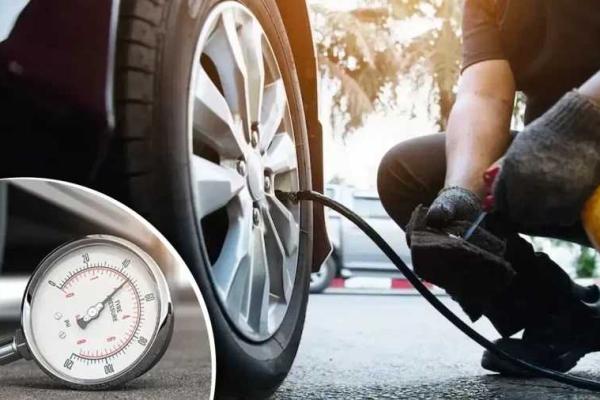
Quick question. You walk out to your car on a 95 degree afternoon, check your tires with a gauge, and see they're reading 4 PSI over what the door sticker says. What do you do?
If your first instinct is to bleed a little air out, stop. That's the summer tire pressure mistake that takes out more drivers than almost any other DIY move, and the physics behind it are genuinely worth two minutes of your time.

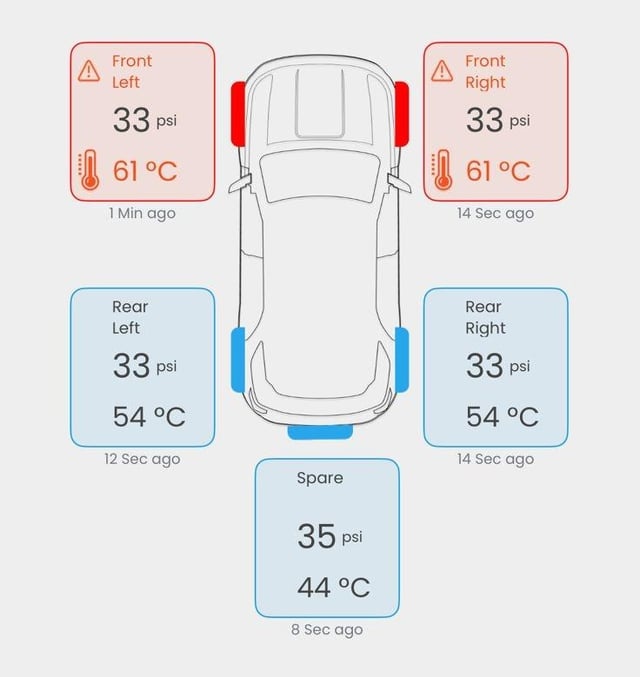
Here's what's happening inside the tire. For every 10 degrees the ambient temperature goes up, your tire pressure rises by 1 to 2 PSI. When it's 95 outside, your driveway can sit around 125 degrees and the asphalt on the interstate can hit 145. Once you've been driving for 30 minutes, the friction of the tire flexing against the pavement layers more heat on top of that. Reading 4 to 8 PSI over your cold spec at the rest stop is completely normal. The tire is doing exactly what tires do.
Now here's the part that catches people.
If you let that hot air out at the rest stop and your tire reads back at the door-sticker number, you've actually underinflated it. Once you park overnight and the air cools down, your pressure drops well below spec. Underinflated tires flex more, which generates more heat, which weakens the structure, which is exactly how blowouts happen at 70 miles an hour.
NHTSA crash data consistently puts underinflation as a top cause of tire-related fatalities in the summer months. The picture in your head of a blowout is probably a cartoon nail in the tread. The real picture is a tire that ran soft for weeks, built up internal heat, and let go of its sidewall on a 90 degree afternoon.
So how do you actually do this right?
- Check tire pressure cold. That means the car has been parked at least three hours, or has driven less than one mile. First thing in the morning is the cleanest read you'll get.
- Use the number on the door jamb, not the tire sidewall. The sidewall number is the maximum pressure the tire can handle, which is not the same as the correct operating pressure for your specific car. The door sticker, usually on the driver's side B-pillar, has the real spec from the manufacturer.
- Check every two weeks, and before every long trip. A slow leak can drop a tire 4 to 5 PSI in a month without ever looking flat to the eye. By the time you can see it, you're already driving on something dangerous.
- Get a real gauge. The pencil-style gauges from gas stations are notoriously off. A $15 digital one from any auto parts store is accurate to within 1 PSI and will last forever.
If you're going on a road trip and your TPMS light flicks on at the rest stop, don't panic, but pull over at the next exit and check all four with a real gauge once you've cooled off for 20 minutes or so. Most of the time it's one tire dropping due to a slow leak, not the whole set.
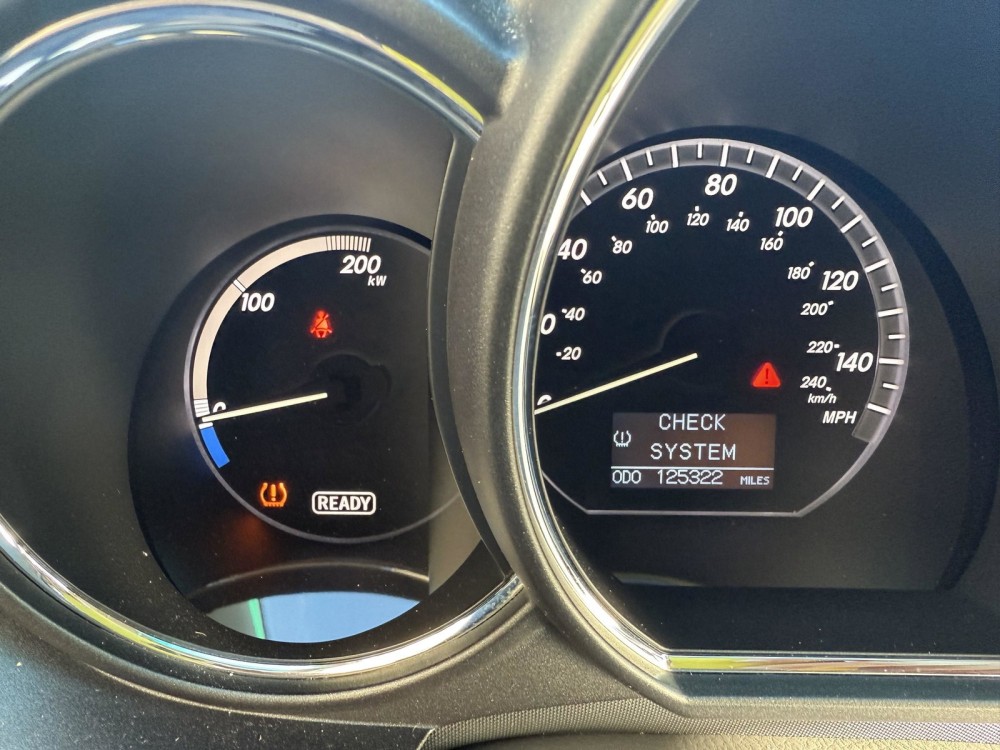
The summer tire pressure rule is short. Check cold, trust the door sticker, and never let air out of a hot tire even if the number on the gauge looks scary. Heat-expanded pressure is the tire designed for the conditions you're driving in. The pressure your tires have when they're stone cold in the morning is what actually matters.
Get this one habit right and you've eliminated one of the most common, and most preventable, ways summer driving turns into a tow bill or worse.