
Why Automakers Crush Concept Cars (and Why You Can't Buy the Cadillac Cien)
by AutoExpert | 27 November, 2025
Concept cars are magic tricks. They look like real cars, but most of them are closer to movie props than machines anyone could actually drive. Automakers roll them out at shows to spark imagination — flexible bodies, wild interiors, sci-fi dashboards, even ideas like nuclear-powered drivetrains once floated by Ford in the ’50s. They exist to make brands look bold and futuristic, not to survive the real world.
And once that hype cycle ends? Most of those shiny dreams end up in a crusher.
Why kill something that looks so good?
Because almost all concept cars are barely cars. Many don’t have airbags, crash structures, emissions equipment, or even a working powertrain. They’re built to look like the future, not to meet safety laws or withstand a pothole. Some sit on plywood frames. Some melt in the sun. Literally.
There’s also a business angle: concept cars often hide designs, tech, and engineering ideas automakers don’t want floating around in private garages. If a brand shows off a wild idea but later scraps it, it doesn’t want the prototype quietly circulating on Craigslist.
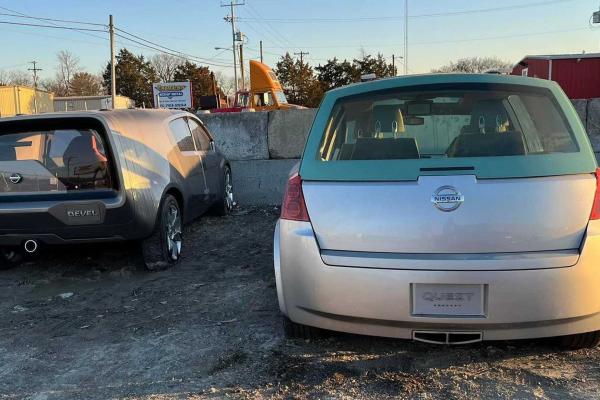
Working concepts don’t always survive either. Chrysler famously destroyed most of its Turbine Cars even though they ran — the company had no intention of supporting them long-term.
Concept vs. prototype: completely different beasts
People often lump “concept cars” and “prototypes” together, but they serve different purposes.
Prototypes are early versions of cars that might go into production. They go through real crash tests, emissions checks, and federal certification.
Concepts are there to stir conversation. Many are sculptures with wheels.
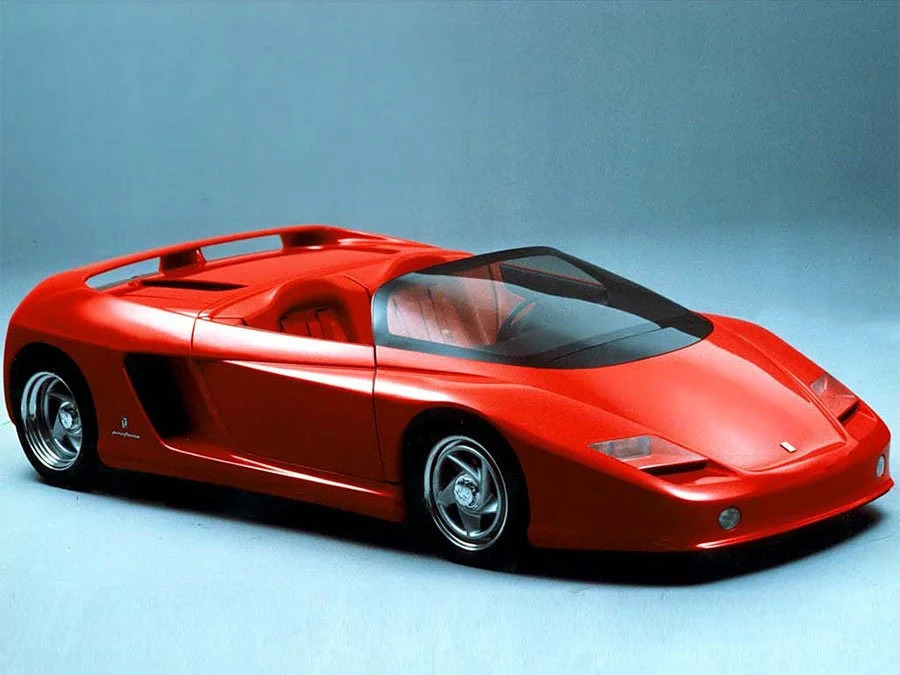
Some legendary exceptions exist — Ferrari’s Mythos still appears at shows, and a few concepts have been real, drivable machines. But for every one of those, there are dozens built on boring platforms (hello, luxury concepts hiding Lincoln Town Car bones) or dressed-up shells with impossible tech.
And some concepts were always destined to be clickbait: dramatic, fully functioning, but never intended for production — like Hyundai’s stunning HCD-1 that teased a $14,000 sports car. The world got the Tiburon instead.
Why automakers don’t sell them
Even when a concept looks complete, it’s usually not something you’d actually want to own. Nissan once admitted many concepts are so fragile that fiberglass panels can warp sitting outside too long. Imagine paying six figures for a show car only to watch it twist like a pool toy in July.
So manufacturers crush them to avoid complaints, lawsuits, and the awkward situation of someone trying to register a car that was never legal to begin with.
Some companies keep the best designs for museums. A tiny handful are sold privately — usually with paperwork stating the car can’t ever be driven on public roads.
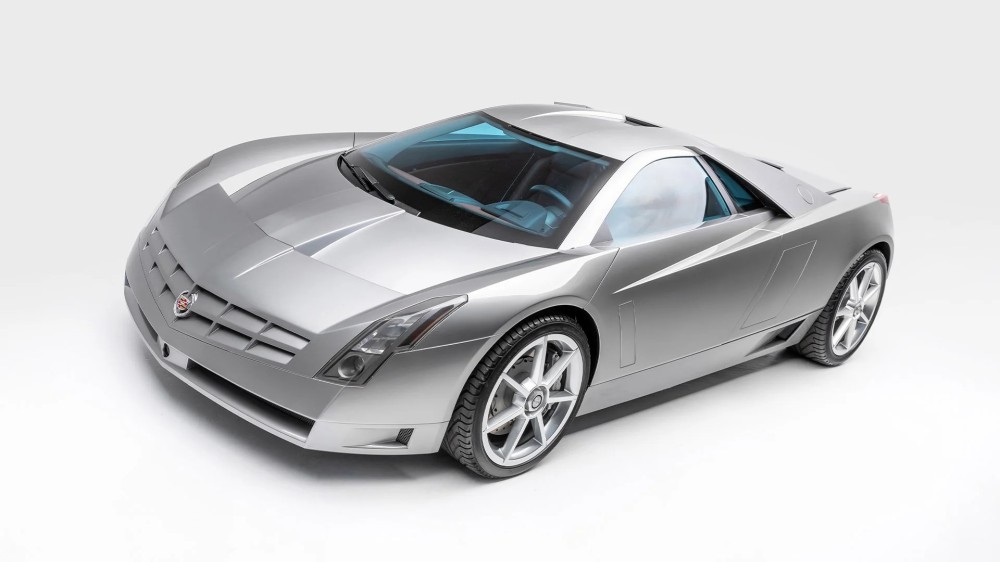
Still, every enthusiast has a fantasy list. If someone ever offered up a Cadillac Cien with working doors and mirrors, plenty of people would start considering which internal organ they could live without.