Volvo Faces $1.2 Billion Hit As EV Plans Run Into Tariffs And Delays
by AutoExpert | 15 July, 2025
Volvo’s electric journey isn’t exactly going according to plan right now. The company just revealed it’s taking a pretty steep financial hit—a $1.2 billion non-cash charge this quarter.
That kind of number doesn’t just show up overnight. It’s the result of a few major headaches, including trouble with tariffs and the not-so-smooth launch of their flagship electric SUV, the EX90.
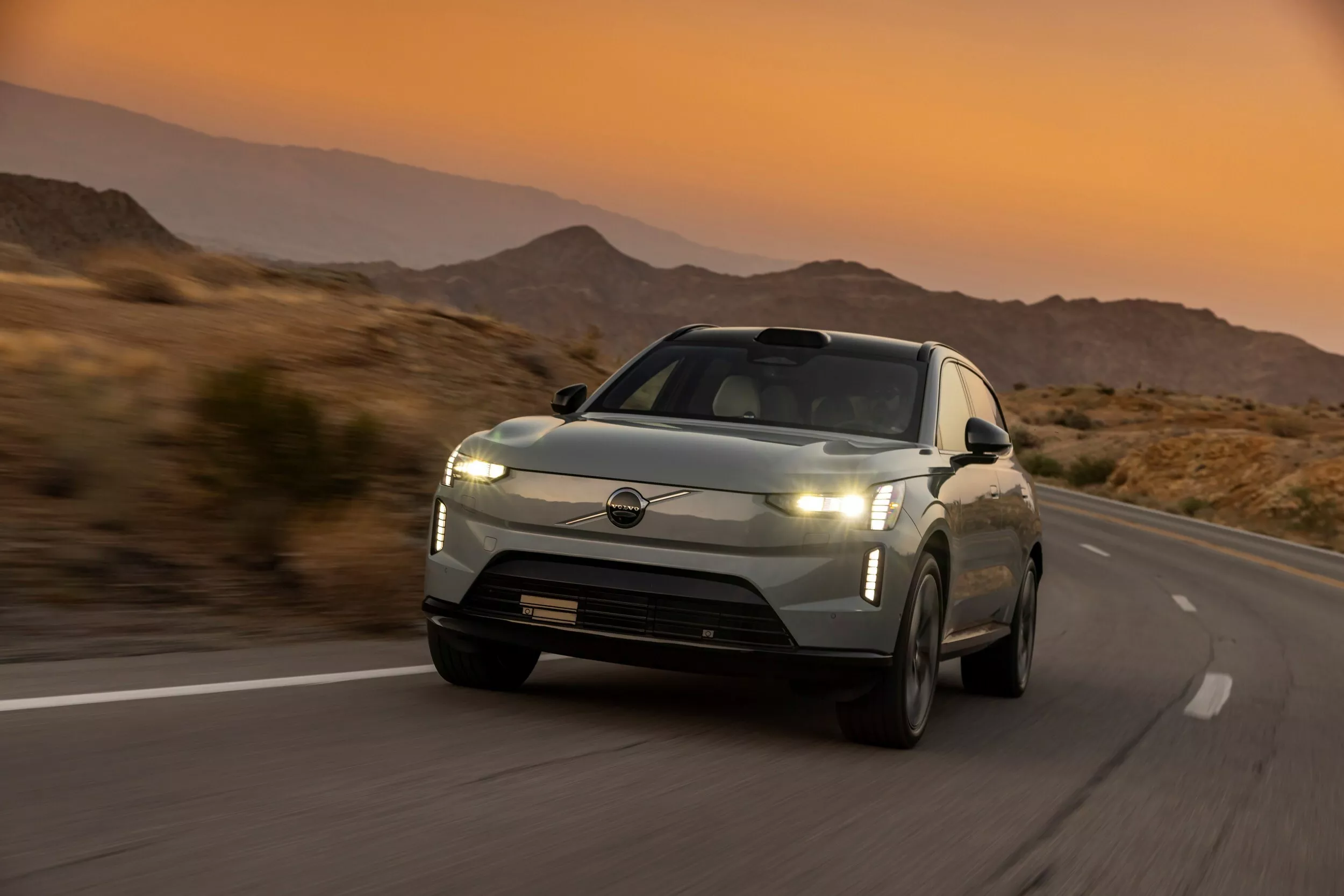
Let’s start with the ES90. This was supposed to be the electric replacement for the S90 sedan, but it’s run straight into a wall of tariffs. Since the car is built in China, it now faces an eye-watering 247.5% import tax if Volvo tries to sell it in the U.S.
At that rate, the math just doesn’t work out. Volvo says it’s not feasible to offer the car at a competitive price, let alone turn a profit. Europe isn’t much kinder, either. Countries there are also introducing tariffs on Chinese-made EVs, and the ES90’s slim margins are getting squeezed from both sides.
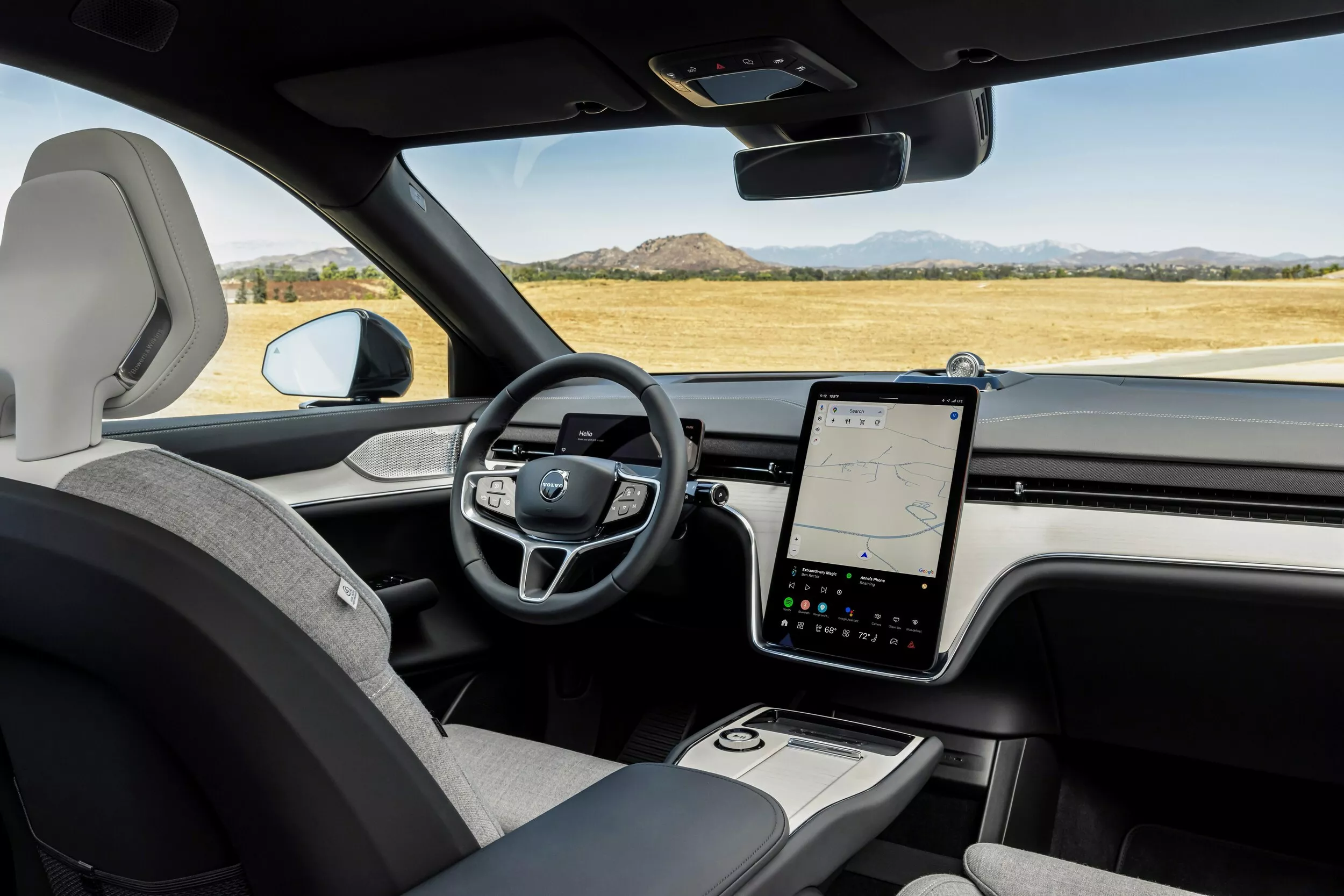
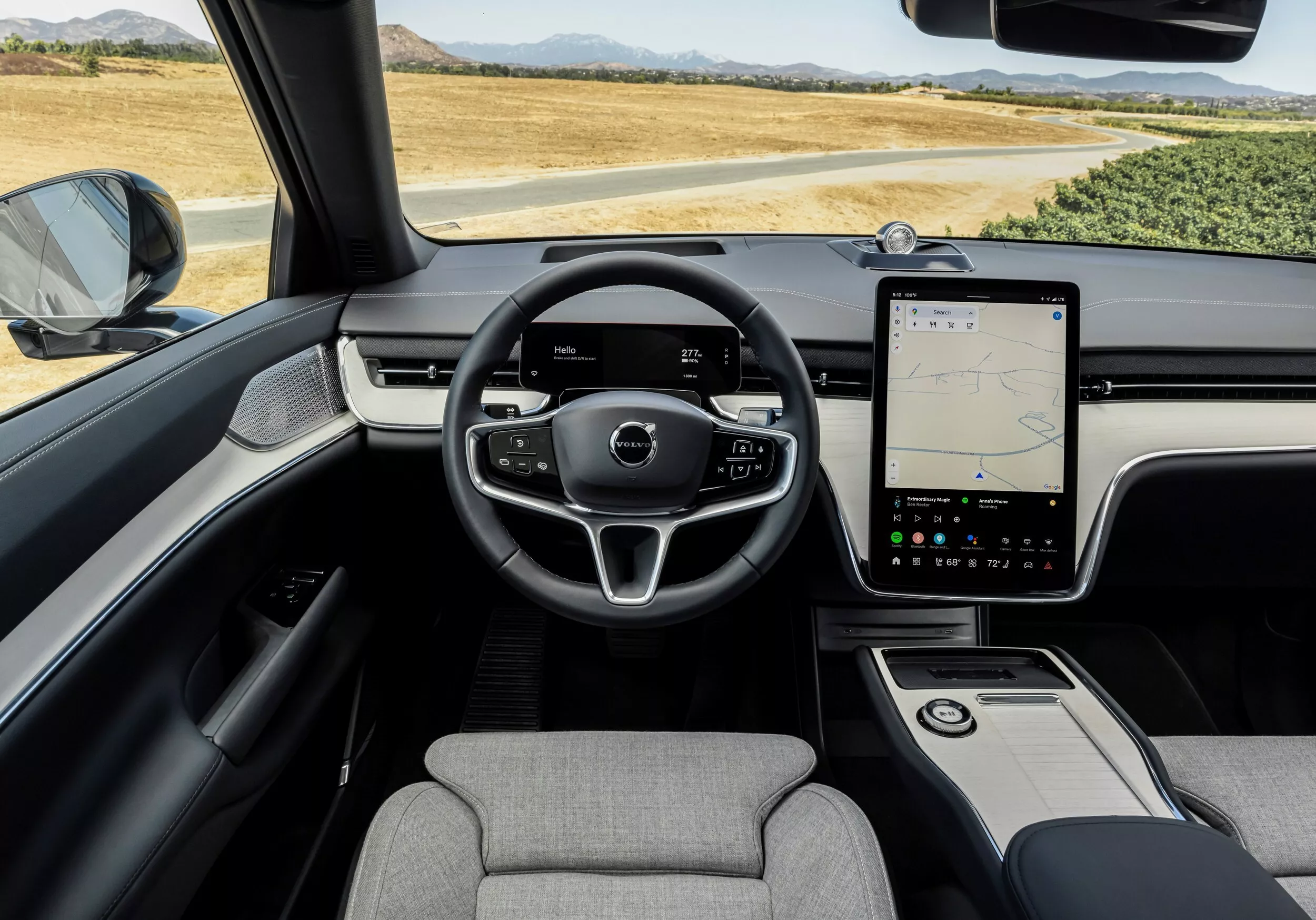
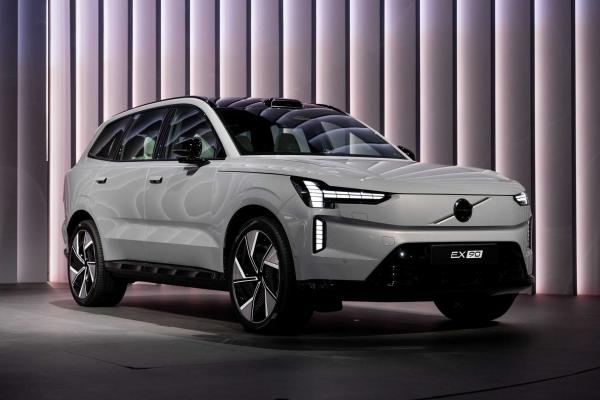
Then there’s the EX90. First shown off in late 2022, it was hyped as a fresh start and the beginning of a new chapter for Volvo’s electric future. However, that chapter opened with a delay.
Software problems pushed the launch from 2023 into 2024, and now that it’s finally out, early sales have been underwhelming. To put it in perspective, only 1,972 EX90s were sold in the U.S. in the first half of this year. Meanwhile, the more familiar XC90 sold over 3,000 units in just one month.
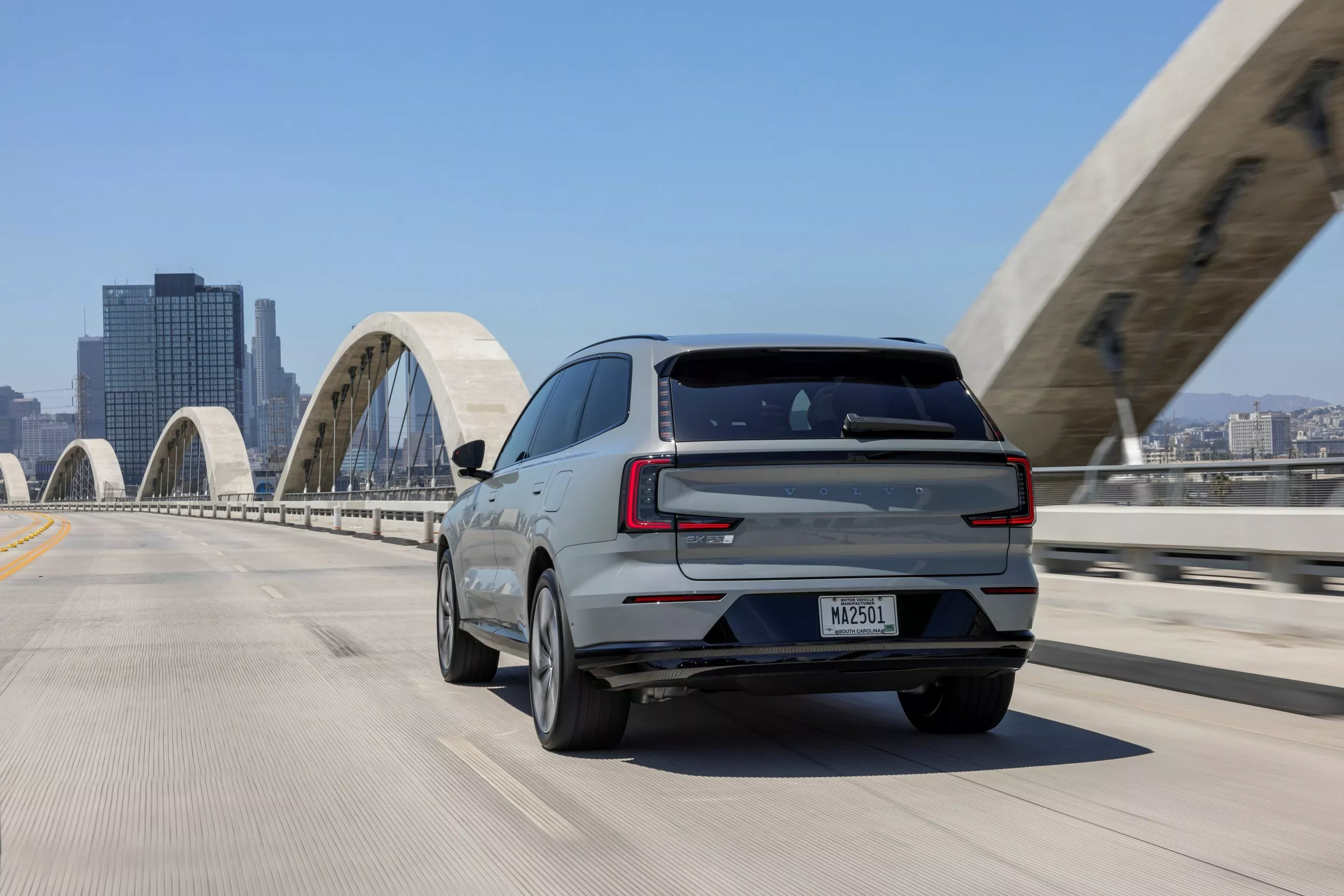
Volvo’s CEO, Fredrik Hansson, admits the company has had to lower its expectations. Between delays, rising costs, and the tariff drama, the EX90 and ES90 aren’t going to bring in the profits they originally hoped for.
Still, Hansson remains optimistic. He says the EX90 isn’t just about today’s sales—it’s about laying the groundwork for Volvo’s future. The tech that went into this SUV, like its new electric drivetrains and in-house computing systems, will be key for upcoming models. It’s a long-term play aimed at keeping Volvo competitive as the auto industry shifts toward software-heavy, electric vehicles.