Uber vs. Taxi in Miami: Which is Safer for Your Ride?

by AutoExpert | 27 February, 2025
So you need to get across town – maybe you're heading to work, meeting up with friends, or exploring Miami's hotspots. You've got your phone in hand and you're deciding: should I call an Uber or hail a cab?
It's not just about which one will get there faster. Safety matters too, right? Having represented clients involved in both Uber and taxi accidents, I've seen firsthand that each option comes with its own set of safety pros and cons.
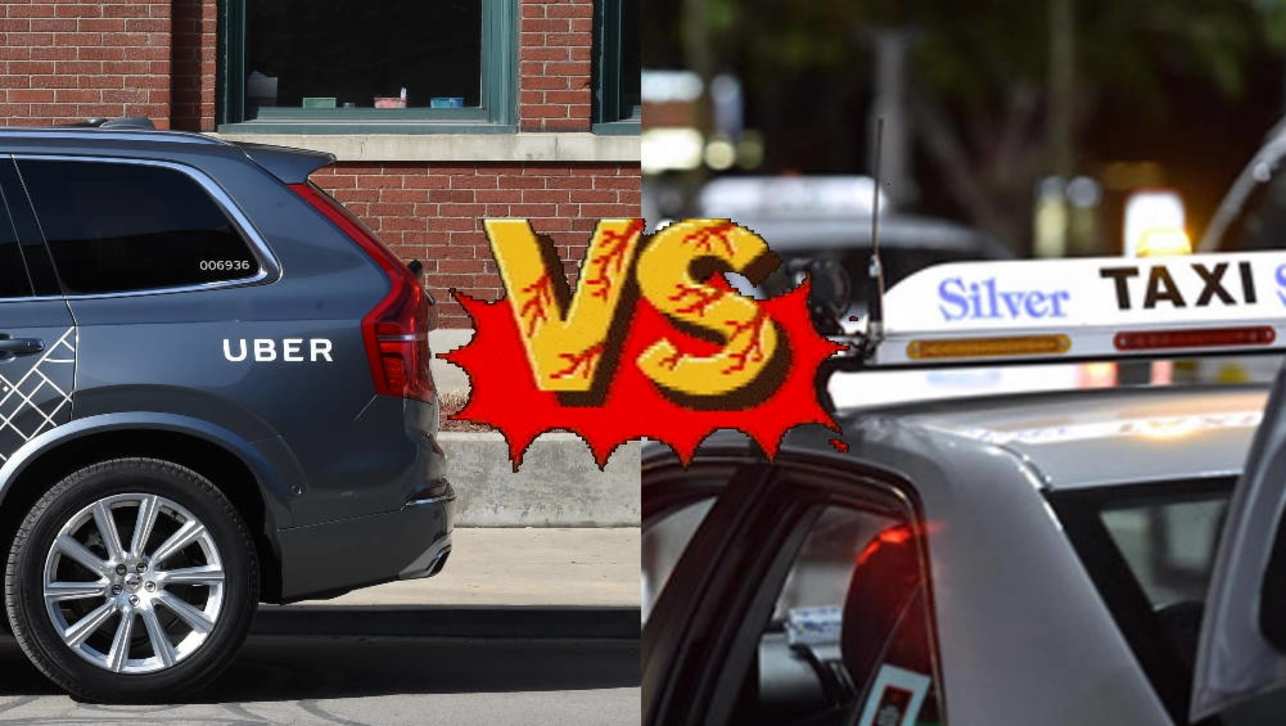
Let me break down what you should know before you tap that app or raise your arm for a yellow cab.
Who's Behind the Wheel?
Ever wonder how thoroughly these drivers are checked out before they pick you up?
In Florida, both Uber and taxi drivers have to pass background checks. Get caught with a DUI or certain criminal offenses within a specific timeframe? No driving for either service.
Miami taxi drivers have one extra hurdle – they need to complete a training program before getting their license. (Though between us, the quality of that training can vary quite a bit.)
Knowing Your Driver
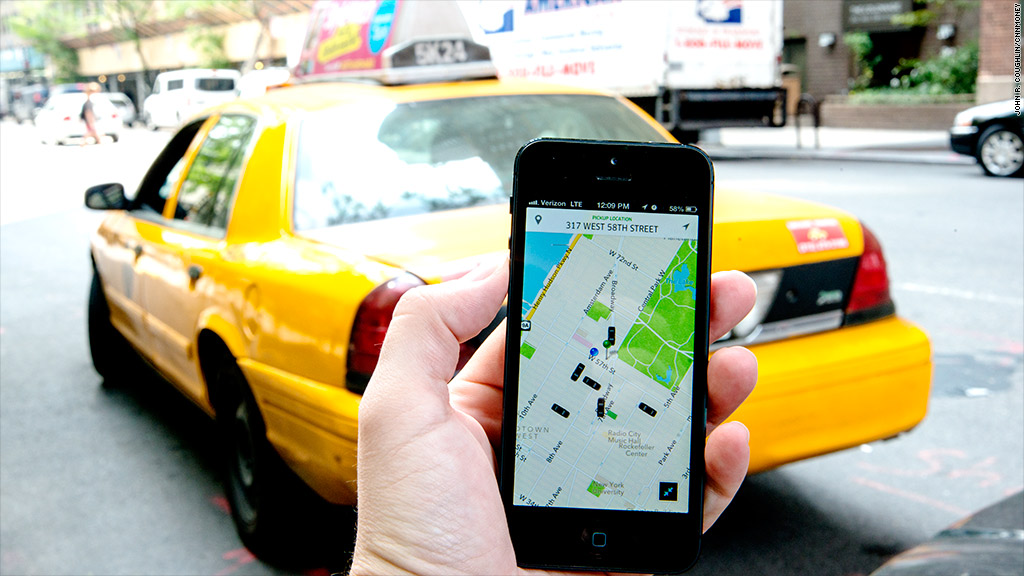
Here's where Uber has a real edge. When you book a ride, you immediately see your driver's profile photo, name, rating, and often how many trips they've completed. Plus, the rating system gives drivers a real incentive to keep things professional and safe – nobody wants those dreaded one-star reviews!
Uber also does this clever thing where they randomly ask drivers to take selfies, which they match against profile photos to make sure the person who's supposed to be driving is actually the one behind the wheel.
With taxis, you'll find the driver's photo and registration number posted inside the cab, but it's pretty bare-bones compared to the Uber profile. And let's be honest – when was the last time you actually checked that taxi ID against the person driving?
That said, no screening system is perfect. Even with all these precautions, bad actors can slip through the cracks in both systems.

What Are You Riding In?
When it comes to the actual vehicles, there are some interesting differences.
Uber won't let drivers use cars older than 16 years. Vehicles need four doors, have to be in good shape, and can't have visible damage. If you're splurging on Uber Black or XL, the standards get even stricter.
Miami taxis follow the city's Code of Ordinances (Section 31-89, if you're curious). They need working AC (crucial in Miami!), clean interiors and exteriors, and functioning doors and windows – among other requirements. But unlike Uber cars, taxis don't automatically "age out" after a certain point.
Both types of vehicles have to meet federal and state safety standards, but the Uber fleet tends to be newer overall, which often means more modern safety features.

Tech That Has Your Back
Uber's app comes with some pretty impressive safety features:
- You can share your trip details with friends or family so someone always knows where you are
- The emergency button in the app calls 911 and automatically sends your location and trip details
- PIN verification makes sure you're getting into the right car
- If your ride goes off-course or stops unexpectedly, RideCheck will ping you to make sure everything's OK
Taxi safety tech is more basic but still effective. Miami cabs all have GPS tracking systems running 24/7, though these don't offer real-time monitoring like Uber's app. They do have two-way radios, so drivers can always reach dispatch in an emergency.
The Actual Experience
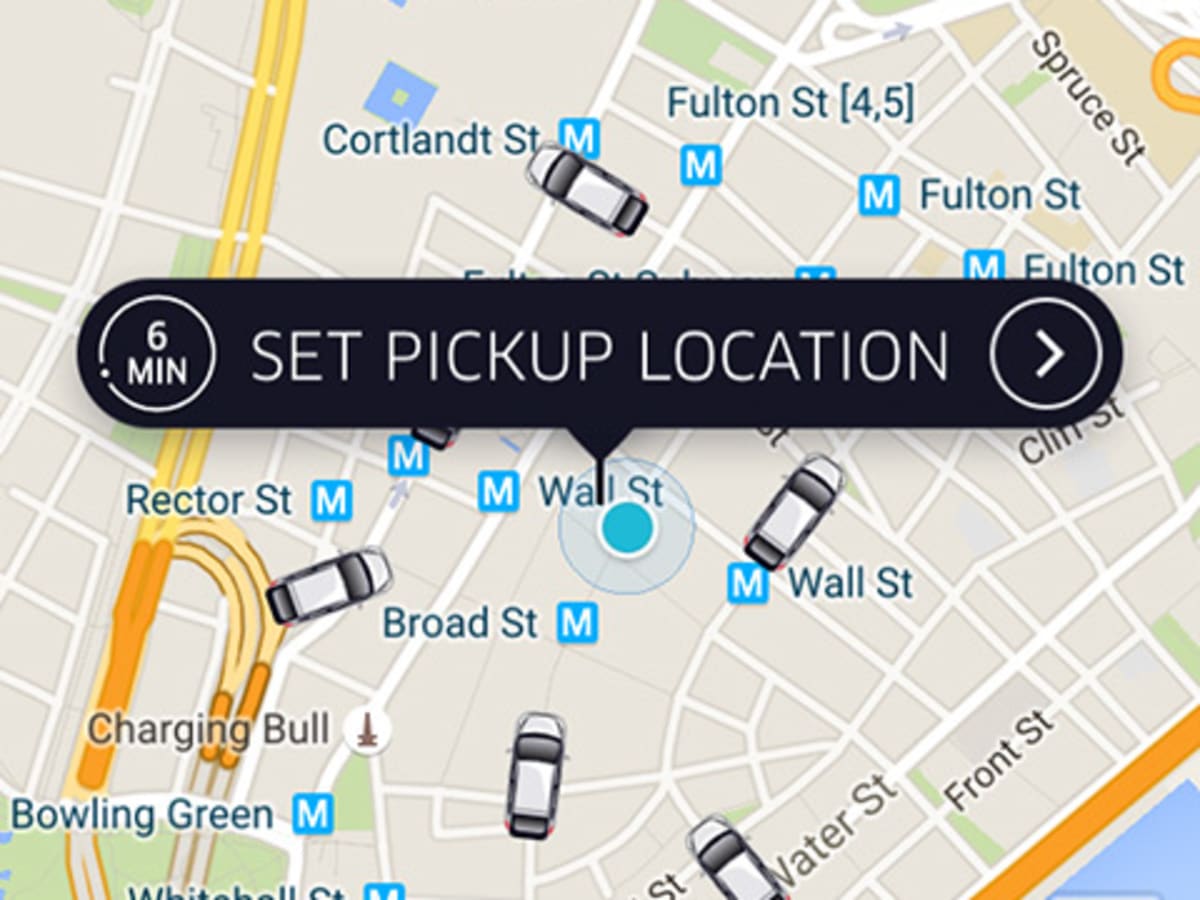
With Uber, you know exactly when your ride will arrive, which means less time standing alone on a dark street corner. The app tells you when your driver is 2 minutes away, 1 minute away... you get the picture.
Taxis can be planned in advance too, but let's face it – most of us are hailing them on the spot, which can mean waiting around in potentially uncomfortable situations.
As for payment, Uber handles everything through the app – no cash needed, no awkward fumbling for your wallet at the end of the ride. Taxi fares often depend on the meter (though some cities have fixed rates for certain routes), and while most now accept cards, some drivers still prefer cash.
One thing to watch for with Uber: those surge pricing notifications. Rates can suddenly jump during busy times or popular events, which isn't ideal when you're trying to budget for your ride.
So which is safer? There's no clear winner – both have their strengths. The right choice often depends on your specific situation, the time of day, where you're traveling, and your personal preferences.
What matters most is staying aware and using the safety features available to you, whichever option you choose!