
Toyota Was Supposed to Be the Safe Bet. So Why Has It Already Recalled 1 Million Cars?
by AutoExpert | 9 April, 2026
Toyota is one of those brands people buy when they are tired of surprises.
That is the whole appeal. You buy the Camry, the RAV4, the Highlander, and the expectation is pretty simple: it will start, it will run, and it will mostly stay out of your life except when it needs gas or an oil change.
So seeing Toyota cross the 1 million mark in recalls this early in the year feels a little jarring.
Not because recalls automatically mean the sky is falling. They do not. But because this is Toyota. When the company that built its name on “nothing weird happens here” starts stacking recalls before summer, people notice.
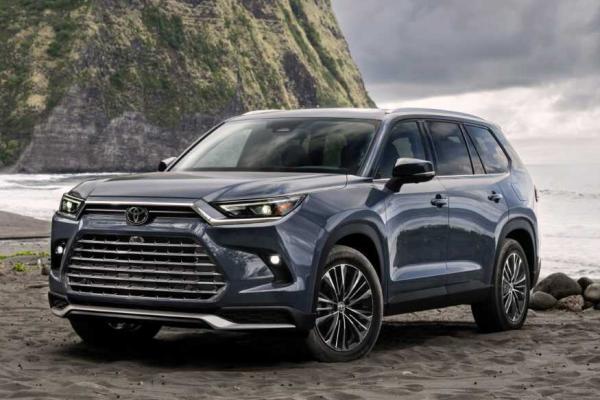
The biggest one so far hits the Highlander, which makes it even more uncomfortable. We are not talking about some niche sports car or a low-volume oddball model. We are talking about one of the most common family SUVs on the road. In this case, the issue involves second-row reclining seats that may not lock properly after being adjusted. And once the words “family SUV” and “seat may not lock properly” show up in the same sentence, nobody is going to shrug that off.
Still, this is where the story gets a little more nuanced.
Toyota is not suddenly the only automaker dealing with this stuff. Far from it. The whole industry is swimming in recalls now. Cars have become rolling networks of sensors, software, driver-assist systems, cameras, modules, touchscreens, and electronics layered on top of the usual mechanical complexity they already had. That makes modern vehicles better in a lot of ways, but it also means there are more things to catch, more things to update, and more things that can go sideways.
So the recall number looks ugly, yes. But a recall itself is not necessarily the scandal people think it is. In plenty of cases, it is the system working the way it is supposed to. A problem gets found, the company admits it, owners get notified, and the fix gets handled before something worse happens. That is a lot better than pretending nothing is wrong and hoping nobody notices.
What this really shows is that even the most trusted brands are not insulated from how complicated cars have become. Toyota still has its reputation for a reason. Nobody wakes up and accidentally becomes the company people trust for reliability. But the days when a strong reputation alone made a brand feel almost untouchable are probably over.
For owners, the takeaway is not panic. It is just: check your car.
That is the boring answer, but it is the right one. Run the VIN, see if there is an open recall, and if there is, get it fixed. It costs nothing and takes less time than most people spend doomscrolling in bed.
And more broadly, this is probably a useful reminder for everyone. Reliability still matters. Brand reputation still matters. But modern cars are complicated enough now that even the “safe” choice is not always as simple as it used to be.