
The Truth About Fuel Additives: Do They Really Enhance Your Car's Performance?
by AutoExpert | 20 March, 2025
Ever spotted those colorful bottles at the auto shop promising to transform your car's performance? Yeah, the ones that claim to be some kind of engine elixir.
For about a fiver, these fuel additives tempt us with tales of automotive miracles – better mileage, smoother running, and an engine that'll supposedly last until your grandkids are driving. But here's the thing – most mechanics just roll their eyes when you mention them.

What's the deal with these potions?
These additives come in all sorts for both petrol and diesel engines. Some claim they'll clean out your fuel system like a pipe cleaner on steroids. Others say they'll banish water from your fuel (which, to be fair, isn't something you want sloshing around in there). Then there are the ones promising to give your catalytic converter a spa day.
In plain English? Pour this stuff in your tank and apparently your car will run better, use less fuel, pump out fewer nasty emissions, and generally be happier than a dog with two tails.

Using them is dead simple
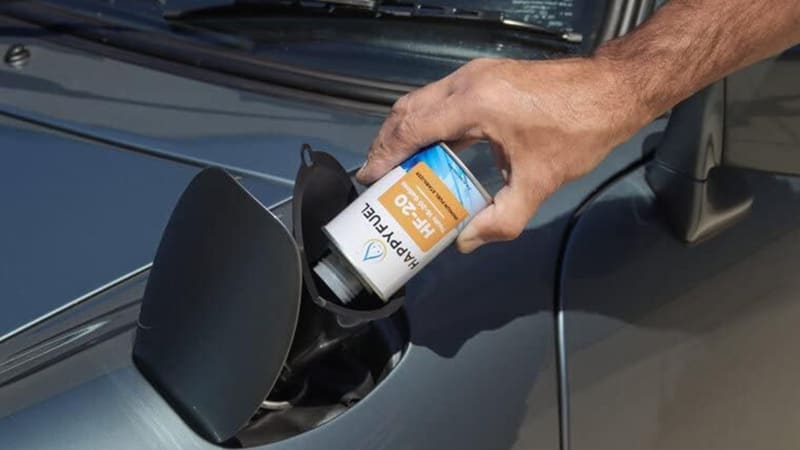
No rocket science here – you just follow the instructions on the bottle, which usually means pouring it into a full tank. The fuel and additive mix together, then flow through your car's system, supposedly cleaning every nook and cranny they touch.
The catch? They mainly make a difference in older cars that have been, let's say, "neglected" in the maintenance department. Got a newer car that's been properly serviced? You'll probably notice the dent in your wallet more than any improvement in your car.

Not all magic potions are the same
Before you start pouring random chemicals into your pride and joy, it's worth knowing what you're dealing with.
Remember leaded petrol? If you're still chugging around in a pre-1992 motor, you might need lead replacement additives since the real stuff went the way of the dodo back in 2000.
Drive a diesel in places where it gets properly freezing? There are additives to stop your fuel turning into a useless sludge. Putting a car into hibernation for the winter? Other additives help keep the fuel fresh.
And if you're trying to resurrect a car that's been sitting idle since Britpop was on the radio, an engine flush might help clear out all the gunk that's built up.

But do they actually do anything?
Here's where it gets a bit awkward. While some additives genuinely help in specific situations, the ones promising better fuel economy are usually just emptying your wallet. Any tiny savings you might see will be gobbled up by the cost of the additive itself.
Which? magazine (those no-nonsense consumer champions) tested a bunch of these products and basically called rubbish on most of them. Some of these additives can jack up the cost of filling your tank by half! Many claim to boost your fuel's octane rating, but none performed as well as just buying the fancy fuel at the pump in the first place.
Let's get real for a second
If your car isn't old enough to have its own Facebook memories and you've kept up with servicing, you probably don't need any of these additives. Modern cars have clever electronics and fuel systems that are already optimized to work their best.
Think about it – if these miracle potions actually worked, wouldn't car manufacturers be recommending them? And wouldn't every petrol station have them on tap?
Actually, in a roundabout way, they do. If you think your car needs a pick-me-up, you're probably better off just treating it to some premium fuel. Even Tesco and Sainsbury's now sell the high-octane stuff for just a few extra pennies per litre. The big fuel companies make all sorts of claims about how their premium fuels clean your engine as you drive.
While the really high-octane stuff is mainly for flash sports cars that need it, you can get premium diesel too. Treating your everyday runabout to a tank of the good stuff occasionally won't hurt it, and might give it the little boost it needs – without the snake oil.