The Smart Driver’s Guide to Trading in Your Car Without Losing Your Mind

by AutoExpert | 12 May, 2025
Let's be real—selling your car privately can be a total headache. Sure, you might pocket more cash, but who needs the parade of flaky buyers, endless messages, and "I'll think about it" responses? If you're nodding your head right now, trading in your ride might be your sanity-saving solution.
We've been through this process more times than we care to admit, and one thing we've learned that with a little prep work, you can walk away from a trade-in feeling pretty good about the deal. Whether you're swapping your electric vehicle, hybrid, or good old gas guzzler, here's my down-to-earth guide to making the process painless; and maybe even enjoyable (gasp!).

Step 1: Know What You're Getting Into
Figure out what you want next
Before you do anything else, decide what car you're eyeing next. This might seem obvious, but trust me—it makes everything easier. If you're hunting for a brand-new ride, you'll want to research local dealerships and maybe even specific salespeople (yep, some are definitely better than others).
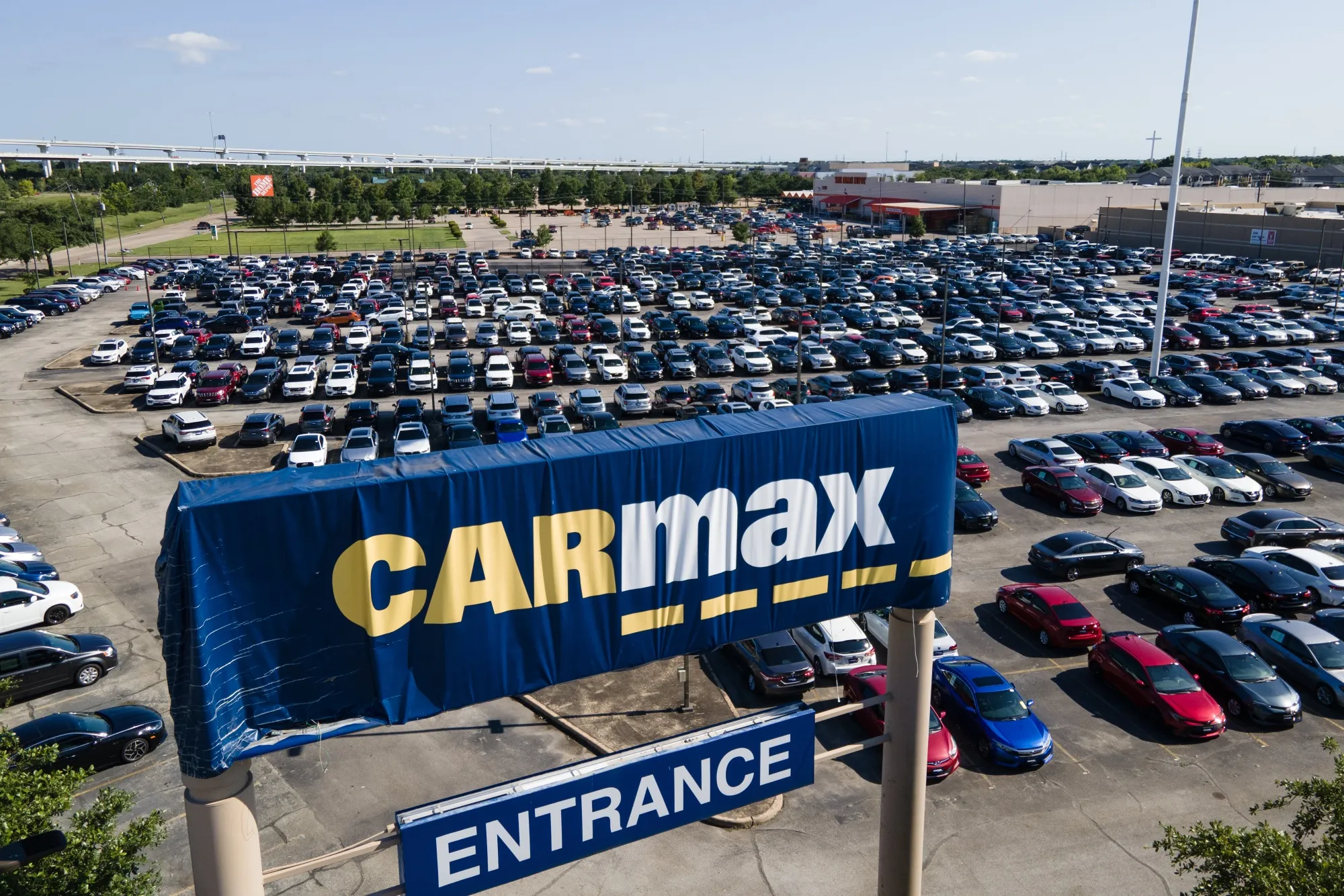
Going for another used car? Places like CarMax make the whole "one-stop-shop" thing pretty convenient, though between us, their trade-in offers tend to be on the stingy side. Just saying.
Get a ballpark figure for your car's value
Don't be that person who gets totally blindsided at the dealership. Take five minutes to check Kelley Blue Book online—it's the go-to for figuring out what your car's actually worth. While you're at it, browse some listings for similar cars. What are dealers asking? What about private sellers? This homework gives you negotiating ammo later.
Step 2: Round Up Your Paperwork
Nothing kills a deal faster than missing documents. Here's what you'll need to bring:
- Your car's title (unless you're still making payments)
- Registration (current, please!)
- Loan info if you still owe money (ideally, try to clear this up beforehand)
- Service records (showing you've actually taken care of the thing)
- Warranty info (if applicable)
- All your keys (including that spare you keep meaning to get copied)

Quick note about outstanding loans: if you still owe money on your car, things get a bit trickier. Most folks find it easier to pay off the loan before trading in, but dealerships can usually help navigate this if needed.
Step 3: Make Your Car Look Like You Give a Damn
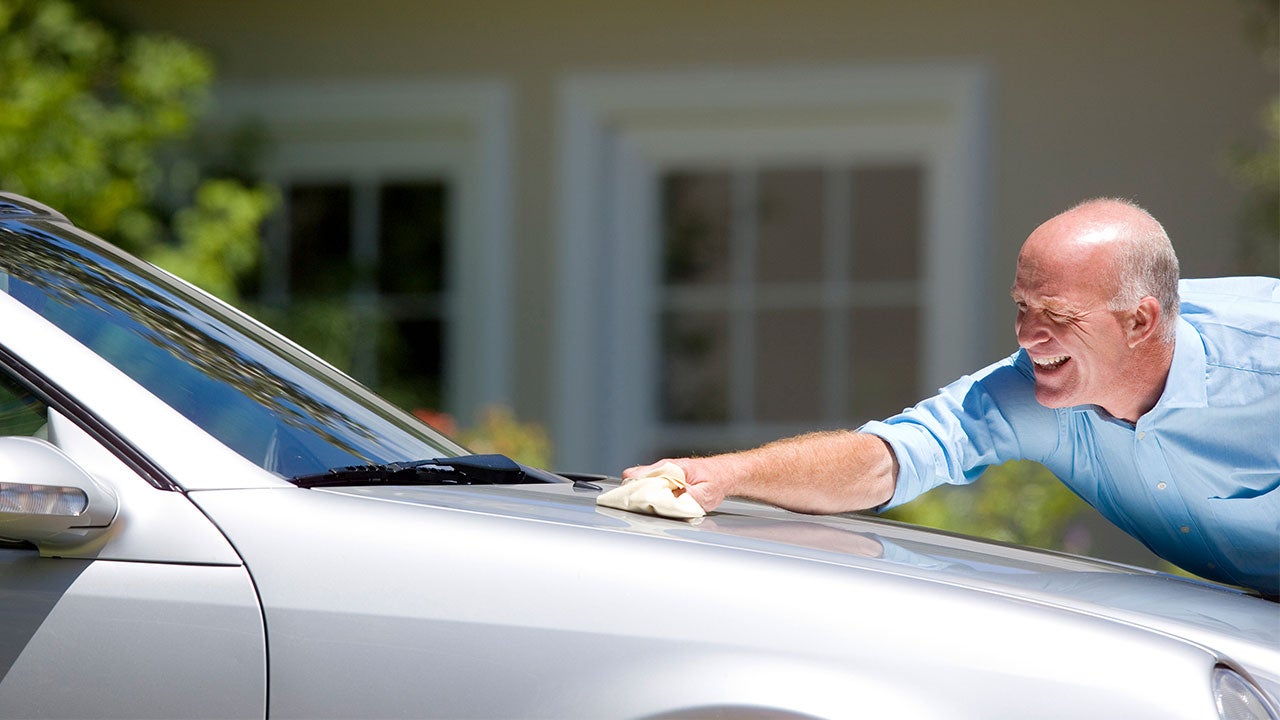
I'm not saying you need to detail it like it's going to a car show, but c'mon—first impressions matter! A decent wash and vacuum can literally add hundreds to your trade-in value.
If you're feeling ambitious, clean the engine bay too. It signals to the dealership that you've maintained the car well, even if you totally forgot that oil change six months ago (we've all been there).
About those mods...
I hate to break it to you, but that expensive exhaust system and those sweet rims you installed? The dealership probably doesn't care. In fact, sometimes modifications can actually lower your trade-in value. Wild, right? If you've got aftermarket parts that you can easily remove and sell separately, that might be your best bet.
Deal with the obvious problems
That check engine light you've been ignoring? The weird noise when you turn left? Yeah, the dealership will notice and knock down their offer accordingly. Same goes for dents, scratches, and that mysterious stain on the back seat. You don't have to fix everything, but be realistic about how these issues will affect your car's value.
Step 4: Channel Your Inner Negotiator
This is where people get sweaty palms, but honestly, it doesn't have to be that bad. The secret? Know your numbers walking in.
Some salespeople will talk numbers over the phone or email, which can be less intimidating. But remember—get. Everything. In. Writing. I've seen too many "that's not what we discussed" moments at signing time.
The dealership will need to see and inspect your car before making a final offer, but having those preliminary discussions can give you a good starting point.

Step 5: Sign and Celebrate
You made it! After the haggling and the inspection and the "let me talk to my manager" dance, you're ready to make it official.
This part happens at the dealership, usually with a salesperson walking you through a small forest's worth of paperwork. Don't be afraid to pump the brakes and ask questions if something doesn't make sense. By this point, though, the hard part is over—you know what you're getting for your trade and what you're paying for the new car.
Once you've signed everything, you can drive away in your new car without the hassle of selling your old one. Pop the champagne! (After you get home, obviously.)
The Good, The Bad, and The Reality Check
The Good Stuff:
- Saves you a ton of time
- Way less hassle than selling privately
- Safer than meeting random internet strangers with cash
- Some dealerships offer trade-in incentives
- You can often drive in with old car, drive out with new one same day

The Not-So-Good Stuff:
- You'll get less money than selling privately (sometimes a lot less)
- Some dealerships can be, um, less than honest
- You might feel pressured to buy from that specific dealer
Bottom Line: A Little Prep Goes a Long Way
Trading in your car doesn't have to be a stress festival. Do your homework on your car's value, clean it up, gather your paperwork, and stand your ground during negotiations.
Is it as profitable as selling privately? Nope. But is it worth the convenience and simplicity for many of us? Absolutely. Sometimes, time and peace of mind are worth more than squeezing out every last dollar.
And hey, when you're cruising in your new ride without having dealt with seventeen "is this still available?" messages, you'll know you made the right call.