The Physics of the Flip: What Does That Tab on Your Rearview Mirror Do
by AutoExpert | 21 January, 2026
It's not decoration; it's saving you from getting blinded at night.
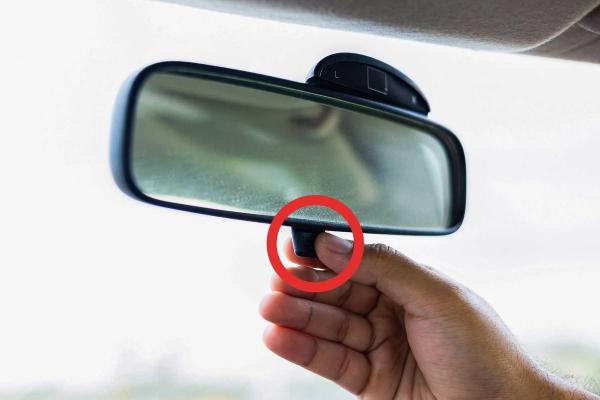
Most people have driven past that little tab on their rearview mirror a thousand times without really thinking about what it does. Turns out it's there to keep you from getting blasted in the eyes by the headlights of whoever's tailgating you at 11 PM.
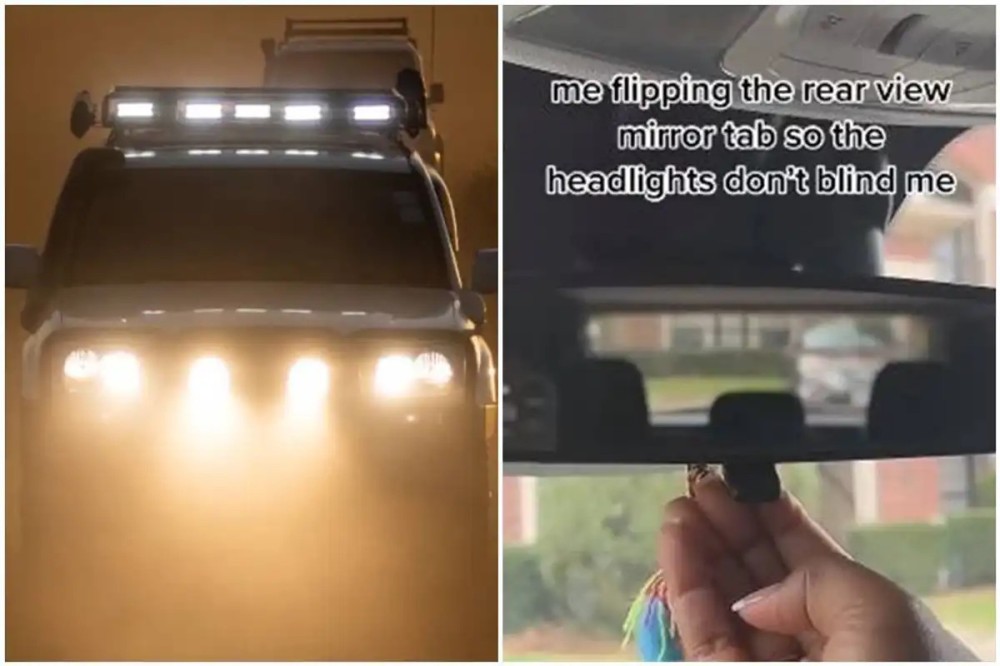
Ford calls it a Manual Dimming Mirror, and the idea is simple—flip the tab toward you and the glare from behind gets way less obnoxious. A lot of newer cars do this automatically now, but plenty of vehicles still have the manual version where you've gotta do it yourself.
How It Actually Works
The mirror isn't just one flat piece of glass. There's a wedge-shaped prism inside that shifts the angle when you flip that tab. In the normal "day" position, the mirror reflects light straight at you like usual. Flip it to "night" mode and it tilts the reflection upward, so those high beams behind you aren't drilling into your retinas.
It's weirdly clever for something that looks so basic. The whole setup relies on the angled glass and prism working together to redirect where the light goes. Simple from your end, but there's actual physics happening back there.
Automatic Mirrors Are Even Better
The problem with the manual tab is you've gotta remember to use it, and messing with it while driving isn't ideal. That's why newer cars have electrochromic mirrors that dim themselves.
They work kind of like those sunglasses that automatically darken when you go outside. Sensors on the front and back of the mirror detect how much light is hitting them, then adjust the tint accordingly. There's a gel layer between the glass and mirror surface that reacts to an electrical charge from those sensors, dimming more or less depending on what's needed.
It happens so smoothly most people don't even notice it working. The mirror just stays at the right brightness for whatever's going on behind you. Doesn't kick in when you're in reverse though, since you actually need to see back there.
Why It Matters
Getting hit with bright headlights while driving isn't just annoying; it's genuinely dangerous. Anything that screws with your vision on the road can lead to bad situations fast. Sun visors help with light from above, but you can't exactly block your rearview mirror without losing your ability to see what's behind you.
That little tab, or the automatic version, solves the problem without making you choose between visibility and not being blinded. It's one of those features that seems tiny but makes a real difference, especially on long night drives when everyone behind you apparently has their brights on for no reason.