
Stellantis Drops Hydrogen Strategy, Citing Poor Market Outlook
by AutoExpert | 17 July, 2025
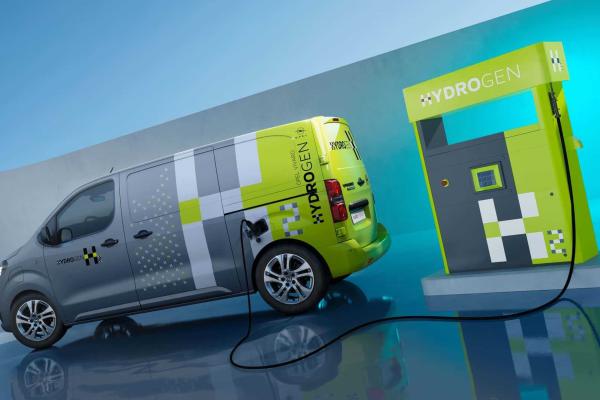
Stellantis has officially dropped its hydrogen plans, making a big change in direction. After investing time and money into hydrogen-powered vans, the company has decided it’s simply not worth the effort. The main reason? Money.
Stellantis admitted that making hydrogen work on a large scale would require massive investment, and even then, customers would still face the harsh reality of barely-there refueling infrastructure. In short, the market’s just not ready, and Stellantis doesn’t see that changing anytime soon. In their own words, hydrogen remains “a niche segment” with “no prospects of mid-term economic sustainability.”
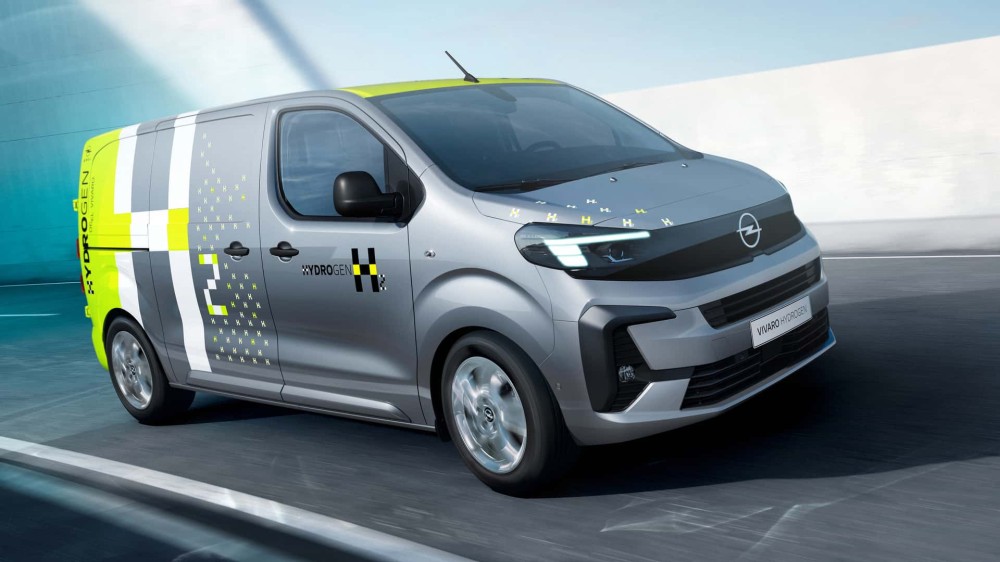
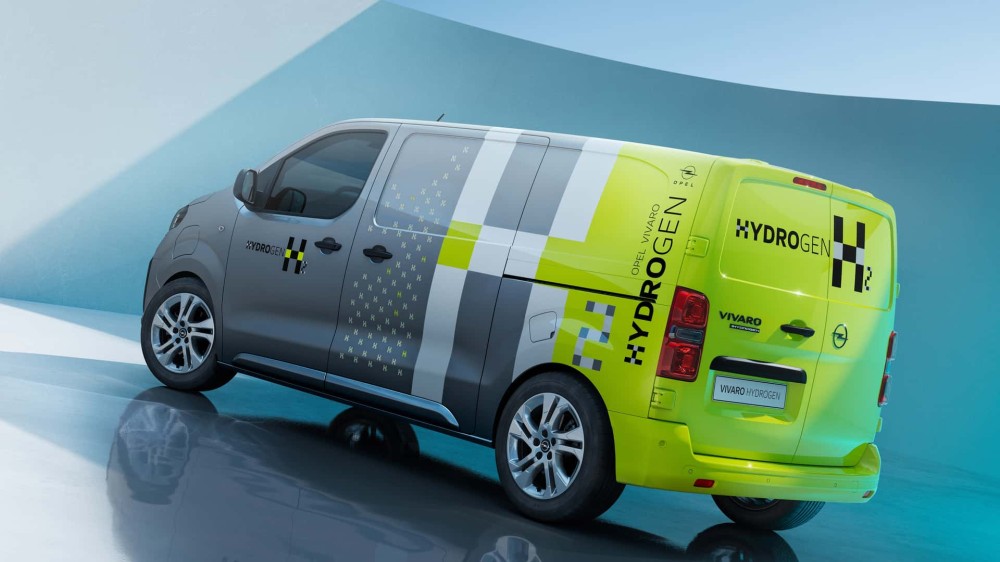
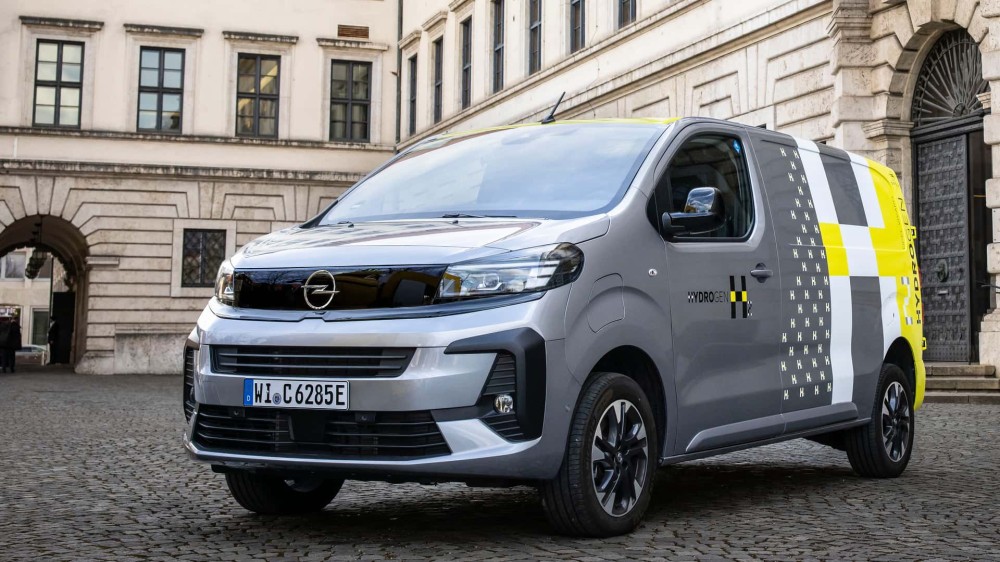
So, what’s getting scrapped? The company had plans to launch hydrogen-powered vans under its Pro One commercial division, with production set for this summer in France and Poland. That’s all off the table now. The good news is that jobs at those plants won’t be affected, and the R&D teams involved will shift their focus to other projects outside of hydrogen and fuel cells.
Earlier this year, Stellantis had high hopes for eight hydrogen-powered vans across its brands, including Citroën, Fiat Professional, Opel/Vauxhall, and Peugeot. That dream is officially over.
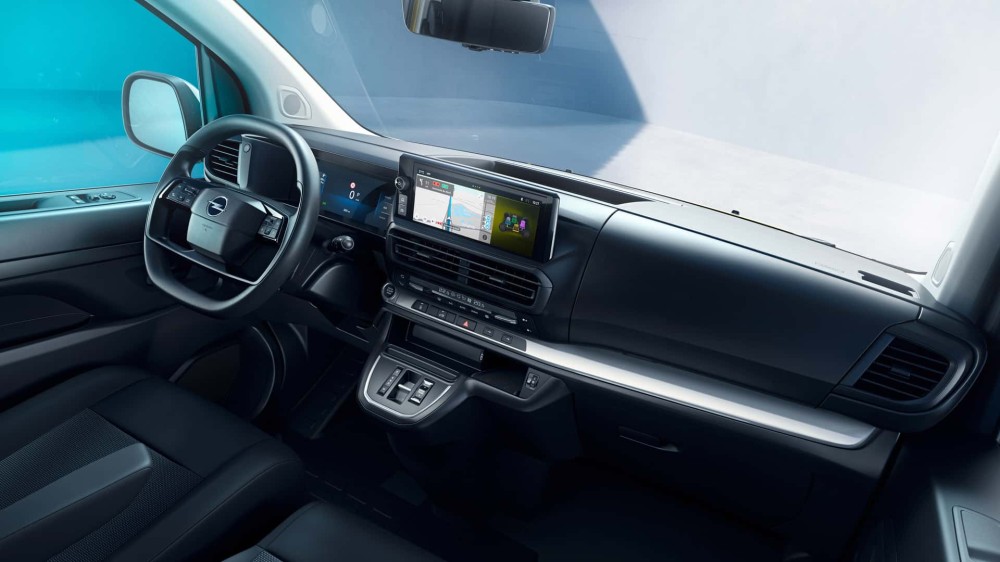
While Stellantis is stepping back, other automakers are still doubling down on hydrogen. Toyota continues to invest heavily (not just in fuel cells but also in hydrogen combustion tech) and is working with BMW on a production hydrogen SUV due in 2028. Hyundai is also sticking with the strategy, with its new Nexo crossover and plans for fuel cell trucks like the Xcient.
Honda isn’t backing down either. It has a next-gen fuel cell module on the way for 2027 that promises lower costs and better durability. Honda also runs a joint venture with GM in Michigan, building fuel cells for both brands.
Meanwhile, Volkswagen has made its stance pretty clear: hydrogen isn’t happening for passenger cars, at least not this decade. According to the former CEO, the tech isn’t practical because the tanks take up too much space, and the economics don’t add up.
Even so, a few automakers still see potential. Alpine teased a hydrogen-powered V6 supercar, and Renault showed off a concept wagon using a mix of fuel cell and battery power. But the message is consistent: without proper infrastructure, none of this matters.
Until hydrogen is as easy to refill as gas or charging an EV, these big plans won’t go far.