
Stellantis Admits €22 Billion Loss After EV Push Backfires
by AutoExpert | 10 February, 2026
Stellantis just slammed on the brakes - hard. The company is now admitting it’s sitting on around €22 billion in losses, and a big chunk of that comes from EV plans that were way too optimistic for the real world. Investors freaked out, the stock got hammered, and shares dropped close to 30 percent.
That’s the worst slide Stellantis has seen since it was stitched together in 2021. Brutal.
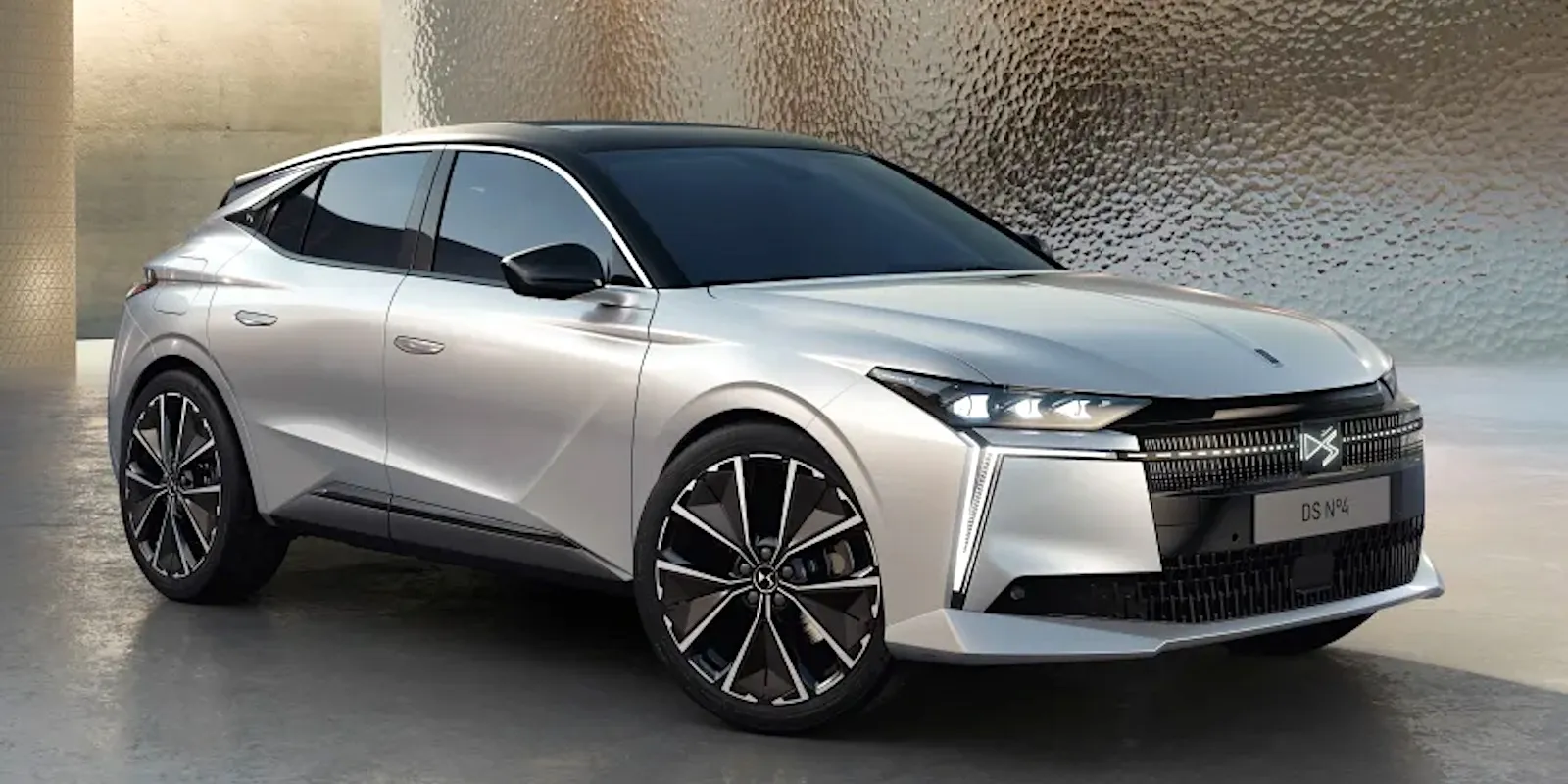
This isn’t just a Stellantis problem, either. The whole industry is quietly backing off the “all-EV, right now” dream. Incentives are shrinking, especially in the U.S., and buyers just aren’t rushing to electric cars the way executives thought they would. For Stellantis, that stings extra hard because its cash cows are Jeep SUVs and Ram trucks - stuff people want loud, big, and gas-powered, not plugged into a wall.
The old boss, Carlos Tavares, pushed big EV promises: all electric in Europe and 50 percent EV sales in the U.S. by 2030. Reality checked that plan real fast. U.S. sales slid, patience ran out, and Tavares was gone by the end of 2024.
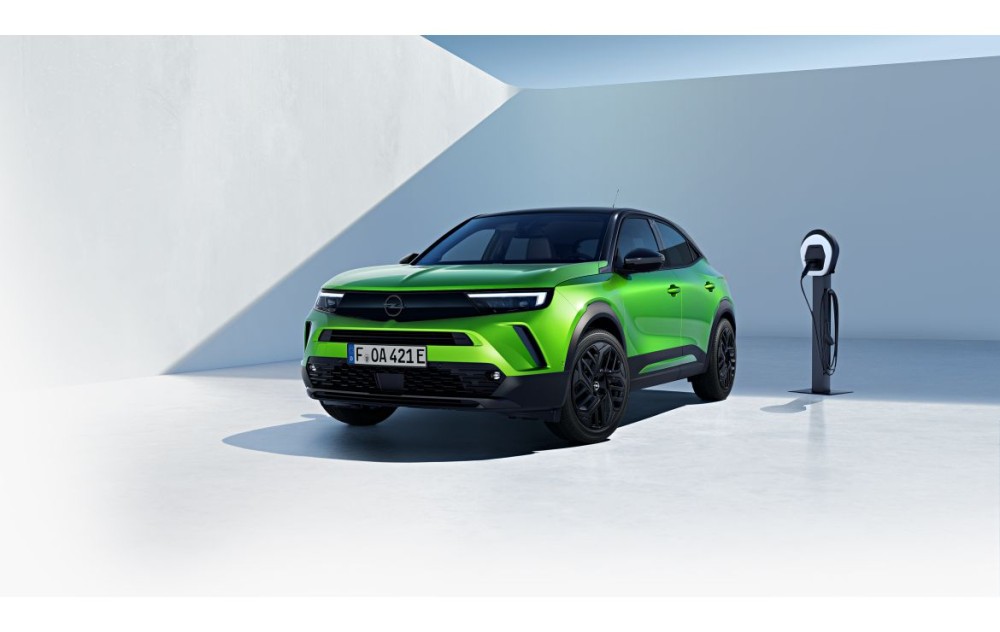
The numbers don’t lie. EVs still make up less than 20 percent of sales in Europe and under 8 percent in the U.S. New CEO Antonio Filosa seems to get it. Since taking over, he’s been dialing things back, like selling part of a battery plant deal, bringing gas models back into focus, and trying to fix quality issues caused by years of aggressive cost-cutting. Stellantis even had to hire about 2,000 engineers just to stop the bleeding.
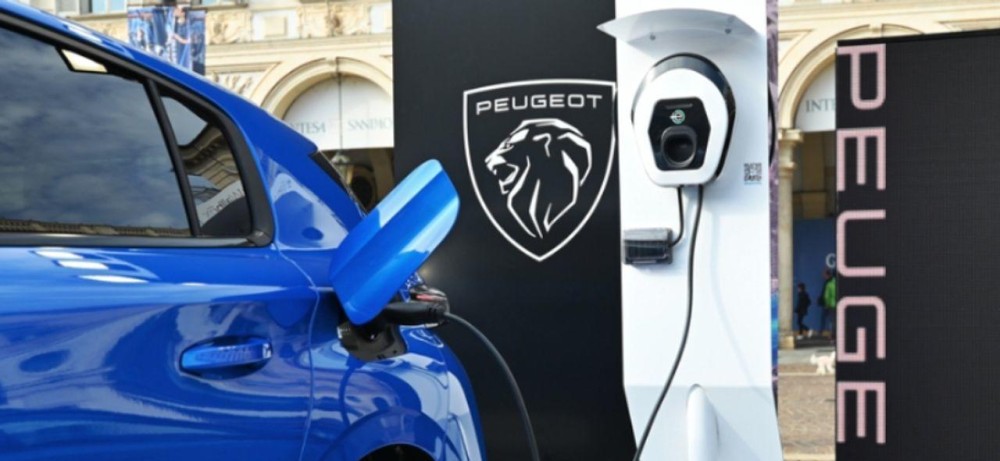
What’s next? More pain. The company expects another €19–21 billion loss in the second half of 2025 and won’t pay dividends this year. Full numbers drop on February 26. Hot take: Stellantis didn’t fail because EVs are bad. It failed because it tried to outrun the market rather than listen to it. Now it’s paying the price, and learning the lesson the expensive way.