
A Semi Isn’t Just a Big Truck, and That Difference Actually Matters More Than People Think
by AutoExpert | 1 July, 2026
A lot of people use “semi-truck” and “truck” like they mean the same thing. That makes sense until you stop and actually look at them.
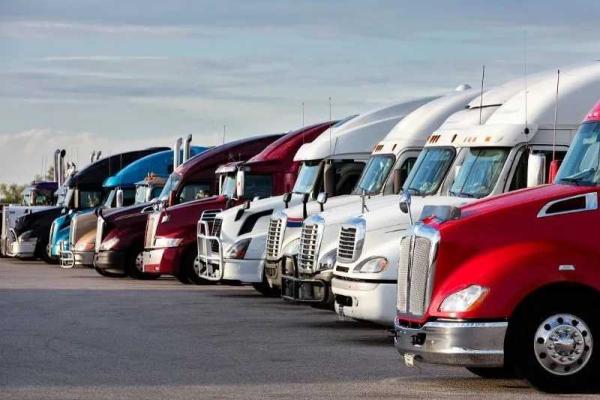
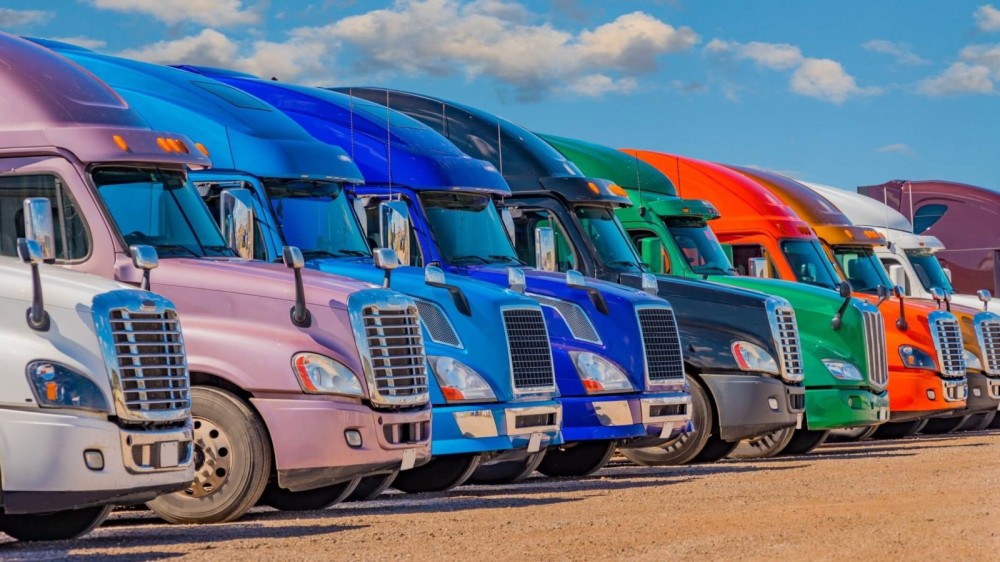
Because once you do, the difference is pretty obvious. A semi-truck is built to pull a separate trailer. A full truck, usually what people mean when they say box truck or straight truck, carries its cargo on the same frame as the cab. One is basically a towing machine with a detachable load behind it. The other is one complete unit from nose to tail.
Simple enough.
The funny part is that the word semi throws people off more than it should. It sounds like it is describing the truck itself, as if it is only half a truck or some lesser version of one. That is not what is happening. The “semi” part originally referred to the trailer setup, specifically the fact that the trailer was only partly supporting itself. The front end relied on the towing vehicle. Over time, people shortened the whole idea down to “semi-truck,” and now that is what everybody says, even if the wording does a bad job explaining itself.
Once you get past the name, the real difference comes down to how the vehicle is built and what it is meant to do.
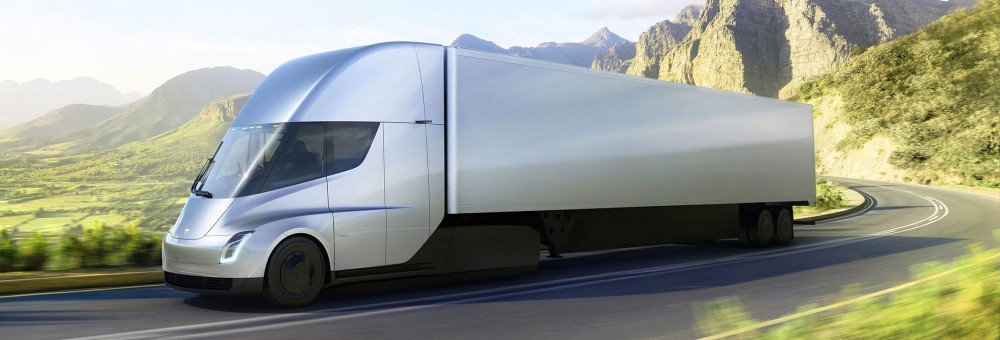
A semi is the heavyweight. It exists to haul serious cargo, over serious distances, in serious quantities. That is its whole reason for living. The cab and trailer are separate, which makes the whole setup more flexible. Drop one trailer, pick up another, move different kinds of loads without changing the actual tractor. That is why semis dominate long-haul freight. They are built for volume, efficiency, and the kind of hauling that would make a normal delivery truck feel insulted.
A straight truck is a different tool for a different job.
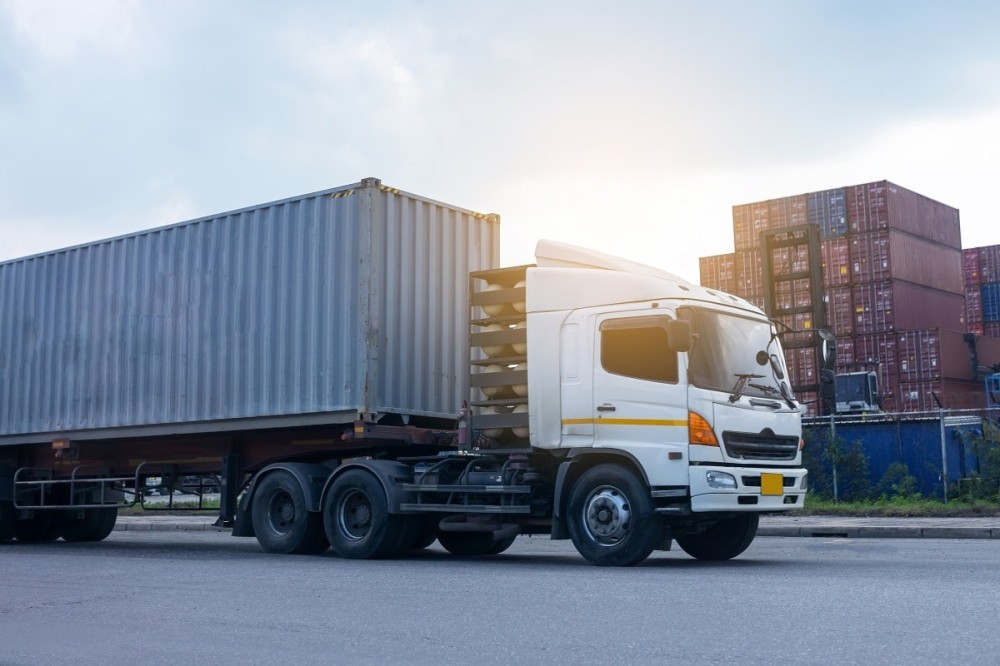
With a full truck, the cargo box or bed is attached directly to the truck’s frame. Everything is one piece. That makes it simpler, shorter, and usually easier to manage in tighter places. It is the kind of truck that makes more sense for city deliveries, local routes, furniture moving, utility work, or anything involving narrower streets and more frequent stops. If a semi is built for crossing states, a box truck is built for finding the loading dock behind a strip mall without taking out a stop sign.
That difference matters a lot once cargo enters the conversation.
Semis can carry a lot more. They are longer, heavier, and built to handle much bigger loads. A straight truck simply is not playing the same game. Even the bigger full trucks top out well below what a Class 8 semi setup is allowed to haul. That is why nobody is using a typical box truck to move the kind of freight a semi handles every day. It would be like showing up to move a grand piano with a station wagon and a positive attitude.
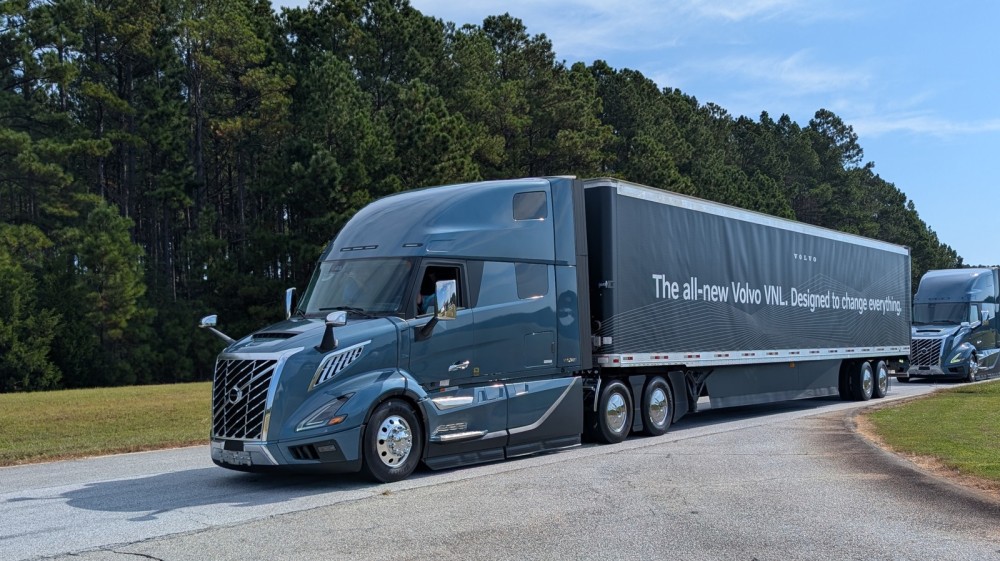
But bigger is not automatically better.
A full truck can be the smarter choice when the route is tighter, the load is smaller, and the job is more local. It is easier to maneuver, usually cheaper to buy and run, and does not always require the same level of licensing. That last part matters more than people realize. Some full trucks can be driven without a CDL if they stay under certain weight limits, which makes them much more accessible for smaller businesses, local operations, and drivers who do not want to go through the full commercial licensing process.
That is part of why both types still matter so much.
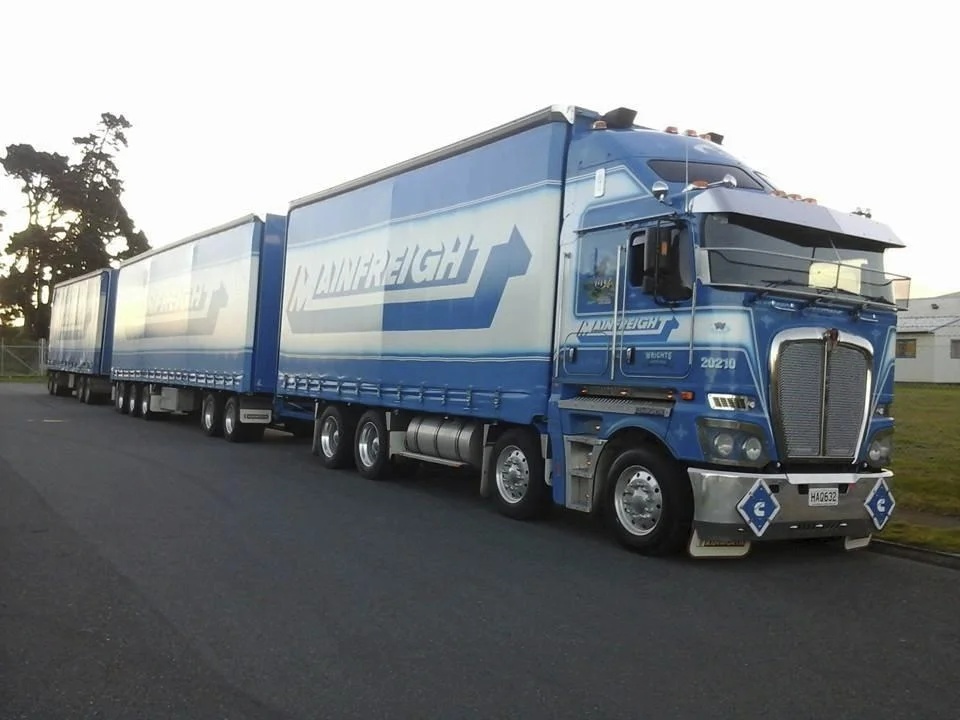
They are not competing versions of the same thing. They solve different problems. A semi is what you use when the mission is scale. A full truck is what you use when the mission is access, simplicity, or shorter-distance work. One is built to dominate highways. The other is built to survive side streets, delivery zones, and awkward turns behind buildings where nobody designed the space with trucks in mind.
And honestly, that is probably the easiest way to think about it.
A semi-truck is a tractor plus a separate trailer.
A full truck is one complete cargo-carrying unit.
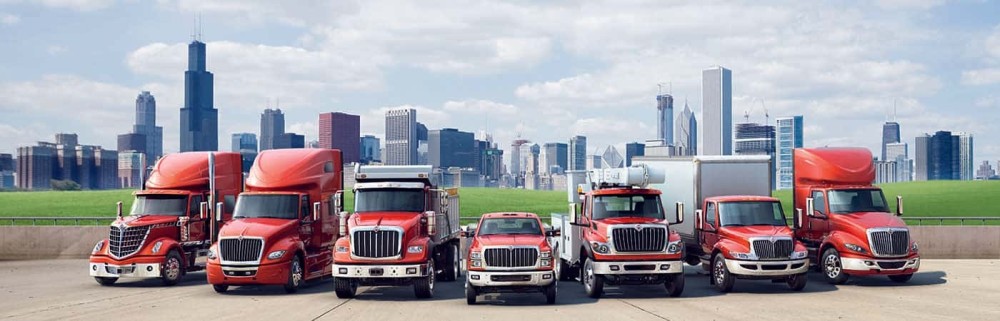
Everything else flows from that.
The semi gets the big loads, the long routes, and the interstate life. The full truck gets the tighter routes, the local work, and the jobs where being smaller is actually the advantage.
So no, a semi is not just a “bigger truck.”
It is a different kind of truck, built around a different idea of how hauling should work. And once you understand that, the whole naming mess stops being confusing.
Mostly.