Selling Your Car? Don't Forget the License Plates!
by AutoExpert | 29 July, 2025
Selling a car should be straightforward - hand over the keys, collect the cash, wave goodbye. But then there's that awkward moment when everyone's staring at the license plates wondering what the hell to do with them.
It's one of those things that seems obvious until it's not. Do the plates stay with the car? Go back to the DMV? Get transferred to a new ride? The answer depends on where someone lives, because every state has its own quirky rules about this stuff.
Check the Local Rules First
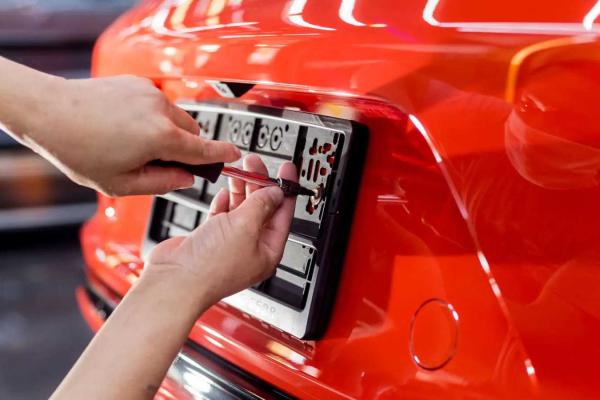
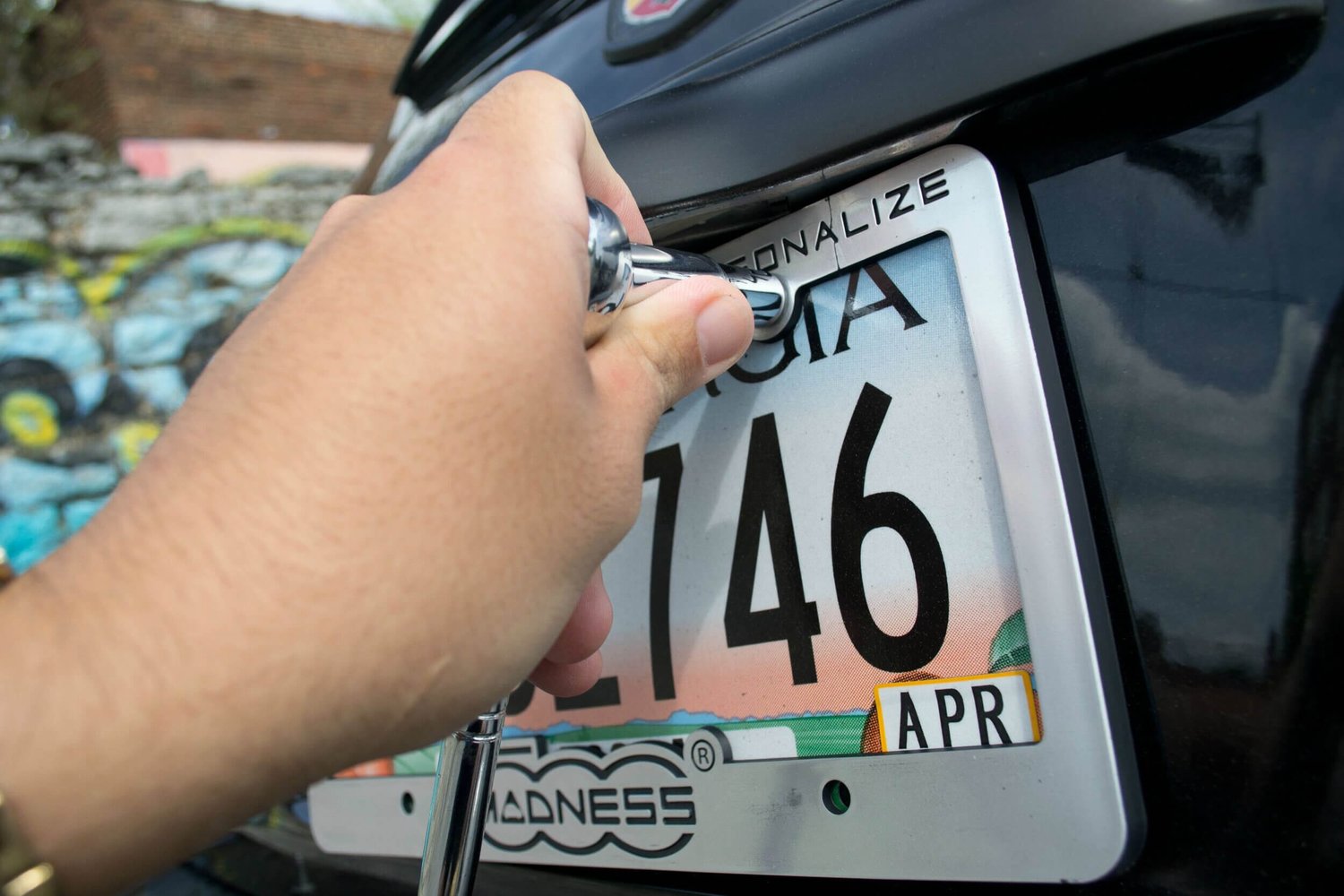
Before doing anything, it's worth looking up what the state actually requires. Some places want those plates removed before the new owner drives off. Others are fine with them staying put. The DMV website usually has this info buried somewhere, though finding it might require some detective work.
Most states let people transfer plates to another car they own, which is handy if there's a vanity plate involved that took months to get approved. Nobody wants to lose "FAST4U" or whatever clever combo they managed to snag.
If there's no new car in the picture, many states want the plates returned to the DMV. It's not just bureaucratic nonsense - returning them officially disconnects the seller from the car, which means no surprise parking tickets or toll charges showing up months later.

The Handoff
Smart sellers have this conversation with buyers upfront. If the plates need to come off, the buyer should know they'll be driving to the DMV for new ones. Nobody likes surprises, especially when they involve more paperwork and fees.
Documentation is key here too. A bill of sale should mention what's happening with the plates - whether they're staying, going, or getting transferred. It's one of those details that seems minor until someone needs to prove who owned what when.
After the Sale
Once the deal's done, there are a few loose ends to tie up. The insurance company needs to know the car's gone so they can stop billing for coverage. And if there are any outstanding tickets or toll charges tied to those plates, now's the time to clear them up. Nobody wants old parking tickets becoming the new owner's problem.
Some states even offer registration refunds if there's time left on the plates. It's usually not much money, but hey - every little bit helps.

Special Situations
Personalized plates are a different beast entirely. People get attached to clever combinations they've had for years. Most states will let someone keep custom plates when selling, either as a memento or to slap on the next car. There's usually a small fee and some paperwork involved, but it beats losing "2FAST4U" forever.
Moving to a different state while selling adds another wrinkle. Generally, old plates need to go back to the original state while new ones get issued wherever the person's headed. It's worth checking both states' rules to avoid any mix-ups.
For regular plates that are just going away, many DMVs will recycle them. If not, local recycling centers often take metal plates. It beats having them sit in a garage drawer for the next decade.
The Bottom Line
Every state does this differently, so there's no universal answer. When in doubt, a quick call to the DMV can clear things up. They deal with this question all day long and usually have the process down to a simple checklist.
The key is handling it before problems pop up later. A little planning upfront saves everyone from headaches down the road - like getting toll violations for a car that's been gone for months or having the new owner struggle to register their "new" ride because the plates are still tied to someone else's name.
It's just one of those adulting things that nobody really thinks about until they're standing in a driveway with keys in one hand and license plates in the other, wondering what comes next.