
Selling a Car with a Blown Engine: What You Need to Know
by AutoExpert | 29 July, 2025
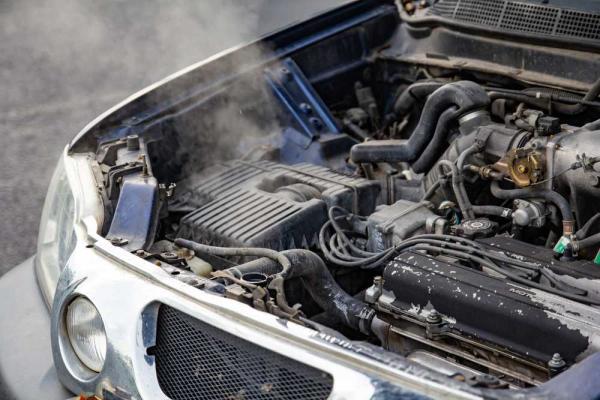
Picture this: there's a car in someone's driveway that sounds like a dying whale every time they turn the key. The engine's basically a boat anchor at this point, but they desperately need the thing gone. Can they actually sell this rolling disaster without ending up in legal trouble?
Hell yes, they can. But there's a catch - they can't be sneaky about it.

Don't Be That Guy
Look, every state has some version of "don't screw people over" written into their laws. If someone knows their engine is fried, they absolutely have to tell buyers about it. Period. End of story.
This isn't just about karma or sleeping well at night. Get caught pulling a fast one, and they could end up dealing with angry buyers, lawsuits, and enough legal bills to buy a decent used car. Nobody wants that headache.
The smart play? Write it all down. When someone comes to look at the car, hand them a piece of paper that says "Hey, this engine is toast" and have them sign it. Keep a copy somewhere safe. It's like insurance against people getting amnesia about what they agreed to buy.

The Magic Words: "As-Is"
Most folks selling problem cars throw around the term "as-is" like it's some kind of legal shield. And honestly, it kind of is. It basically means "you're buying this thing exactly as it sits, warts and all."
But here's where people mess up - "as-is" doesn't mean "hide everything that's wrong." The seller still has to spill about known problems. The "as-is" part just means they're not promising to fix anything once money changes hands.
Think of it like buying a beat-up couch at a yard sale. The seller might tell you the springs are shot, but once you load it in your truck, it's your saggy couch to deal with.

What's This Thing Actually Worth?
A car with a dead engine is worth about as much as you'd expect - not a whole lot. Those online car value websites are pretty useless here because they assume the thing actually starts and drives.
Getting a mechanic to take a look can help figure out if it's truly dead or just really, really sick. Sometimes what sounds like the apocalypse under the hood is actually something fixable. Other times, the engine is basically scrap metal shaped like car parts.
To Fix or Not to Fix
This is where things get interesting. If throwing money at the engine will add more value than it costs, maybe it's worth fixing. But engine work ain't cheap - major repairs can cost more than some people's entire cars are worth.
On the flip side, there's a whole world of people out there who love buying broken cars. Shade tree mechanics, weekend warriors, and folks who just want cheap wheels don't mind getting their hands dirty. Sometimes it's easier to find one of them than to dump money into repairs.
Finding Someone Who Actually Wants It
The trick is finding buyers who see opportunity instead of problems. Car forums, Facebook groups for gearheads, and Craigslist's auto parts section are goldmines for this stuff.
Being straight up in the ad makes everyone's life easier. "Project car - engine needs work" beats the hell out of some vague description that makes people think they're getting a runner. The right buyer will actually appreciate the honesty because they know what they're getting into.
When to Just Give Up
Sometimes the best move is admitting defeat and parting the thing out. If nobody wants to buy a whole car that doesn't run, there might be good money in selling it piece by piece.
Individual parts can be worth surprising amounts to people fixing up similar cars. The transmission, electronics, wheels, interior bits - all of that stuff has value to someone. It's more work than selling the whole car, but it can pay off.

The Real Deal
Bottom line: selling a car with a blown engine isn't going to land anyone in jail, but they've got to play it straight. Tell people what's wrong, get it in writing, and price it like what it is - a car that needs work.
The absolute worst thing someone can do is try to pull a fast one and hope the buyer doesn't notice until they're halfway home. That's how people end up with angry phone calls, bad reviews, and lawyers getting involved. Way better to be upfront from the start and find someone who actually wants what they're selling.