

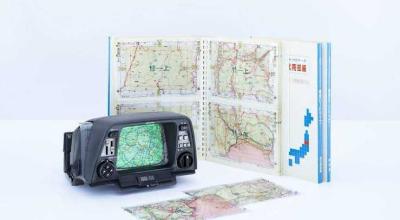
There was a time when getting lost required some commitment. A driver would unfold a road map across the steering wheel, locate two towns that appeared to be printed directly on top of one another, th
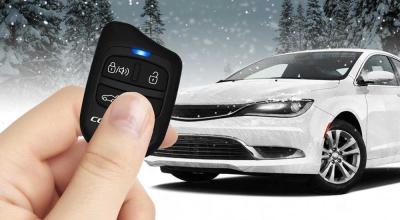
Starting a modern car requires so little effort that the action barely registers. Turn a key, press a button or let the vehicle recognize that its driver has climbed aboard. A second later, the engine
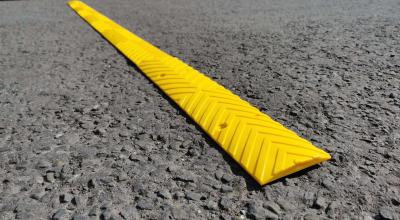
One tire wanders across the painted line and the previously quiet cabin erupts with a harsh mechanical growl. The steering wheel trembles, the seat vibrates and, for half a second, it feels as if some
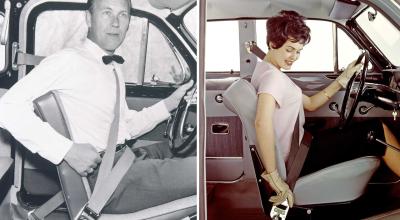
Open the door of certain 1980s or early 1990s cars and a small buckle begins travelling along the roofline. Sit down, close the door and the shoulder belt glides toward the B-pillar, hopefully passi
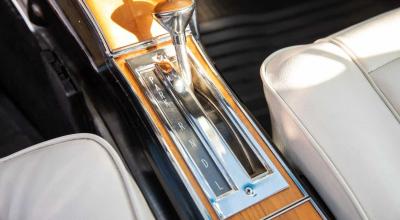
A driver can move between unfamiliar modern cars and still understand the transmission selector within seconds. Park sits at one end, followed by Reverse, Neutral and Drive. Lower ranges, manual modes
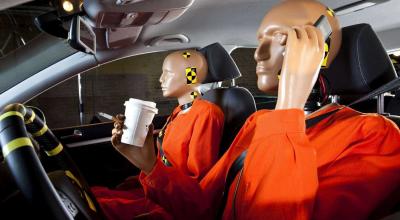
Long before a crash-test dummy sat behind the wheel of a family sedan, one was strapped into an aircraft ejection seat. Its assignment involved rocket sleds, aviation helmets and the violent forc
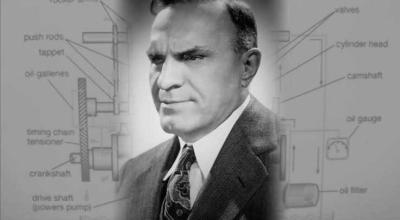
Every passenger knows the type of driver. Conversation begins, the accelerator relaxes and the car gradually slows. The driver starts speaking, enthusiasm builds and the speed rises again. Nothing dan
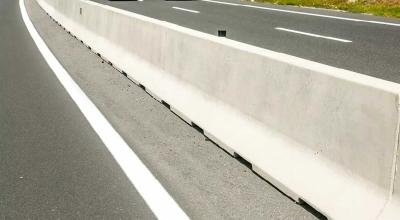
A concrete barrier beside a highway looks like one of the least forgiving objects a car could encounter. It is heavy, rigid and often positioned only a few feet from traffic moving at serious speed.
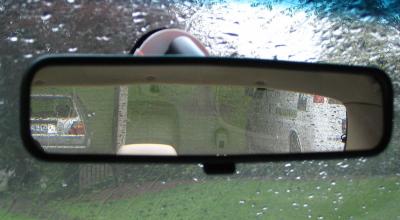
The usual history of the rearview mirror is wonderfully neat. Ray Harroun entered the first Indianapolis 500 in 1911 with a mirror attached to his Marmon Wasp. He drove alone while his competitors
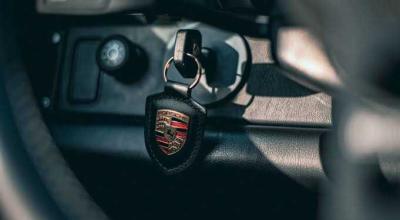
Climb into a traditional Porsche and the ignition appears on the left side of the steering wheel. Most cars place it on the right, close to the driver’s dominant hand and safely within the