
Nissan and Zagato Built a Luxury Coupé With Its Mirrors Buried in the Front Wings

by AutoExpert | 26 October, 2026
The Autech Zagato Stelvio was a limited-production luxury coupé introduced in 1989, combining Nissan-based engineering with Zagato bodywork. Its unusual front wings incorporated the exterior mirrors, giving the car one of its most recognizable features.
Look at the Stelvio from the front and it takes a moment to work out what has happened. The bonnet sits between two bulky shoulders. There are no familiar mirrors sticking out beside the windows. Instead, the mirror housings have been worked into the front wings, as though the body has grown around them.
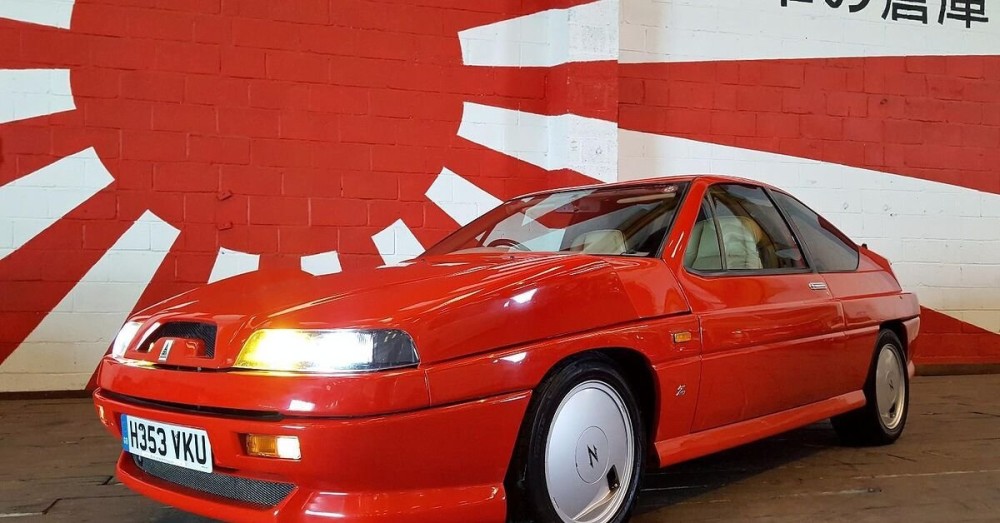
Whether that looks magnificent or faintly alarming will depend on the observer. Either way, it is difficult to confuse with anything else.
The car came from Autech, Nissan’s specialist operation, working with the Italian coachbuilder Zagato. Introduced in 1989, it arrived only three years after Autech’s establishment. For a young company, commissioning something this conspicuous was quite an introduction. The project included dedicated engine and chassis tuning as well as distinctive bodywork and an altered interior.
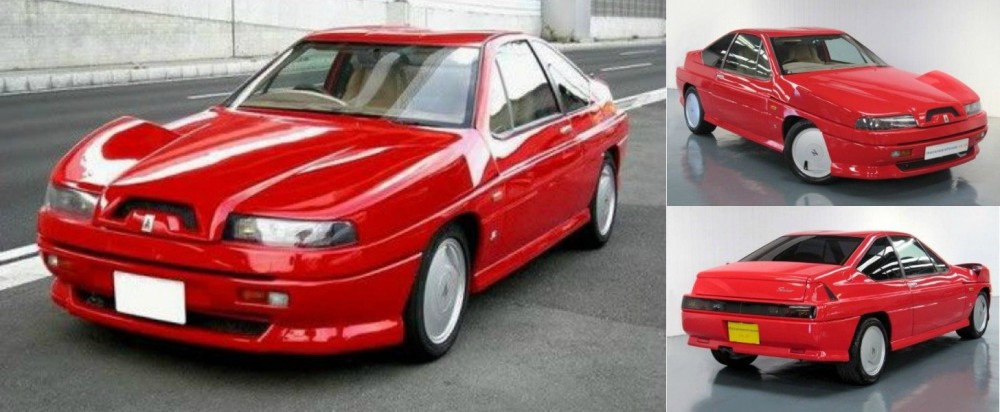
Underneath was a connection to the Nissan Leopard luxury coupé. Above it, Zagato had been given considerably more freedom than a new grille and a set of badges would require. The resulting car carried the proportions of a substantial grand tourer, but its surfaces and details made it look almost unfamiliar. Those mirror housings were particularly effective at disguising its origins.
A Japanese coupé with an Italian tailor
Zagato’s involvement matters because this was a coachbuilding exercise, a tradition in which an established mechanical package becomes the basis for a much more individual car. The firm’s own archive places the Stelvio among projects for Aston Martin, Maserati and other names more readily associated with bespoke Italian bodywork. A Nissan-related commission belongs in that company, even if it remains a less familiar one.

That helps explain the Stelvio’s appeal. Its oddness was expensive, deliberate and carried through the whole car. It offered a buyer the chance to own something that even other enthusiasts might struggle to identify.
The mirrors remain the best place to start looking. On most cars, they are functional additions that designers try to make less intrusive. Here, they helped determine the shape of the front end. Removing the usual door-mounted housings did not make the car visually quieter. It gave it those enormous shoulders instead.
Photographs reward a second look, particularly from the side, where the familiar ingredients of a long luxury coupé begin to emerge beneath the unusual treatment. The Stelvio is still strange once its origins have been explained. It simply becomes a more interesting kind of strange.