Running Out of Gas: The Legal Risks of an Empty Tank
by AutoExpert | 1 August, 2025
Running out of gas on the interstate isn't technically illegal, but it can still land drivers in serious trouble if something goes wrong.
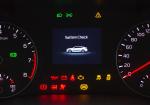
Picture this: someone's cruising down I-95, ignoring that flashing gas light for the past 50 miles, when suddenly the engine starts sputtering. Now they're stuck on the shoulder of a busy highway, and they're wondering – am I gonna get a ticket for this?

The short answer? It's complicated.
The Legal Gray Area
Technically, federal highway regulations allow drivers to stop on the shoulder for breakdowns, mechanical problems, or running out of gas. So far, so good. But here's where it gets tricky – if that empty gas tank causes an accident or puts other people in danger, all bets are off.
Traffic lawyers say the real issue isn't running out of gas itself, but whether the driver was being reckless about it. If someone knew they were running on fumes when they got on the highway, that's where things can get legally messy.
"If you cause an accident because you suddenly had to stop or slow down due to running out of fuel, you can't just blame the empty tank," explains one traffic attorney. "Especially if you knew you were low on gas to begin with."
When Empty Tanks Turn Expensive
The penalties can be pretty brutal. Getting slapped with a careless driving charge typically means a $150 fine and three points on the license in most states. But if it goes to court? Things can get way worse – we're talking thousands in fines and enough points to lose driving privileges.
A few years back, a driver got fined for running out of gas and stopping on a major interstate. The state police weren't messing around: "Highways are high-speed, high-volume roads, and the risks of an avoidable stop are massive. This time nobody got hurt, but the potential for a serious crash was obvious."
Zero Sympathy from Safety Experts
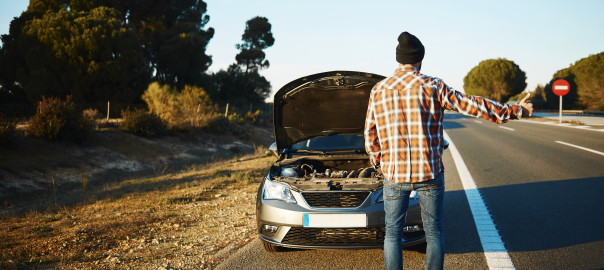
Road safety organizations don't have much patience for drivers who run out of gas on highways. One expert put it bluntly: "There's no excuse for getting on a highway with low fuel or when you know something's wrong with your car. A breakdown puts everyone at serious risk – lots of fatal highway crashes involve stopped vehicles."
The math is pretty simple: highways + stopped cars + high speeds = really bad outcomes.
What Happens When the Tank Hits Empty
Running out of gas on a highway means either getting fuel delivered roadside or having the car towed – both expensive options. AAA and other roadside services carry emergency gas cans to get stranded drivers to the nearest station. Some newer service trucks even have portable EV chargers for electric cars with dead batteries.
No roadside service? Those orange emergency phones along highways connect to state police or highway patrol, who'll arrange a tow. But expect to pay big money for the privilege – emergency highway towing can easily run $200-300 or more.

The Bottom Line
While running out of gas isn't automatically illegal, it's definitely not smart. Between the safety risks, potential fines, and expensive rescue costs, that extra two minutes at a gas station starts looking pretty worthwhile.
The message from cops and safety experts is crystal clear: fill up before hitting the highway, or deal with the consequences.