Road Trip Checklist: How to Prepare Your Car for a Long Journey
by AutoExpert | 6 August, 2025
Planning a massive road trip across America or maybe even further? Cars are amazing machines that'll take you anywhere, but they need some TLC in return. Here's what seasoned road warriors wish they'd known before hitting the road for thousands of miles.
The Holy Trinity: Fluids, Filters, and Fuses
This seems obvious until you're stranded in the middle of Nevada. Cars need oil, coolant, brake fluid, power steering fluid, and yes, windshield washer fluid. Pack enough for at least one complete refill of everything – better yet, bring enough for two.

Filters are road trip heroes. Oil filter, fuel filter, air filter – change them before leaving and pack extras. They're perfect for bribing mechanics in small towns or avoiding getting ripped off when you desperately need a replacement.
Fuses are tiny but mighty. When they blow, major stuff stops working – like windshield wipers during a thunderstorm or the fuel pump in the middle of nowhere. One traveler spent hours trying to figure out why his wipers died, only to discover a $2 fuse was the culprit.
Pack a basic tool kit with the right sizes for your engine. YouTube University can teach anyone to change spark plugs or handle basic repairs. Having a mechanic check the car before departure is worth every penny.

Gas Price Reality Check
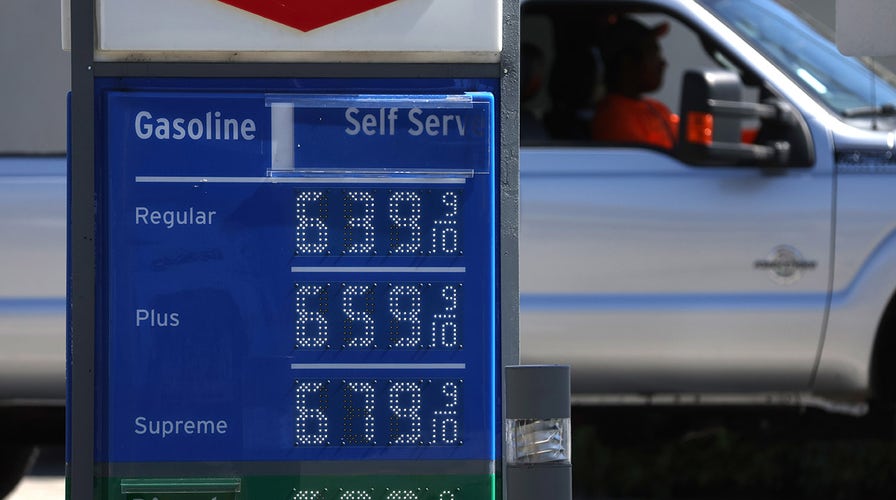
Don't just multiply distance by average gas prices – that's a recipe for budget disaster. Some states will shock you. California gas can hit $5+ per gallon while Texas might be under $3. One cross-country trip can see gas costs vary by 100% depending on the route.
Consider carrying a jerry can for two reasons: extending range in remote areas and dealing with prepay gas stations where you might overestimate. But never store gas inside the vehicle – the fumes will knock you out, and spills are dangerous. Mount it outside if possible.
Those old-school WWII-style jerry cans are still the gold standard for fuel storage.
Navigation Backup Plan
GPS is great until it's not. Bring a compass and actually know how to use it. When driving through Montana or crossing the desert Southwest, you could head the wrong direction for hours without realizing it.
Maps become useless without knowing which direction you're facing. Even with smartphones, a simple compass can save the day when you're questioning whether that dirt road actually goes where Google thinks it does.
The Humble Hammer
Sounds weird, but a hammer is a road trip lifesaver. When a tire goes flat and the rim gets bent, a hammer can knock it back into shape enough to hold air. One traveler's $4 rubber mallet from a gas station saved them at 2 AM on a lonely highway.
Also pack a 2x2 foot piece of plywood for your jack. Soft ground will swallow a jack faster than you can say "roadside assistance."
Double-check that your spare tire is actually the right size. Nothing worse than discovering your spare is the wrong diameter when you need it most.
Know the Local Rules
Different states have different requirements for what must be in your car. While America is pretty relaxed compared to other countries, some states require specific safety equipment. Research varies by region, but generally you'll want:
- Proper tire iron and jack
- Emergency reflectors or flares
- Basic first aid kit (upgrade the cheap factory one)
- Headlamp for nighttime repairs
Toll Road Homework
Some routes can rack up serious toll charges. The Northeast corridor, parts of Texas, and various bridges can cost $20-50 each. Research your route and budget accordingly. Some travelers have blown their entire food budget on tolls they didn't see coming.
Insurance Adventures
Car insurance for epic road trips gets complicated, especially if crossing into Mexico or Canada. Most US insurers offer temporary extension coverage, though rates vary wildly based on age and destination.
Always keep proof of insurance and vehicle ownership easily accessible. Nothing ruins a trip faster than not being able to prove you own your car.
Traffic Stop Survival
Different regions handle traffic stops differently. Stay calm, be polite, and keep hands visible. Some areas are notorious speed traps, while others are surprisingly lenient.
Being a polite, confused tourist often works better than trying to argue your way out of a ticket.
Essential Packing List
Tools & Parts:
- Compass
- Hammer (rubber mallet works great)
- Jerry can
- Extra filters (oil, fuel, air)
- Fuses (various sizes)
- Engine oil (enough for two changes)
- Coolant and power steering fluid
- Basic tool kit
- Jack support board
Safety & Legal:
- Upgraded first aid kit
- Headlamp with extra batteries
- Emergency reflectors
- Insurance documents
- Vehicle registration
- International driving permit (if needed)

The difference between an epic adventure and a roadside nightmare often comes down to preparation. Pack smart, drive safe, and expect the unexpected. The road has a way of teaching lessons whether you're ready or not.