Replace Coils with Spark Plugs? When to Swap Both to Save Time and Money

by AutoExpert | 26 November, 2025
Anyone who’s wrestled a stubborn spark plug out of an engine has had the same thought: “Since I’m already in here… should I just swap the ignition coils too?” It feels efficient. It feels smart. But the answer isn’t always that simple.
Spark plugs and ignition coils work as a team — the plug fires the spark, and the coil boosts your battery’s 12 volts into something strong enough to ignite fuel. But unlike spark plugs, coils don’t “wear out” on a schedule. When they go bad, they usually make themselves known: misfires, rough idle, sluggish acceleration, or fuel economy so terrible it feels personal.
That’s why many mechanics say: don’t replace coils unless they’re failing.
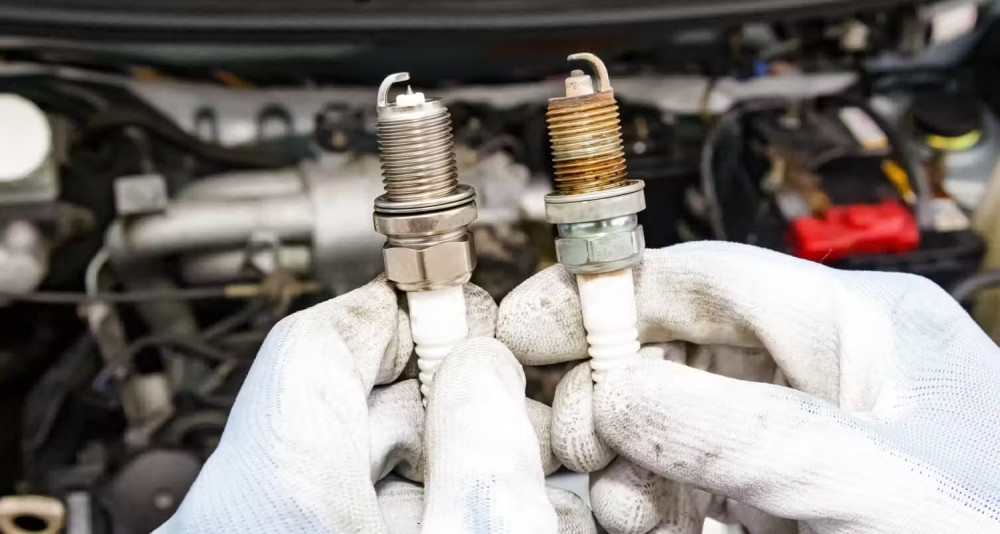
Still, there are situations where doing both makes sense. Coils often start giving up around 100,000 miles, and iridium plugs have a similar lifespan. Old, weak plugs can even overwork a coil and shorten its life — so if the plugs are long overdue, it’s not crazy to think the coils might be tired, too.
When it makes sense to replace them together
One coil fails, others may be close behind. They tend to age as a group.
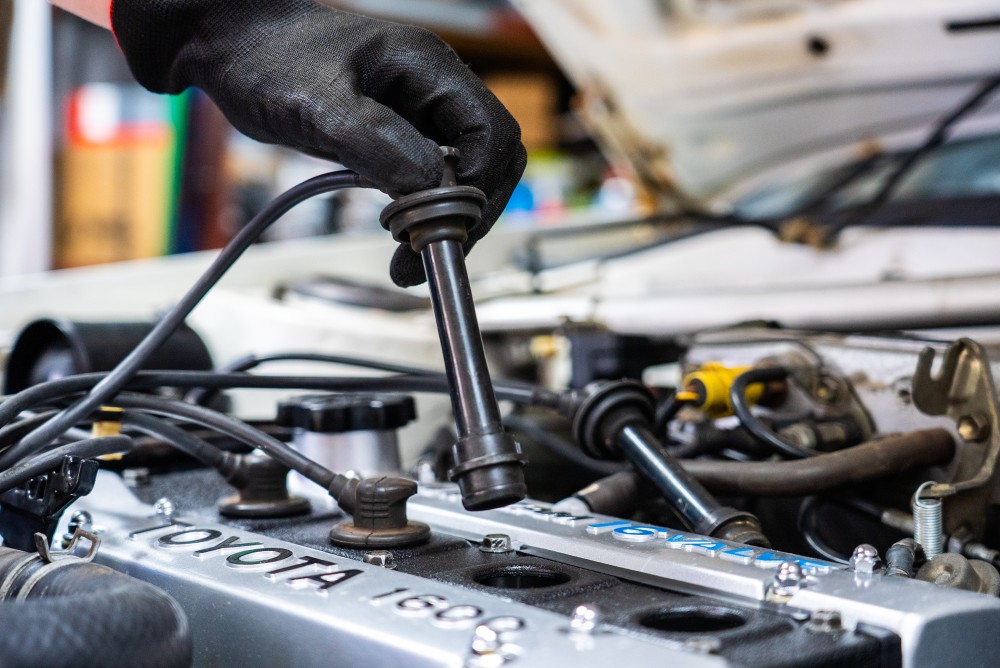
Your engine buries coils under intake parts. If access is miserable, doing everything at once saves time (and knuckles).
You’re already paying labor. If a shop has half the engine apart, combining the job isn’t unreasonable.
When you shouldn’t bother
The coils are healthy and easy to reach. No need to throw money at parts that aren’t broken.
You can pinpoint the bad one. Replacing a single failed coil is completely fine.
You’re tempted by bargain no-name coils. Don’t. Cheap coils can fail fast and create a brand-new headache.
At the end of the day, the smarter move is to follow the maintenance guidance in the owner’s manual and pay attention to symptoms. Replace coils when they’re actually causing trouble — and replace them with good ones. Your engine (and your wallet) will thank you later.