The Range Rover Finally Goes Electric – With More Power Than the V8 and a $140K Price
by AutoExpert | 2 September, 2026
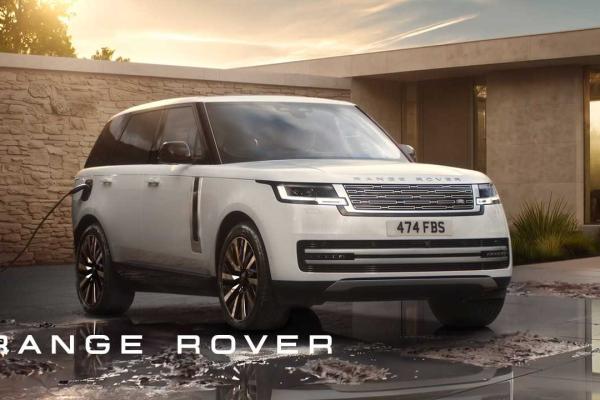
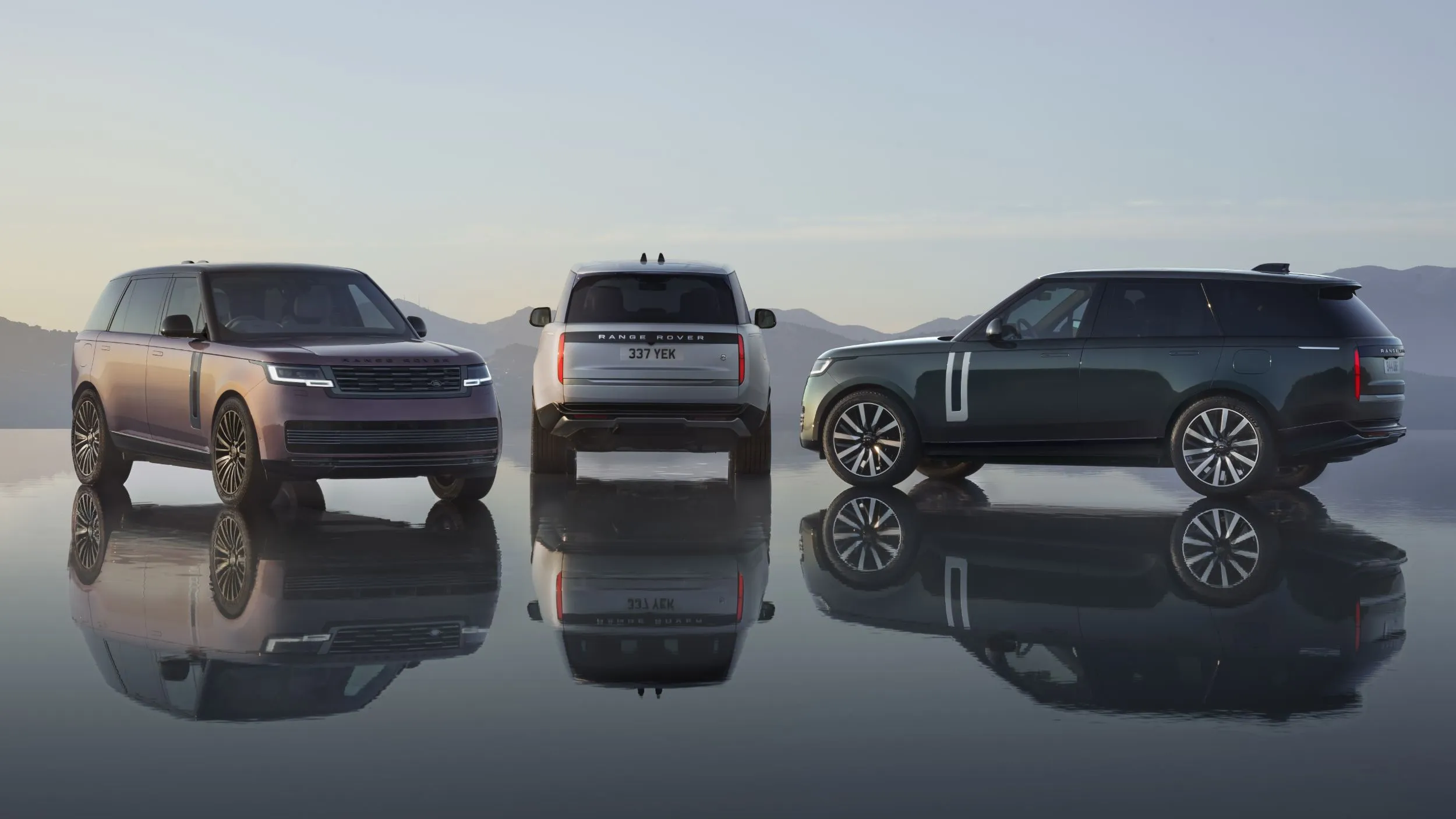
The Range Rover has finally gone electric. Land Rover’s first battery-powered version of its flagship SUV keeps the familiar shape and luxurious cabin but swaps the V8 for two electric motors and promises to retain the off-road ability that has defined the Range Rover for decades.
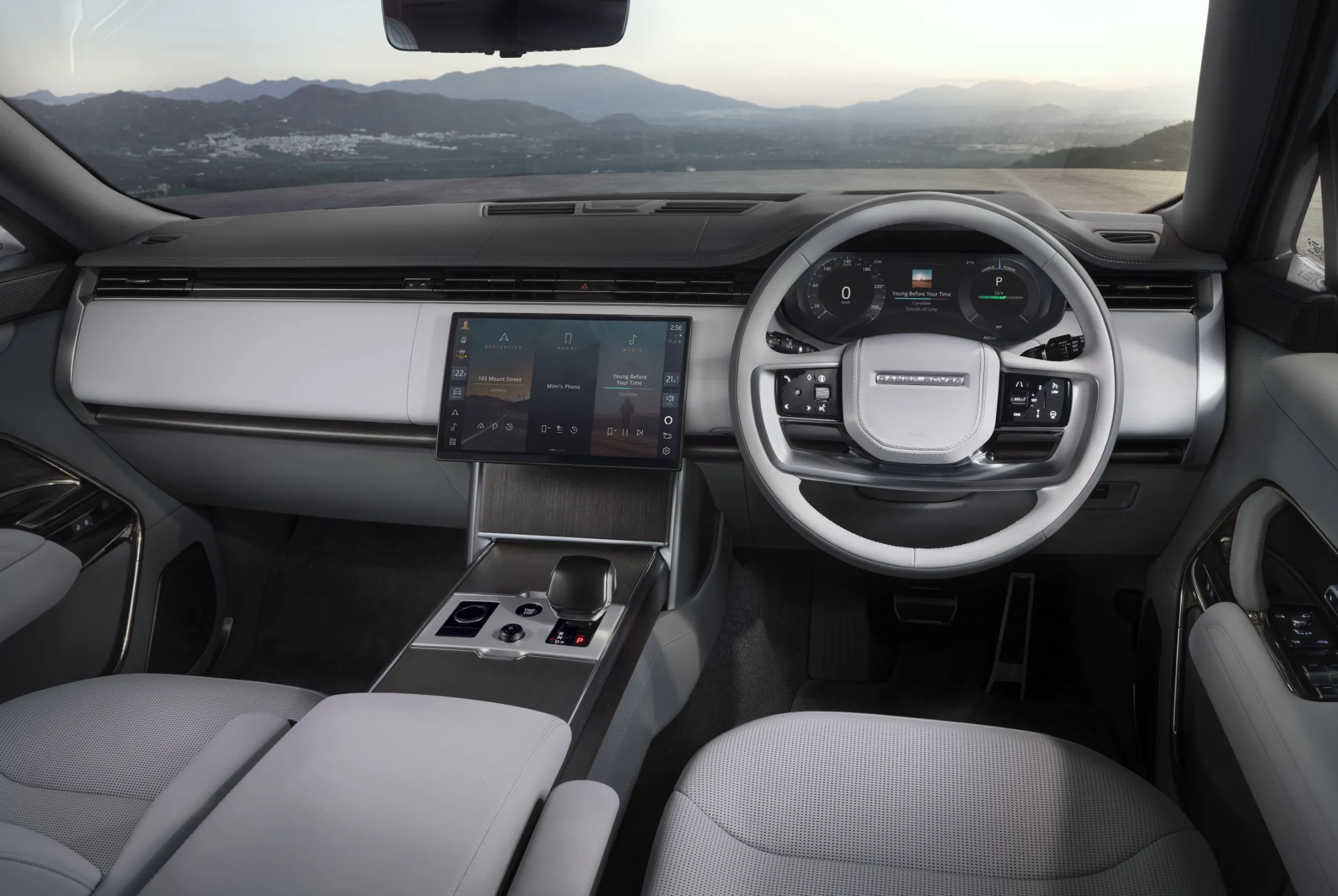
To start with, the electric model gets a smoother grille, new wheels, and a revised underbody, which together reduce the drag coefficient by 0.01 and add up to 10 miles of highway range. It will be available in standard- and long-wheelbase forms, with SE, HSE, Autobiography, SV, SV Ultra, and SV Black trims, plus a First Edition.
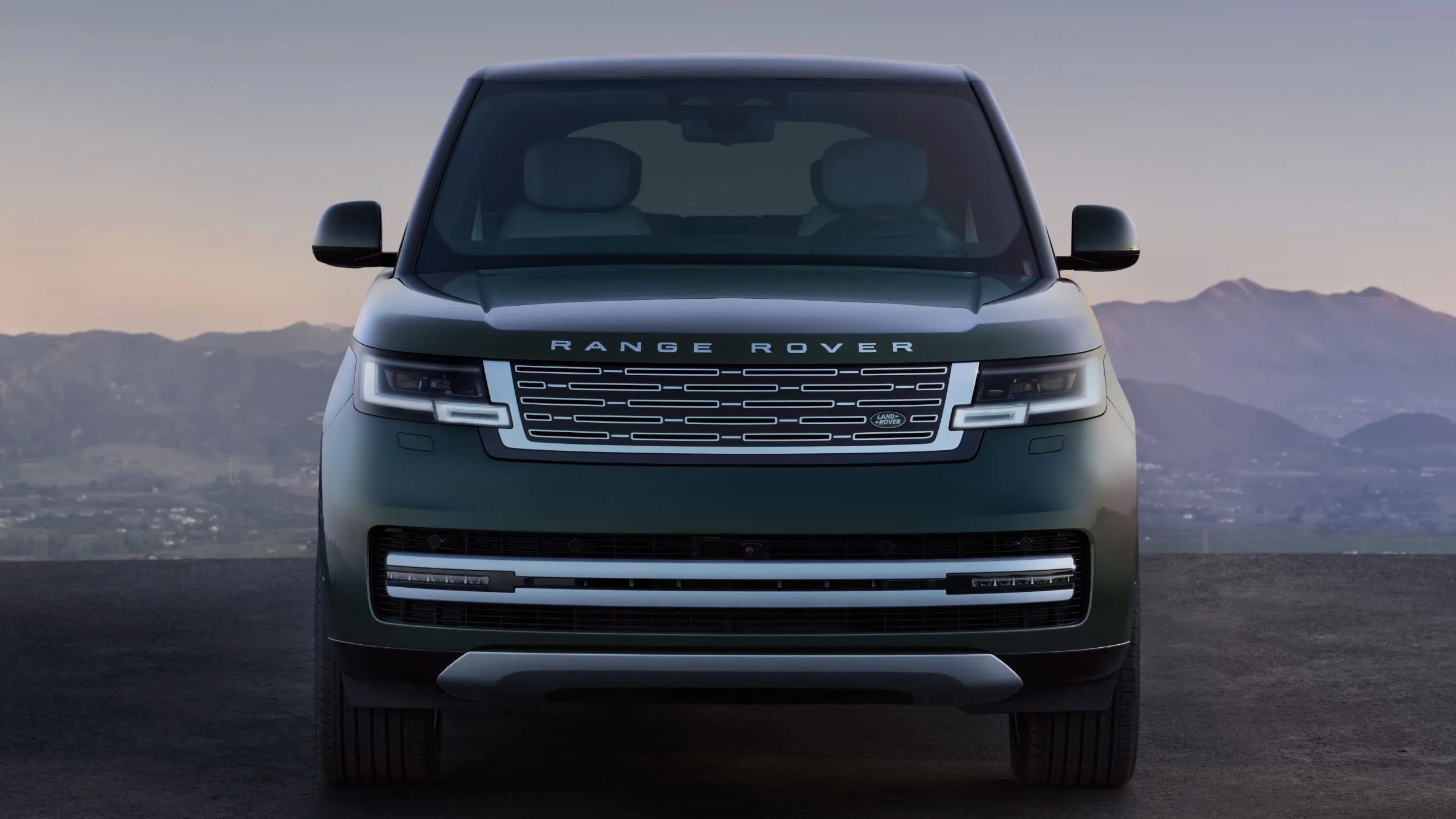
The cabin follows the same formula as the combustion Range Rover, with EV-specific displays adding AI-assisted range estimates and battery-related over-the-air updates. Land Rover has also worked on making an already quiet SUV even quieter. Under full acceleration, the Range Rover Electric is claimed to be 7 dBA quieter than the V8 model.
Underneath, the aluminum body sits on an electrified version of Land Rover’s Modular Longitudinal Architecture. Each motor produces 349 hp, giving the SUV 542 hp and 627 lb-ft combined. That edges out the mild-hybrid 4.4-liter twin-turbo V8 by 12 hp and 74 lb-ft. The instant response also helps the Electric reach 60 mph (96 km/h) in 4.3 seconds, compared with 4.5 seconds for the V8.
A 118.5-kWh battery provides up to 372 miles of WLTP range, or 333 miles (535 km) on Land Rover’s EPA estimate. Those figures put it comfortably into long-distance territory, although the BMW iX5 60 AWD claims as much as 435 miles on the EPA cycle. The 800V system supports charging at up to 350 kW, with a 10-to-80 percent charge taking 22 minutes. Ten minutes on a suitable charger can add up to 137 miles of range.
Land Rover says it filed more than 300 patent applications during development. One of the more interesting additions is the ThermAssist heat-management system, which can cut energy used for heating by up to 40% and recover as much as 25 miles of range in extreme weather.
As for the battery, the Range Rover Electric uses twin-valve active dampers borrowed from the Range Rover Sport SV, dual-chamber air springs, and rear-wheel steering. Water-level sensors can raise the suspension automatically, allowing up to 35.4 inches of wading depth. Integrated Traction Management helps control wheel slip, while Intelligent Driveline Dynamics allows the SUV to handle inclines of up to 33 degrees and climbs reaching 45 degrees.
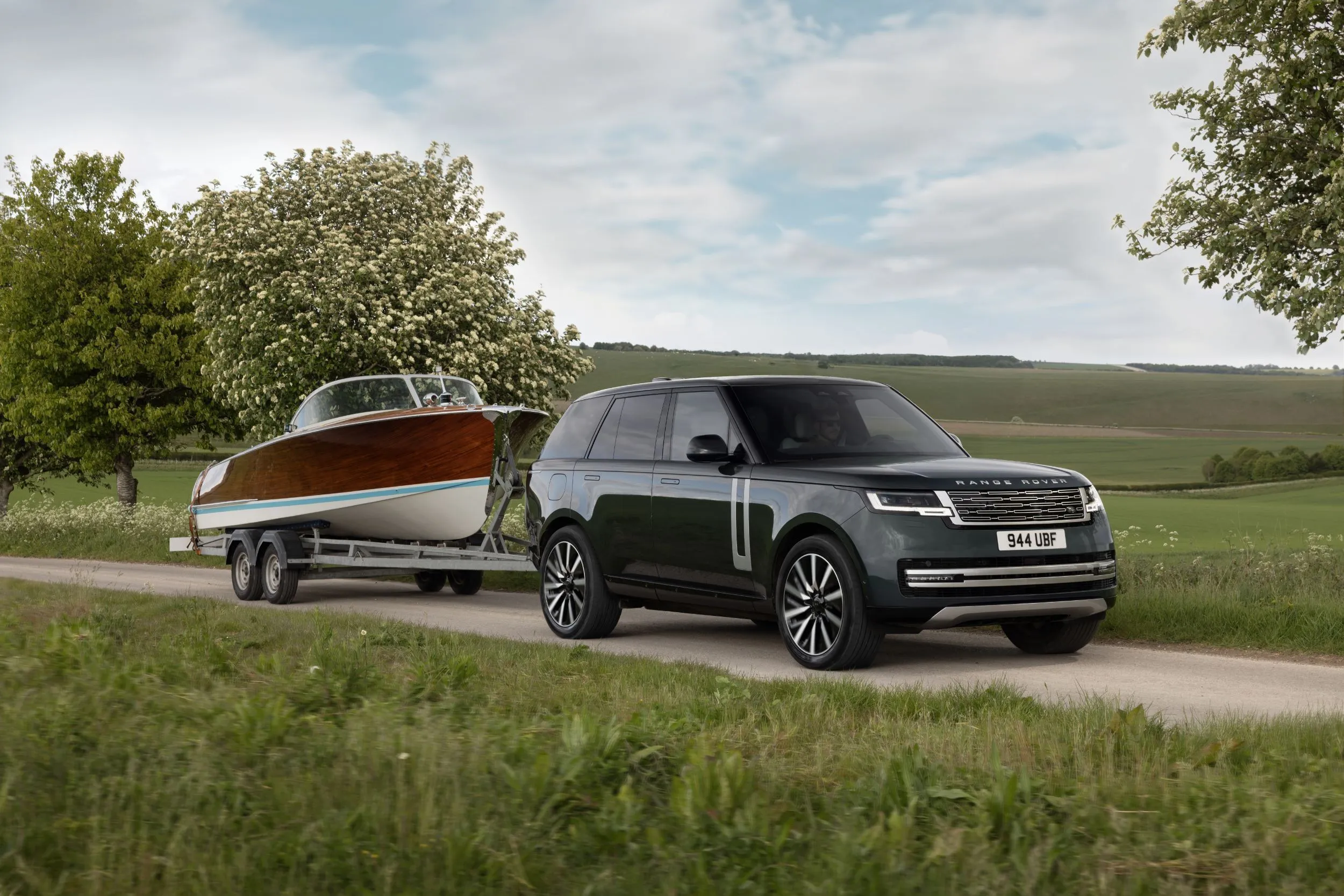
Weight is inevitably part of the equation. At 6,360 lbs, the Electric is 165 lbs heavier than the PHEV, although its center of gravity is lower than the V8’s. Towing capacity drops to 5,512 lbs (2.5 tons), compared with 7,716 lbs for combustion models and 6,614 lbs for the PHEV.
In the U.S., prices start at $138,000, before the $2,450 destination charge. That works out to $140,550 delivered, nearly $25,000 more than the $113,300 base gas Range Rover, or $115,750 with destination. The P550e plug-in hybrid sits between them at $128,900, making it $9,200 cheaper than the Electric once destination charges are included.
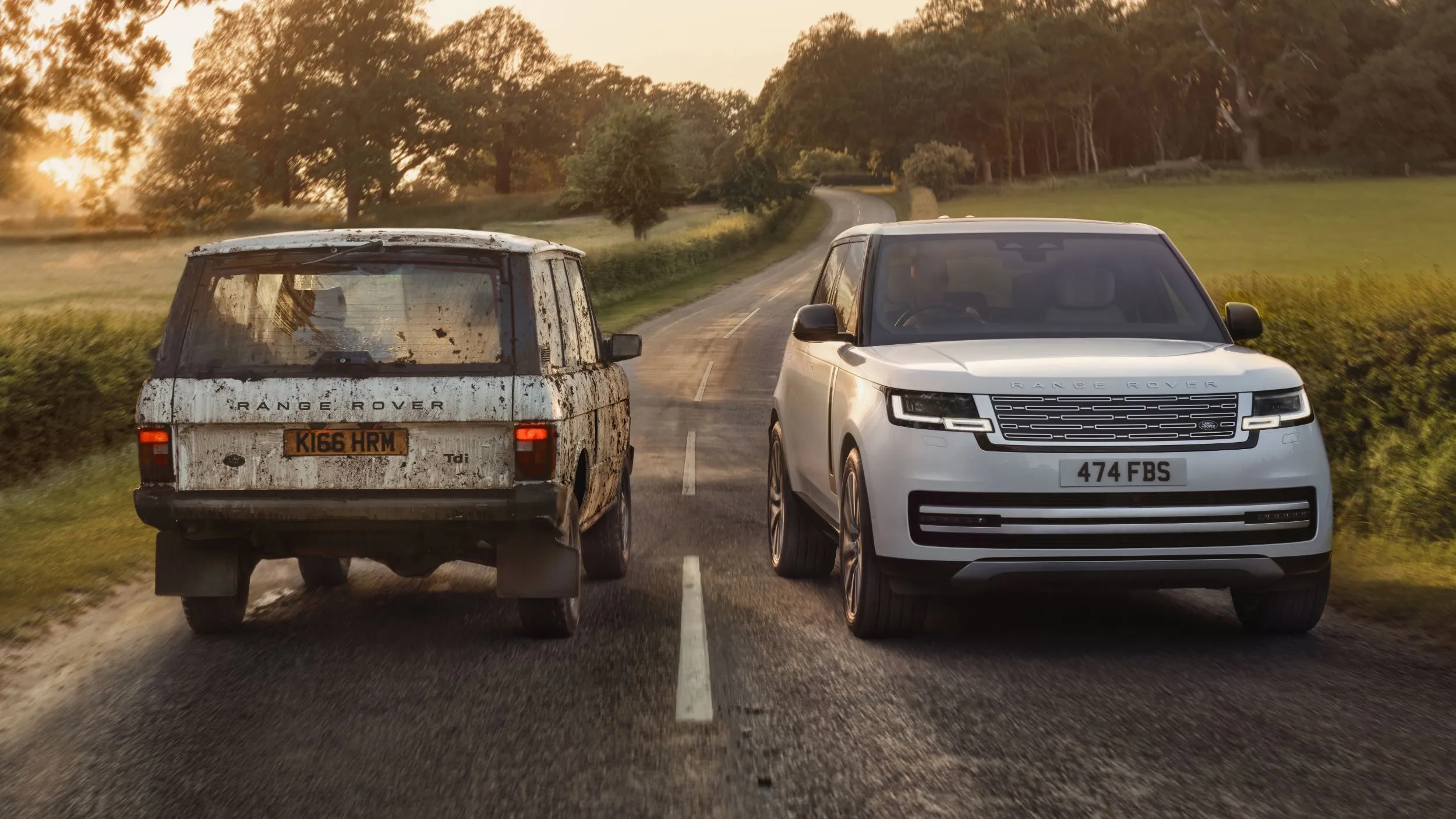
UK pricing starts at £154,070 ($208,200). Production is already taking place at Land Rover’s Solihull plant alongside the mild-hybrid and plug-in hybrid versions.