
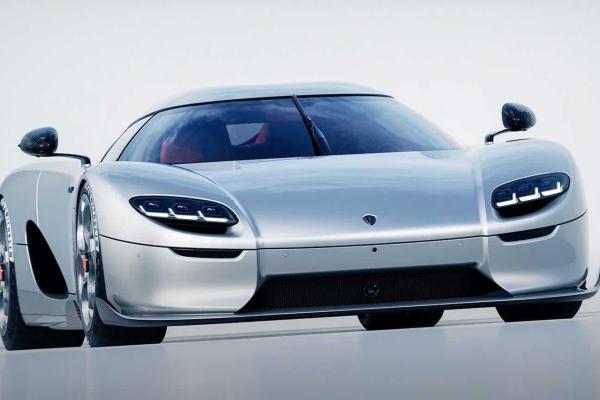
Every Koenigsegg CC850 in America Is Being Recalled — Over a Parking Brake Bug
by AutoExpert | 27 October, 2026
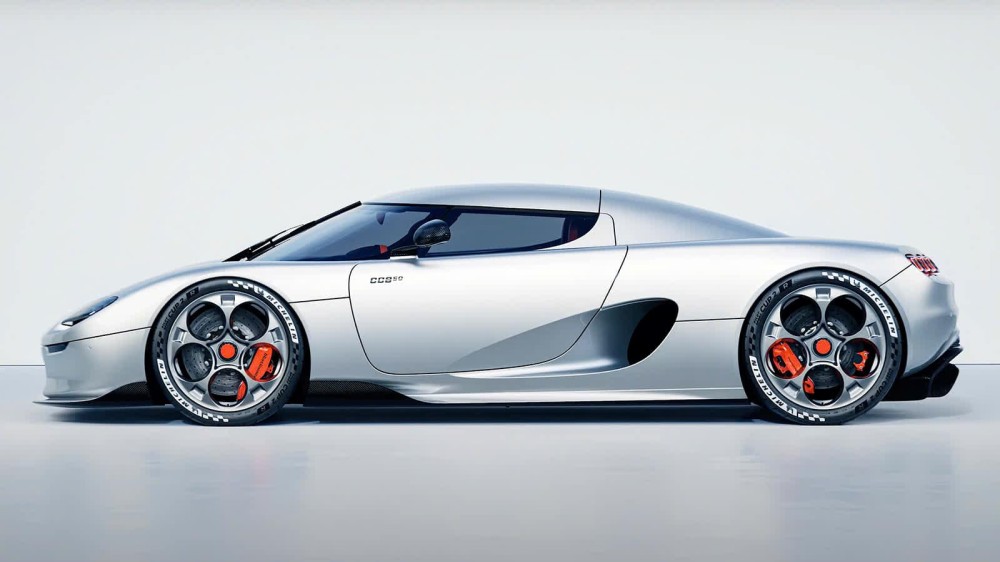
Owning a Koenigsegg CC850 puts you in a very exclusive club. Only seven examples have been delivered to the US, and each costs more than $3 million. But these owners have something else in common: their cars are now part of a safety recall after a parking brake problem raised the risk of an unattended hypercar rolling away.
The recall covers every 2025 and 2026 CC850 built between September 28, 2025, and August 2, 2026. Koenigsegg filed the voluntary recall with US safety regulators after learning that the electronic parking brake might not stay engaged in a specific situation. The trouble appears when the engine is running and the transmission is in Reverse. Pressing the parking brake button alone may not be enough; the driver has to keep holding it down.
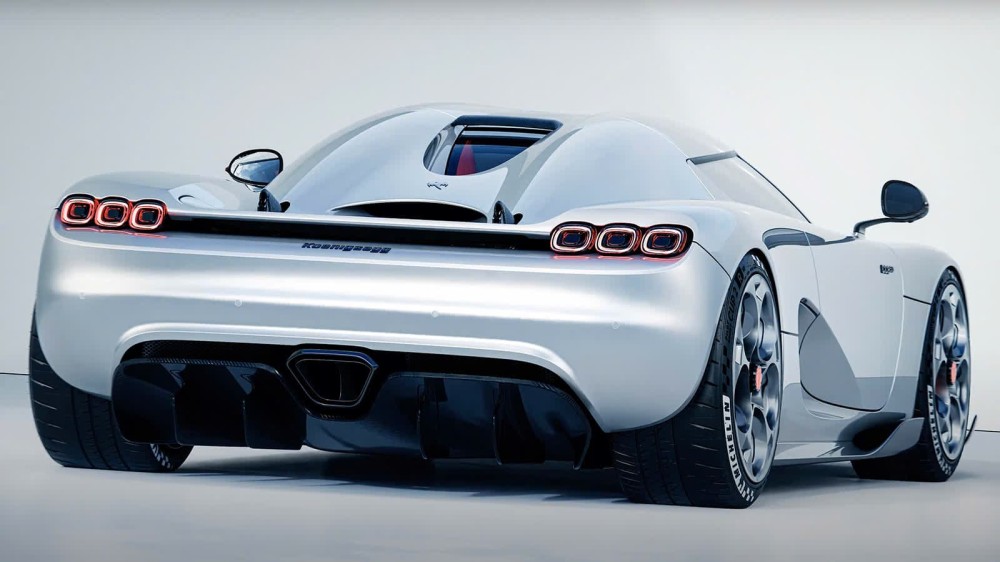
The problem came to light on October 12, when Koenigsegg received a report of a CC850 rolling away after its driver tried to engage the parking brake. The engine was still running, Reverse was selected, and the car was parked on a slope. Fortunately, nobody was injured.
The company launched an investigation that day, carried out real-world testing, and assessed the issue before deciding to recall all seven US cars.
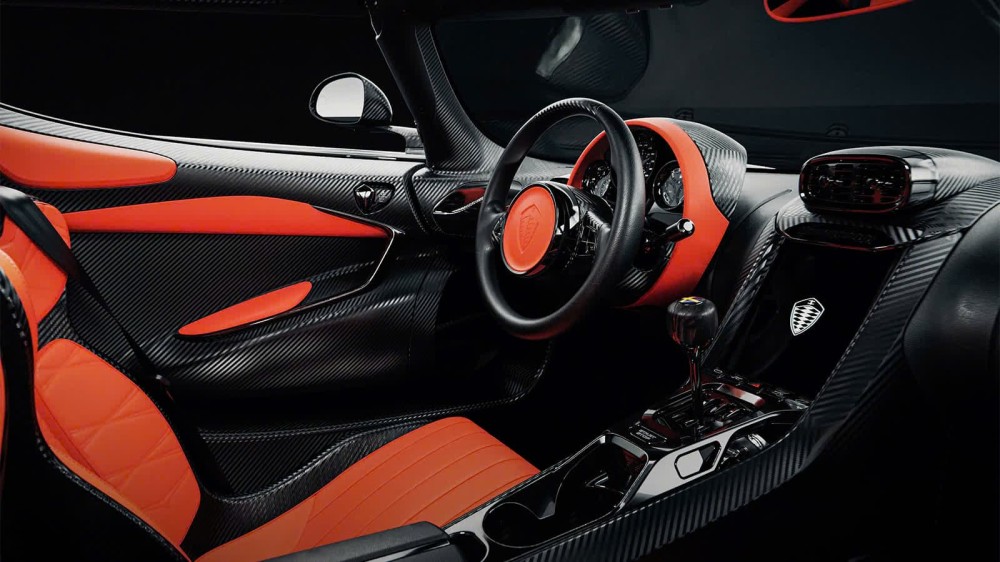
According to the recall documents, the risk comes from drivers relying on the electronic brake while leaving the car in Reverse without applying the foot brake. On an incline, that combination could allow the car to move unexpectedly. The issue is linked to software rather than a broken mechanical component, and it reportedly falls outside the usual static tests used to assess parking brake performance.
The fix should be relatively painless for owners. Koenigsegg plans to deliver a free software update over the air, so the cars won't necessarily need a trip to the dealership. Owners who cannot complete the update remotely can have an authorized dealer install the repair instead.
The company also says it will reimburse owners who have already paid to fix the problem. Even a hypercar built in tiny numbers can have a software bug - and when it costs millions, nobody wants to watch it take itself for a drive.