Porsche Confirms V-8s In Cayenne And Panamera Will Last Until The 2030s
by AutoExpert | 16 March, 2025
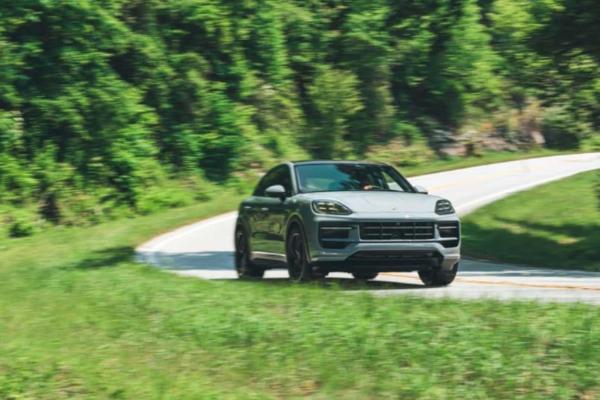
Porsche had just dropped a couple of big announcements that are setting the tone for their future. The biggest revelation? Porsche is doubling down on gasoline engines—at least for the near future. During their Annual Press Conference, CEO Oliver Blume confirmed something a lot of us were wondering: the Cayenne and Panamera will keep their gas engines “well into the 2030s.”
That’s right, the V-8 in the Porsche Cayenne isn’t going anywhere anytime soon, even as the automotive world accelerates toward electric vehicles.
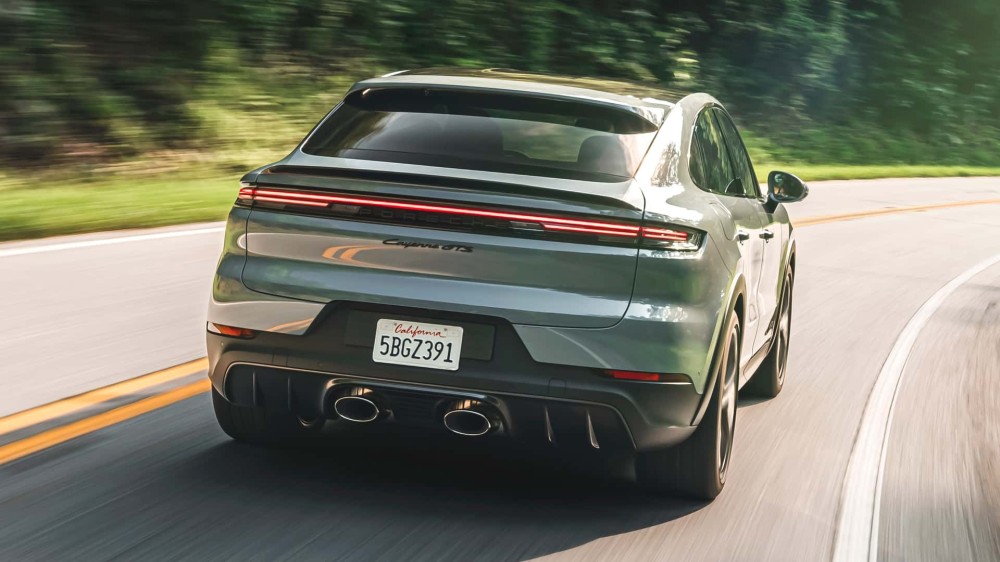
Porsche’s more immediate future still holds room for gasoline power. The Panamera, which just saw a new generation hit the market, and the Cayenne, which was recently facelifted, will continue to see their gas-powered versions evolve. The Porsche Cayenne’s V-8 will likely survive past 2030, and the V-6 in the Panamera will remain for the more accessible trims. On top of that, Porsche is keeping the plug-in hybrid options around, but with the promise of an even better electric range.
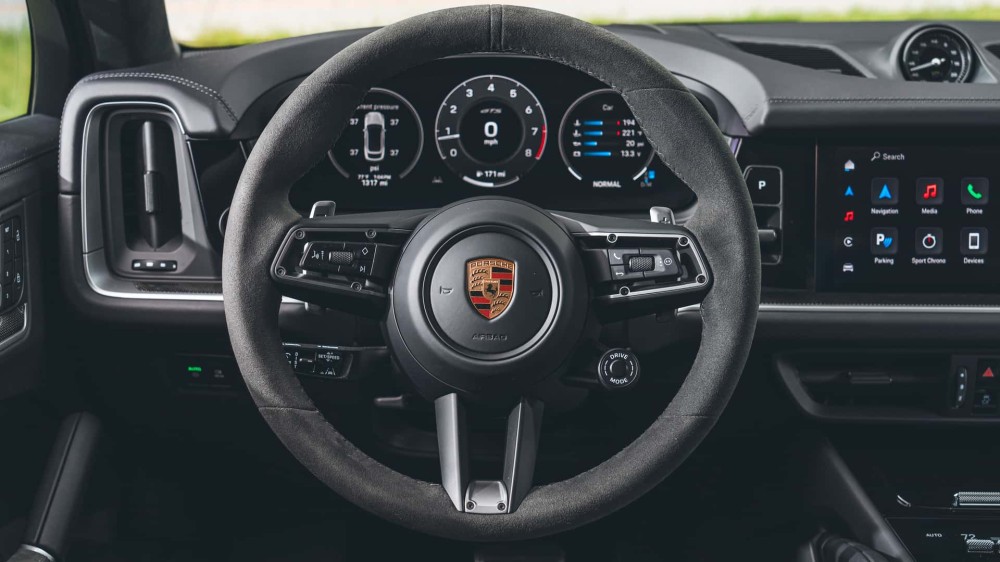
Porsche admitted its EV goals might have been a bit too ambitious. Blume acknowledged that the target of having 80% of Porsche’s sales be electric by the end of the decade is “unrealistic.” Currently, just 12.7% of the cars Porsche delivered in 2024 were fully electric.
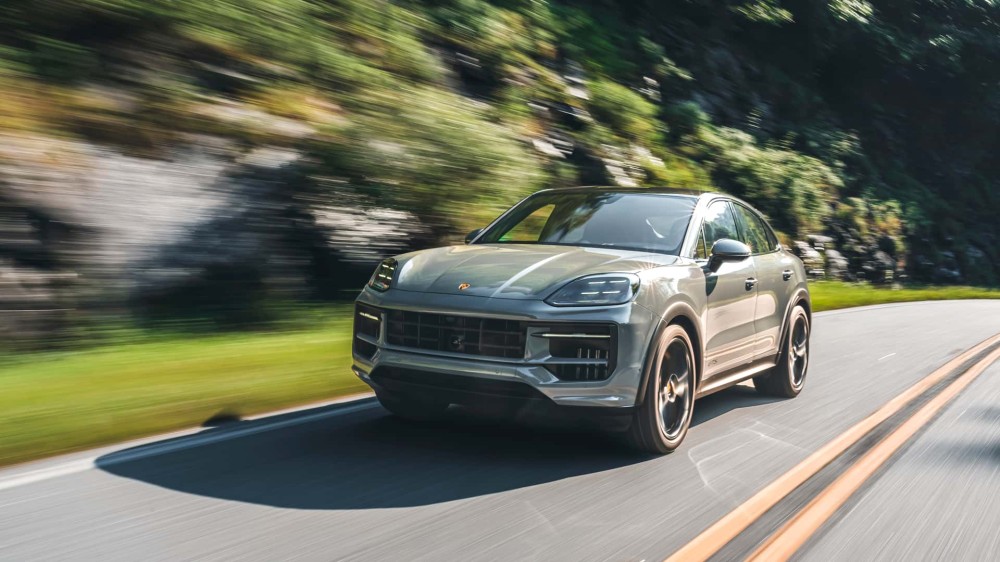
That said, Porsche isn’t giving up on electric cars. The new electric Cayenne will debut later this year, and they’re also working on the 718 Boxster and Cayman EVs. Plus, an electric three-row SUV is in the works for the decade ahead.
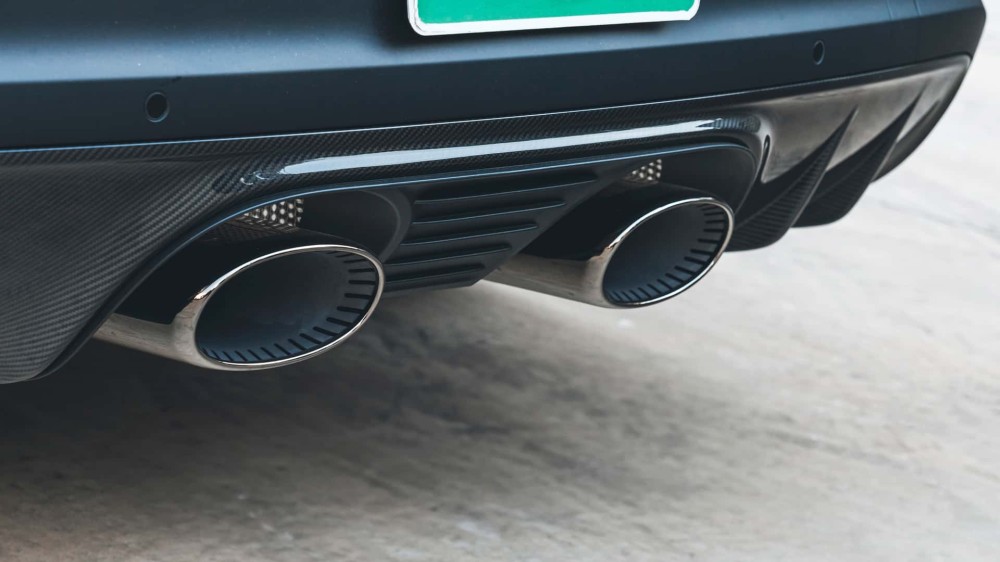
Let’s not forget about Porsche’s most iconic car: the 911. Porsche has long said the 911 will be the last of their cars to ditch the gas engine. With synthetic fuels (aka eFuel) in the mix, Porsche believes they’ve found a way to keep that engine rumbling long after the electric revolution takes over. In fact, Porsche’s already producing eFuel in Chile at their Punta Arenas plant, with the first 911 running on it as early as late 2022. The process uses wind energy to turn water and carbon dioxide into fuel, making it an eco-friendly alternative that could keep the 911 relevant for years.