Oil Light On? How to Safely Add Oil to a Hot Engine

by AutoExpert | 16 July, 2025
Picture this: someone's running errands, glances at their dashboard, and boom - the oil light comes on. Engine's hot, they're in a hurry, and there's a convenience store right there with motor oil. Can they just add it now, or do they need to wait around for the engine to cool down?
Why Oil Matters in the First Place
Oil basically keeps engines from turning into expensive paperweights. It's doing way more than just lubricating all those moving parts - though that's huge since without it, everything would grind to a halt pretty quick. Oil also keeps temperatures down by carrying heat away from hot spots, maintains seals so they don't dry out and leak, and has cleaning agents that scrub gunk out of the engine.
Getting the Amount Right
Too little oil and the engine starts making scary noises before eventually seizing up. Too much oil creates excessive pressure that can blow seals and damage internal components. The sweet spot varies wildly - a 2024 Ford Mustang EcoBoost needs 6 quarts while the GT version needs 10 quarts. Owner's manual has the exact number.
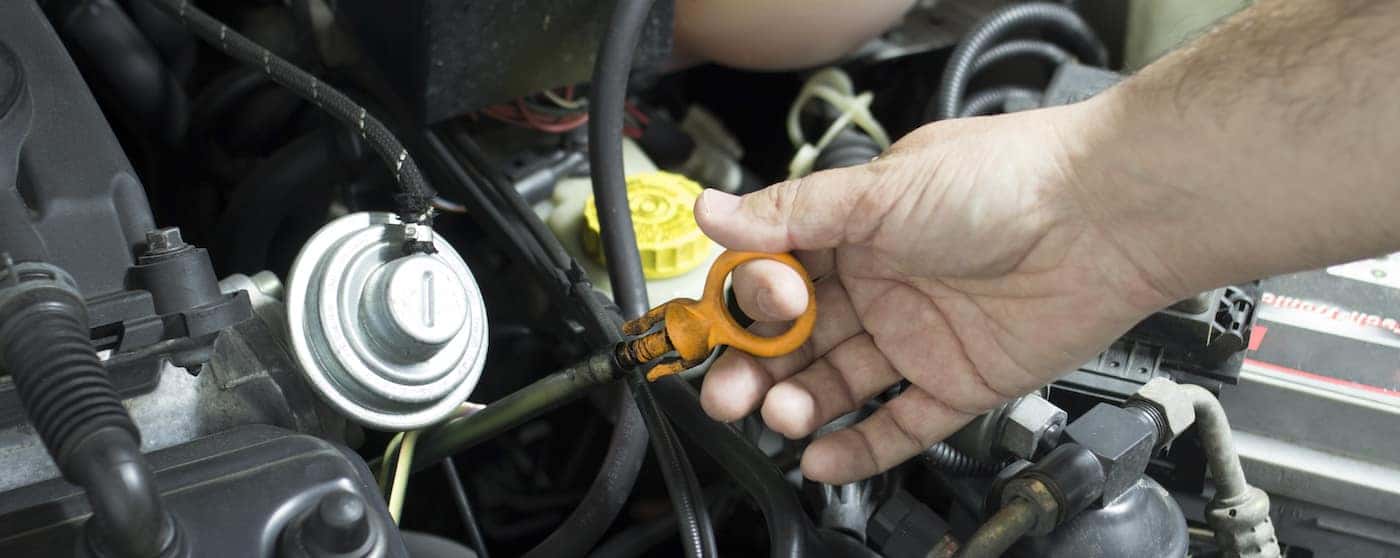
Most people check oil levels with the dipstick, though newer cars sometimes show it on the dashboard display. When in doubt, asking a mechanic beats guessing.

Red Flags That Scream "Check Your Oil"
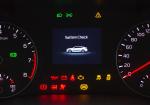
Orange Oil Light: Usually means levels are getting low. Not panic time yet, but don't ignore it.
Red Oil Light: This one's serious - oil pressure is dangerously low. Time to pull over and shut things down immediately.
Blue Smoke: Engine's burning oil. Some cars do this naturally, but it still means checking levels more often.
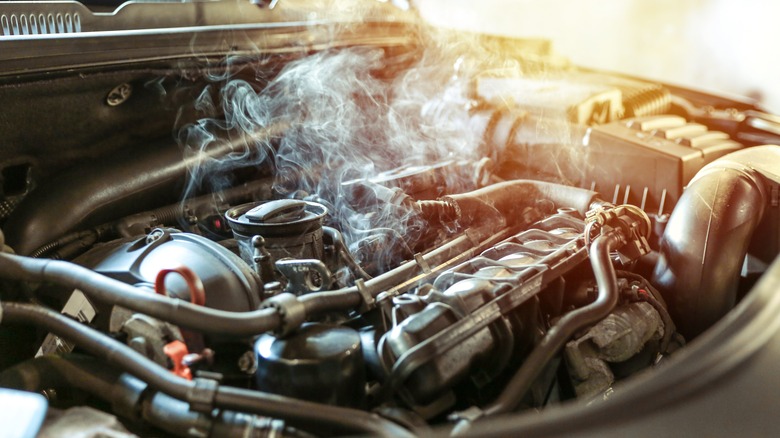
Smoke from Engine Bay: Could be oil or coolant leaking. Both smell distinctive and need quick attention.
Weird Engine Noises: Ticking or knocking usually means parts aren't getting lubricated properly.

The Hot Engine Dilemma
Technically, adding oil to a hot engine won't destroy anything. But it's not ideal for a few reasons:
Hot oil can splash and burn skin - not fun. Cold oil hitting hot oil doesn't mix as smoothly, creating inconsistent thickness. Hot oil expands, so dipstick readings aren't accurate.
The best approach? Wait 10-15 minutes if possible. Leave the hood open to help cooling. If it's an emergency situation, just be extra careful about splashing.
Running Engine vs. Hot Engine
Adding oil while the engine's actually running is even riskier. More chance of burns, more chance of spilling oil all over the engine bay (which creates smoke and nasty smells). Doable in emergencies, but definitely not recommended.
Therefore...
Can someone add oil to a hot engine? Yeah, if they're careful. Should they? Probably not unless they're stuck somewhere and can't wait. The risks aren't catastrophic, but why take chances when waiting a few minutes makes everything safer and more effective?
Regular oil checks prevent most of these situations anyway. Better to catch low levels early than deal with emergency top-ups on the side of the road.