This Forgotten 1990s Pickup May Be More Reliable Than Modern Trucks
by AutoExpert | 19 March, 2026
These days the pickup truck is way more popular than it was 30 years ago. Back then the pickup was just beginning its transition from something normally used for work to a vehicle folks without blue-collar jobs would want to buy. Before this shift the usual habitat for the pickup was rural and small-town America where small cabs and large cargo beds were more important than creature comforts or passenger space.
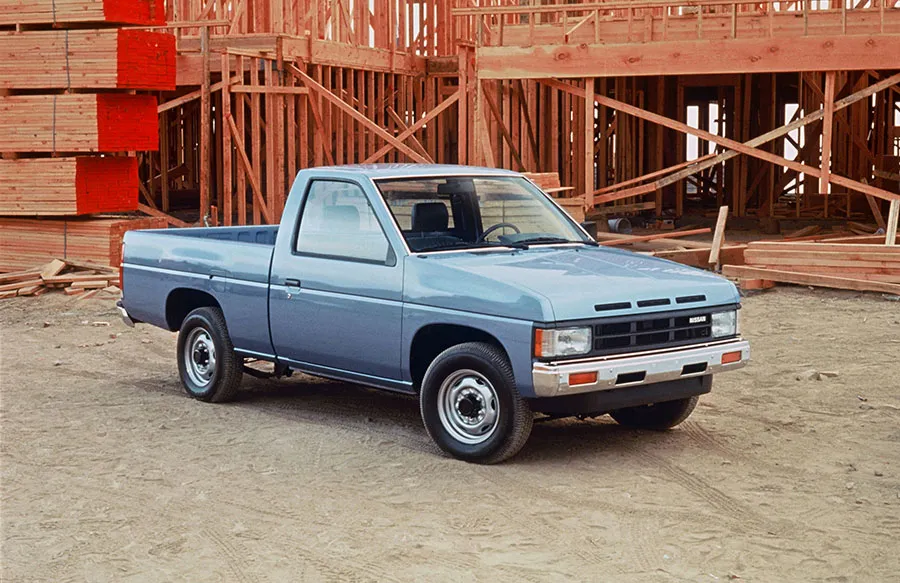
Major forgotten-about plus side to those old-school simple trucks was their reliability. Because they were made for work they needed to be durable and virtually all automakers involved in pickup truck manufacturing knew this very well. But one pickup that's been largely forgotten was one of the most reliable built in the 1990s just before the pickup went through its personality shift. Called the Nissan Hardbody. Simple name for a simple long-lasting truck that can still outlast modern pickups.
A Fitting Name for a Tough Little Truck
While most of the Nissan Hardbody's production timeframe fell within the 1990s it was actually introduced all the way back in 1986 just about halfway through the model year. Year prior to that Nissan had just changed its name from "Datsun" to Nissan in the U.S. market. Between 1980 and 1986 Nissan's previous pickup was the Datsun 720. While the new Nissan truck was a new model it borrowed much of its underpinnings from its predecessor.
Predecessor was the Datsun truck and its affinity for reliability wasn't well known outside those who owned one but for those in the know the new Hardbody needed to meet or exceed that high bar previously set. With the underlying theme of the new pickup being reliability above all else Nissan went to work designing the Hardbody also known as the "D21" to boast as much longevity as possible.
D21's well-built nature begins with its chassis. Ladder-frame configuration as was standard with virtually all pickups made at the time. But the Hardbody's chassis was also designed to be more robust than a typical compact pickup would need meaning it could handle a bit more thrown at it than say its main competitor the Toyota Pickup. In addition its pair of engine options were designed to be understressed, an attribute that lends itself to longer-lasting motors. Topping it off was a double-walled cargo bed meant to handle tougher-than-usual loads without bending giving meaning to its "Hardbody" namesake.
The Hardbody's Ins and Outs
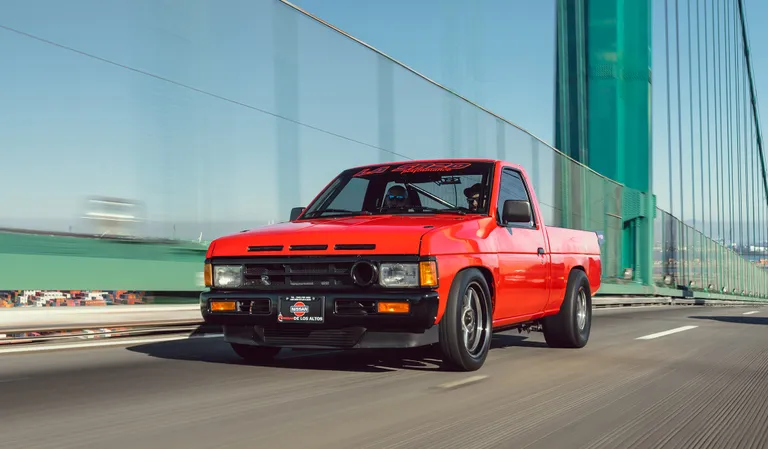
While tons of engines were offered across all the Nissan D21's international markets U.S. examples made use of just two distinct engines throughout its near-11-year run. At base level was a simple rugged 2.4-liter inline-four that carried the internal code name "Z24i." One unique aspect was its use of two spark plugs per cylinder which allows the powerplant to burn fuel more efficiently while also producing a bit more power. Coupled with its low compression ratio of 8.3:1 the Z24i remained understressed even under heavy load. Come 1990 an all-new 2.4-liter four-banger was introduced, the KA24E. While this new mill didn't have a twin-spark setup it managed to retain a relatively low compression ratio of 8.6:1. Also took advantage of an actual timing chain rather than a belt.
Optional engine upgrade for the D21 pickup was a 3.0-liter V6. Between its debut and 1989 the six-pot offered was the VG30i. While not considered as rugged as the Z24i it was still regarded as a reliable engine in its own right. But it did sport a timing belt rather than a chain meaning regular maintenance was crucial to avoid failures. In 1990 the mill was replaced by the 3.0-liter VG30E V6 upping power output by 15 horses.
Backing up the Hardbody's reliable powerplants was a standard five-speed manual transmission. Four-speed automatic was available as an optional upgrade. Both rear and four-wheel drive drivetrains were offered with the former acting as standard. 4WD models made use of a separate two-speed transfer case coined "TX10A." Known as one of the most robust transfer cases produced at the time and is still even produced by Nissan as a replacement part to this day.
Nissan employed an all-new bed production process for the D21 pickup truck. Most compact truck beds at the time made use of a single steel panel or "wall." Nissan on the other hand built the D21's bed by mating two steel panels together creating a double-walled bed.
Just How Reliable Is It?
Short answer: Very. Seeing as the Nissan Hardbody's core tenet is simplicity its long-lasting nature falls right into place. According to numerous anecdotal reports D21s routinely last well over 200,000 miles with many even reaching 300,000. Even a few cases of these trucks reaching half a million miles with just simple maintenance. According to CarSurvey the D21 manages to achieve an overall reliability rating of 8.9 out of 10 across all model years.
Rest of its marks: Average Performance 8.0, Average Comfort 6.9, Average Running Costs 7.7.
How It Compares to Some Modern Pickups
Bearing that 8.9-out-of-10 reliability score from CarSurvey in mind let's take a peek at how that ranking stacks up to some of the most popular trucks currently sold.
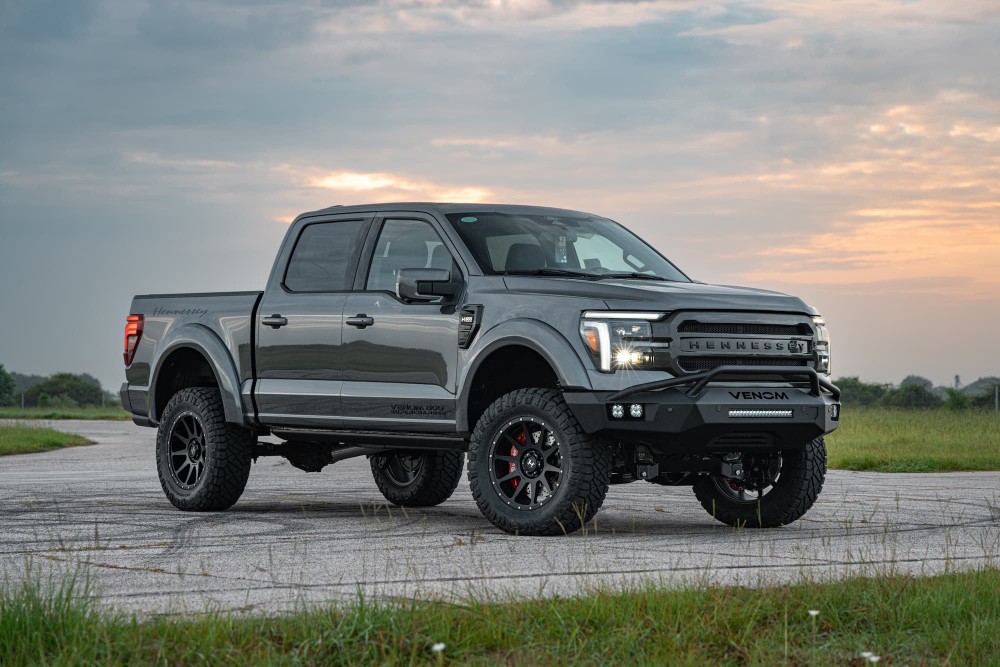
Ford F-150 (8.4/10)
For 49 years the Ford F-150 has been America's best-selling pickup truck. Last year Ford managed to shift approximately 828,832 F-150s, 8.3 percent increase over 2024. Seems that despite Ford's recent issues with recalls Americans still love the F-150. Well-loved or not the modern F-150 does seem to struggle with reliability in some respects. But certain older examples like those equipped with the 4.6-liter Modular V8 were renowned for their durability.
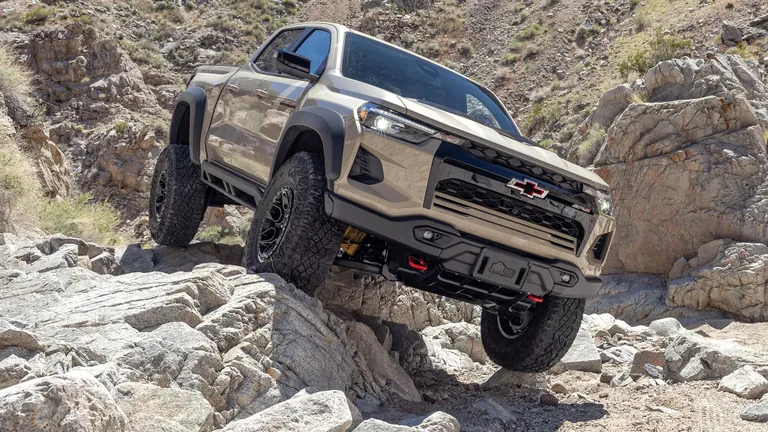
Chevrolet Colorado (6.6/10)
To give the small pickup truck class a chance let's look at the Chevrolet Colorado's reliability too. Colorado entered the fold in 2004 as a replacement for the age-old S-10 compact pickup. Colorado was in production until 2012 when it got axed. Come 2015 the nameplate was resurrected for use on a mid-size pickup truck, the segment it still occupies today. Unfortunately the Colorado doesn't seem to receive good reliability marks from real owners at least as far as CarSurvey users are concerned.
So it's true. This 30-plus-year-old Japanese pickup beats out modern pickups when it comes to reliability. Can thank the Nissan Hardbody's dedication to an extremely simple yet rugged design. So rugged and simple in fact that it still holds up today in a sea of brand-new space-age pickups.