Mid-Grade Gas: Why It Exists (and Why You Probably Don’t Need It)
by AutoExpert | 25 April, 2025
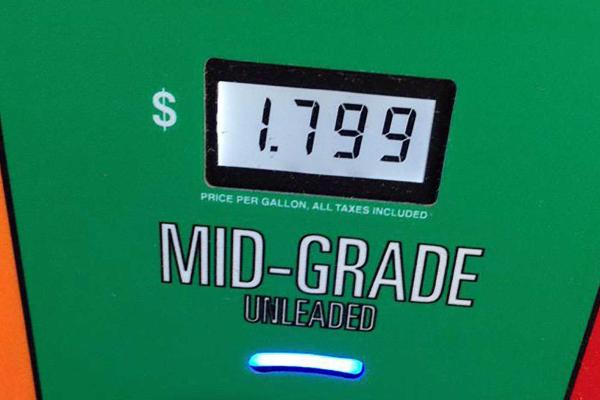
Ever wondered why gas stations bother selling mid-grade fuel when your car probably doesn't need it? Turns out it's mostly a leftover from the leaded gas era and a way to squeeze extra cash from unsuspecting drivers.
Back when leaded gas was being phased out in the '70s and '90s, stations had pumps with three buttons: regular leaded, regular unleaded, and premium unleaded. When leaded gas disappeared completely, stations kept that middle button by simply mixing regular and premium to create mid-grade.

Car manufacturers were expected to design engines for this middle option, but that rarely happened. According to FuelEconomy.gov, only certain Stellantis vehicles (some Rams, Chargers, and Jeeps) actually recommend mid-grade fuel today.
Despite making up about 7% of gas sales, mid-grade serves almost no purpose for most drivers. Higher octane doesn't equal "better" fuel - it only matters if your engine is specifically designed for it. Putting premium in a regular-fuel car doesn't boost performance or efficiency.
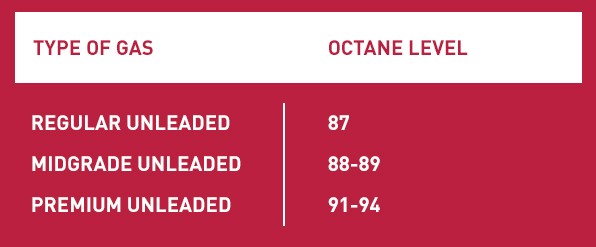
For the few cars that do suggest mid-grade, drivers could save money by manually mixing regular and premium themselves - a 50/50 blend equals mid-grade at a lower price.
Bottom line: Check your owner's manual and don't waste money on unnecessarily expensive fuel.