
Mercedes-AMG Builds A 1,153-HP Electric SUV That Pretends To Have A V8
by AutoExpert | 20 October, 2026
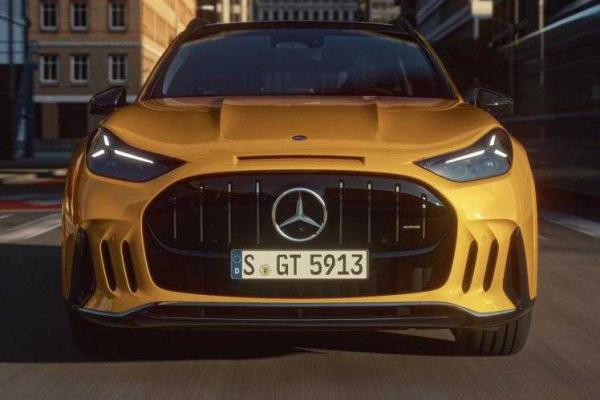
Mercedes-AMG has built its reputation on loud V8 engines, but its next big performance machine doesn’t need one. Meet the new electric GT SUV, a high-powered family hauler that packs up to 1,153 hp and can hit 62 mph in just 2.7 seconds. It’s heavy, huge, and certainly not shy about its looks. AMG, however, wants buyers to know there’s more to it than straight-line speed.
The range starts with the GT 53, which uses two electric motors and a 106-kWh battery. It produces 536 hp and 590 lb-ft of torque, reaches 62 mph in 4.2 seconds, and offers up to 415 miles of WLTP range.
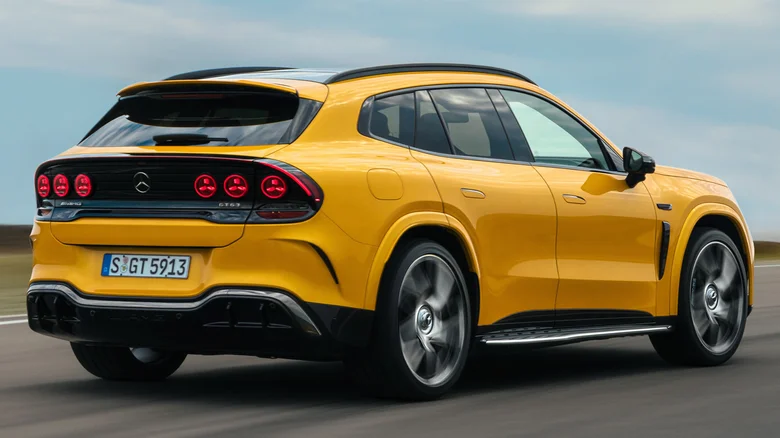
The GT 55 steps things up with three axial-flux motors delivering 805 hp and a massive 1,860 Nm of torque. With the larger 128-kWh battery, it can cover up to 435 miles and supports 710-kW DC charging. The range-topping GT 63 takes output to 1,153 hp and 2,000 Nm, cutting the 0-62 mph sprint to 2.7 seconds. Its 0-124 mph time of 7.2 seconds is only 0.4 seconds behind the McLaren P1’s quoted figure.
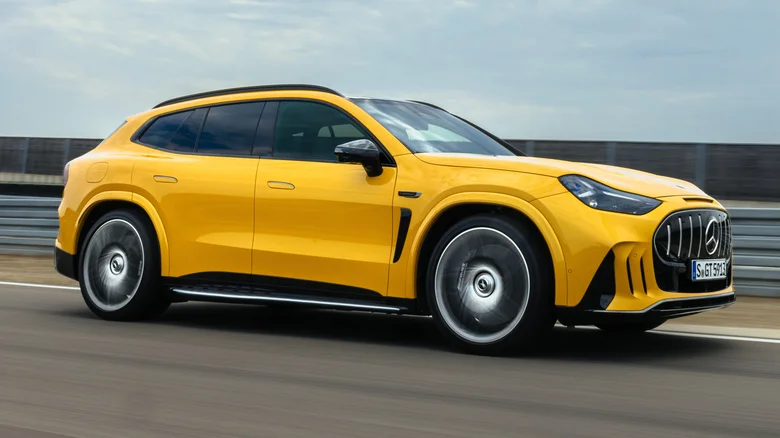
AMG has also put serious work into the chassis. The GT 55 and GT 63 get active suspension that controls body roll and pitch, while rear-wheel steering helps this heavy SUV feel more agile. It can weigh up to 2,715 kg, so powerful brakes are essential. Steel brakes are standard on the GT 53 and GT 55, while the GT 63 gets carbon-ceramic units. The cabin looks far more convincing than the bulky exterior, with a 10.2-inch instrument display, a 14-inch central screen, an optional passenger display, and plenty of leather and carbon fiber.
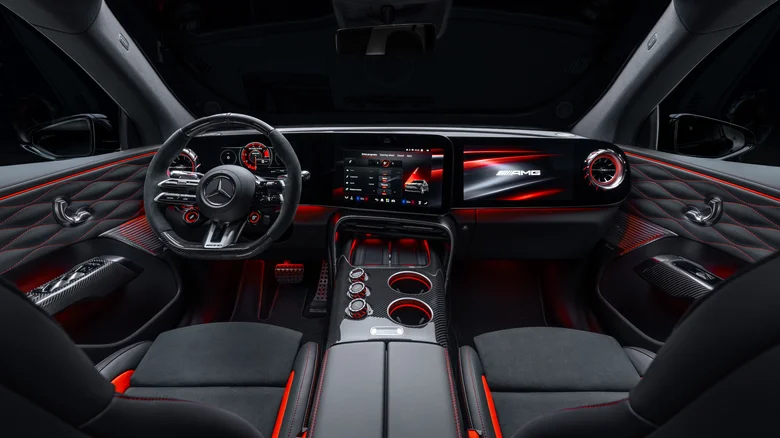
And yes, AMG knows some drivers will miss the sound of a combustion engine. Its AMGFORCE Sport+ system adds simulated engine sounds, virtual gear changes and even seat vibrations. The GT 53 mimics an inline-six, while the GT 55 and GT 63 draw inspiration from AMG V8s.
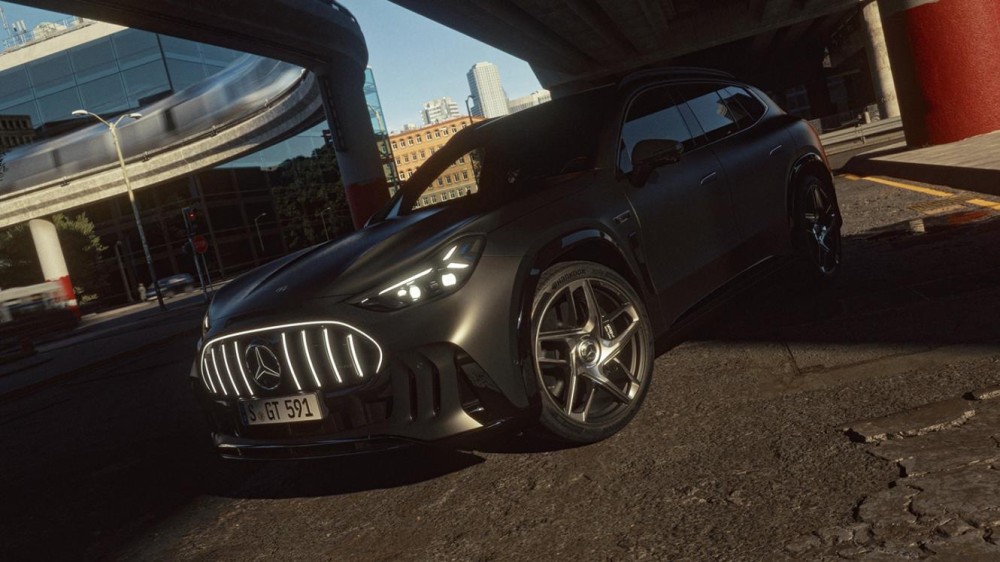
Track-focused features include telemetry, lap timing, and augmented-reality racing lines. European sales start with the GT 53 at €113,500, around $127,000, while the more powerful versions arrive between March and May. Sales are planned to begin next summer, though U.S. pricing and launch details remain unconfirmed.