Maxing the Miles: 10 Real Ways to Boost Your EV Range in 2026
by AutoExpert | 29 January, 2026
Electric cars have come a crazy long way since the late 2000s when they were basically just weird experiments on wheels. Now they're everywhere, and honestly for good reason. Most modern EVs can go pretty far, charge up faster, and you get all these government breaks that make them way cheaper to run than gas guzzlers.
But here's the thing. Even though electric is obviously where everything's headed, charging spots in a lot of places are still sketchy. And that can really suck. Maybe that charger your app said was available isn't actually working when you pull up on a road trip. Or there's already a bunch of cars lined up at your go-to fast charger so now you're driving to the next town over. When stuff like that happens, getting every last mile out of your battery becomes critical. Here are ten ways that actually work to stretch your EV's range.
Drive Gently
The instant kick EVs have when you floor it is honestly addicting. Blowing past other cars never gets old. That's one of the main reasons people switch from gas cars in the first place. But the harder you stomp on it, the faster your battery dies and your range tanks. Try chilling out with your driving instead.
Ease up to a cruising speed and just hold it there. Use Cruise Control for this. It keeps you at a steady speed without you doing anything, and it's way better at it than you are.
Lots of EVs also have Adaptive Cruise Control, which is even cooler. Uses your GPS, traffic data, and sensors to basically predict what's coming. Like if there's a hill up ahead, it'll back off the gas and let gravity keep you rolling. Or it'll start slowing down for your exit way early because of traffic conditions.
And just drive slower in general. EVs are more efficient than gas cars, sure, but you still can't beat physics. After 50 mph, you're using more energy pushing through air than actually moving the car's weight. So if the limit's 75, cruise at 65 instead. You'll get way more range.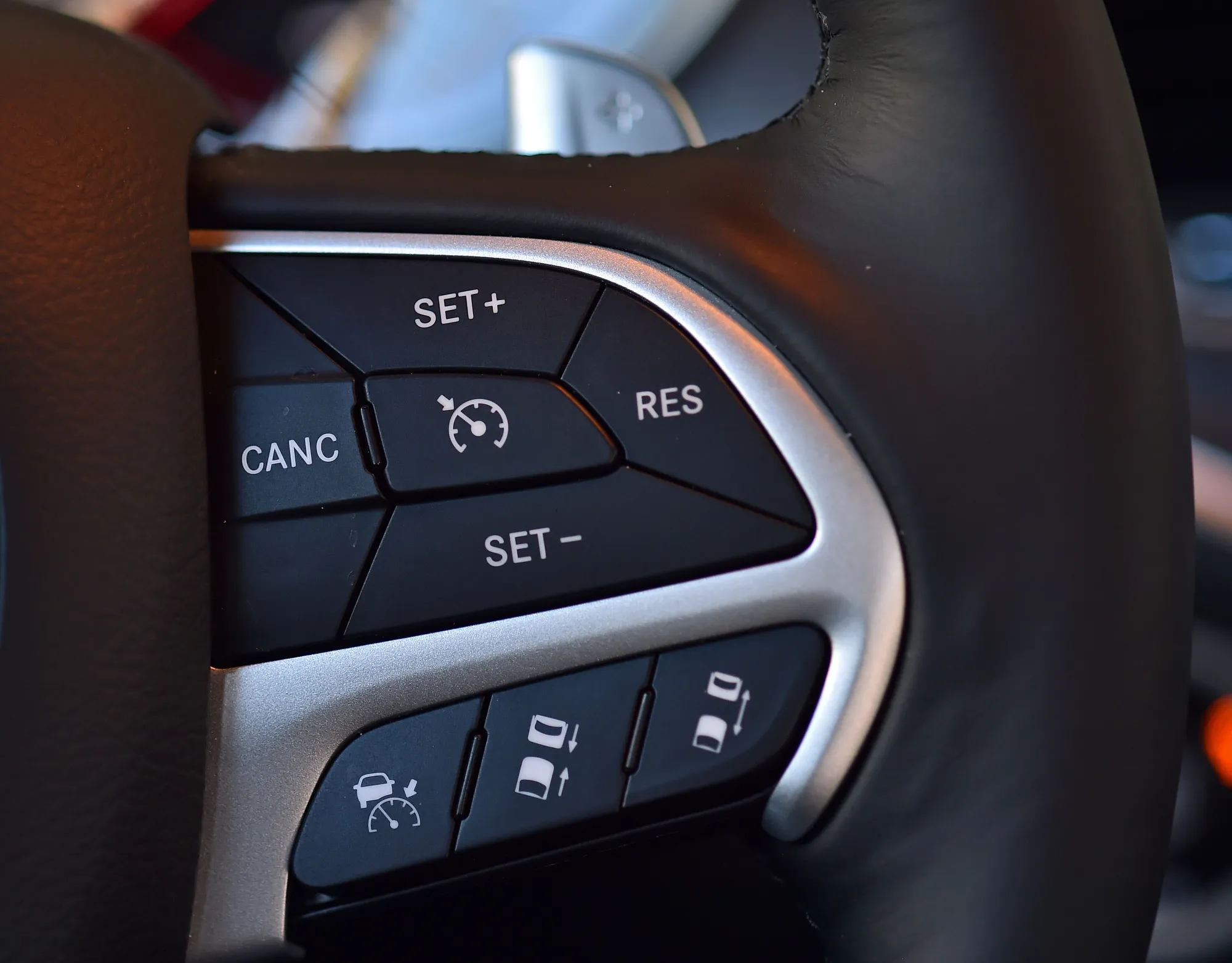
Use Regen Braking
EV motors take electricity from the battery and turn it into motion. Super clean, no wasted energy as heat or noise. Regenerative braking does the reverse. When you slow down, it turns that motion back into electricity.
So when you let off the gas and tap the brakes, regen kicks in instead of your brake pads. Generates power, charges the battery, helps you stop. EVs can grab back up to 70% of the energy that would've just disappeared otherwise.
Newer EVs let you pick different regen levels. The most aggressive one for city driving is One Pedal Driving. Basically makes your brakes obsolete. Lift off the gas and the motors spin backwards to capture max energy, which feels like braking and brings you to a full stop.
Try Lift and Coast
If your EV doesn't have regen or it's kinda weak, there's another trick: lift and coast. Anyone who watches Formula 1 knows this one. You let off the gas way before you actually need to brake and just let the car glide.
Not great for city driving with all the traffic, but it's actually more efficient than regen because there's no energy lost converting stuff back and forth. Best bet is mixing both. Turn regen off or keep it low on the highway, then max it out in the city or when you're stuck in traffic. That combo gets you the most miles.
Use Eco Mode
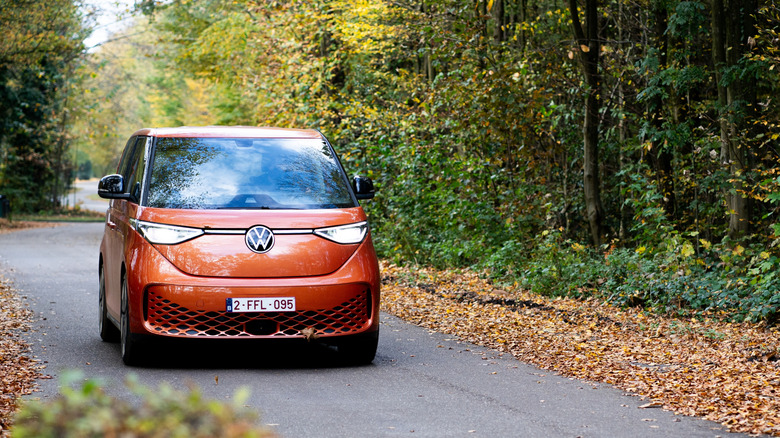
All new EVs have different driving modes for different situations. Eco mode is clutch when you can't find a charger. Flip it on and it limits certain things to save juice. Depending on your car, might tone down the power, mess with climate settings, make the gas pedal less touchy, or stop you from changing speeds too quick.
How much it actually helps varies by car. Some see a huge boost in range, others barely notice. Test it out yourself. Drive in normal mode one day, eco mode the next, see what happens. That'll give you a decent idea of what to expect if you ever really need it.
Inflate Tires Properly
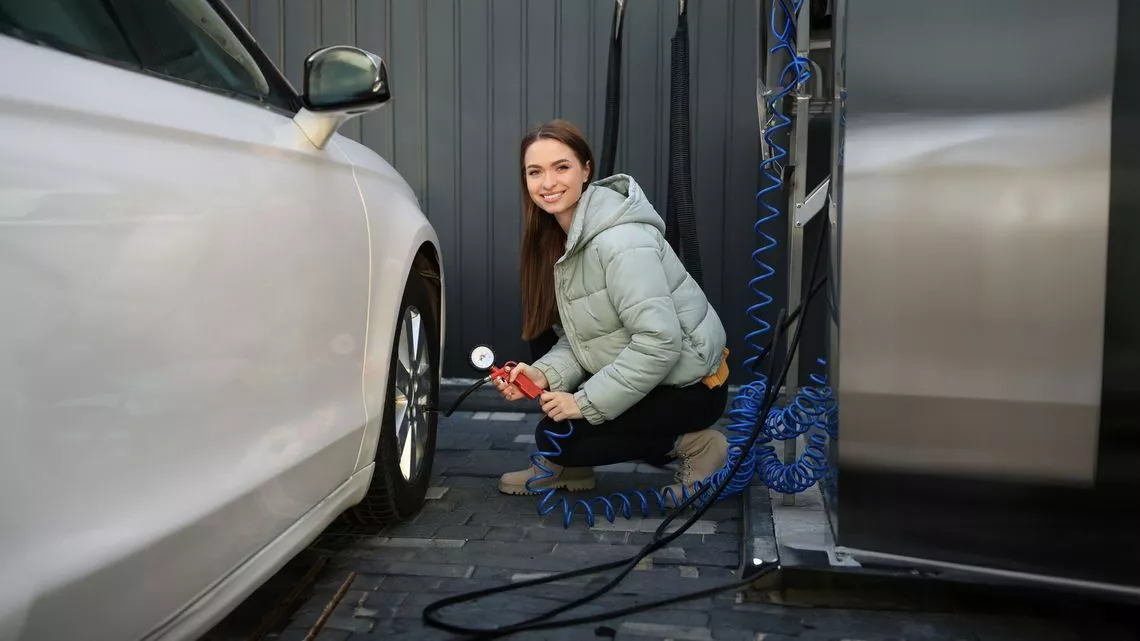
Tires are huge since they're literally the only thing connecting your car to the ground. They deal with constant friction, and if they're not pumped up right, you're burning way more energy. Not a ton of EV-specific studies yet, but the Department of Energy found underinflated tires drop gas mileage by about 0.2% for every psi you're down. So check your tire pressure. The right number's on a sticker inside the driver's door. Newer EVs show it right on the dash too.
Type of tire also matters big time. EV and gas car tires look the same but they're totally different. EVs need special ones to handle all that battery weight and instant torque while staying slippery through the air for max range and a quiet cabin.
Ditch Extra Weight and Roof Racks
EV companies spend forever designing the sleekest shape possible so the car cuts through air with barely any drag. That's huge for range. But throw a roof rack on there and you've screwed up the whole thing. Can add like 15% more drag. Now your car's working way harder and burning more battery to go the same speed. Take the roof rack off if you're not using it.
Also, clean out your car. Sounds dumb but the less weight you're dragging around, the better. Most people have a ton of random junk in their trunk they could toss. And if you added any body kits or whatever, those can go too.
Precondition the Cabin
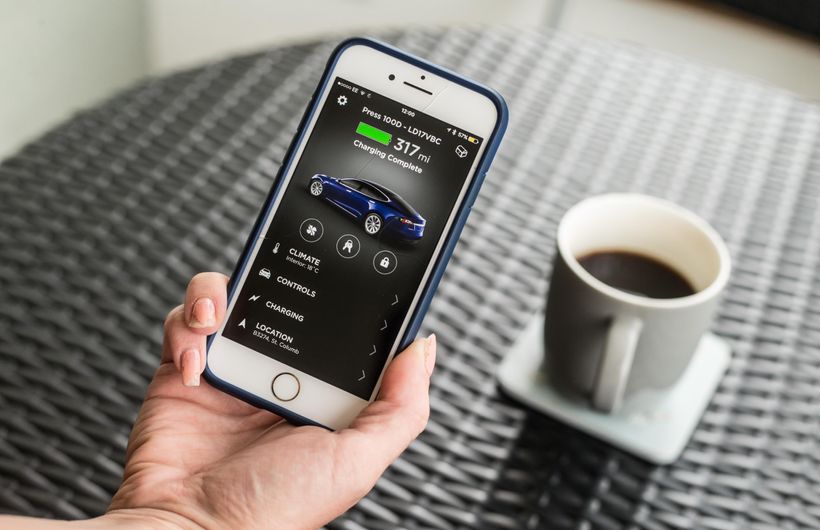
Gas cars just redirect engine heat into the cabin when it's cold out. EVs don't make extra heat like that. All your warmth comes straight from the battery, which uses more power than basically anything and murders your range. Good news is most new EVs have apps that let you control stuff remotely. That's where preconditioning saves you.
If you charge at home and leave for work at the same time every morning, heat up the cabin before you head out. The power from your house runs the heater so it doesn't touch your battery at all. Then you leave with a toasty car and a full charge. Also, when you're by yourself, just use the heated seat instead of heating the whole car. Keeps you warm without wasting a bunch of energy on empty space.
Keep Windows Closed
Cruising with the windows down on a beautiful day feels incredible. And when your battery's getting low, it seems like a smart move to skip the AC and just open up. Except it's not. Opening windows in some cars cranks up energy use by 20%. All that extra air hitting the car means it's gotta work harder to keep moving.
There are exceptions though. Doesn't really matter at slower speeds since there's less wind. And your specific EV's shape plays into it too. Basic rule: city driving under 50 mph, windows down beats AC. Highway speeds, keep them up and run the air.
Plan Your Trip
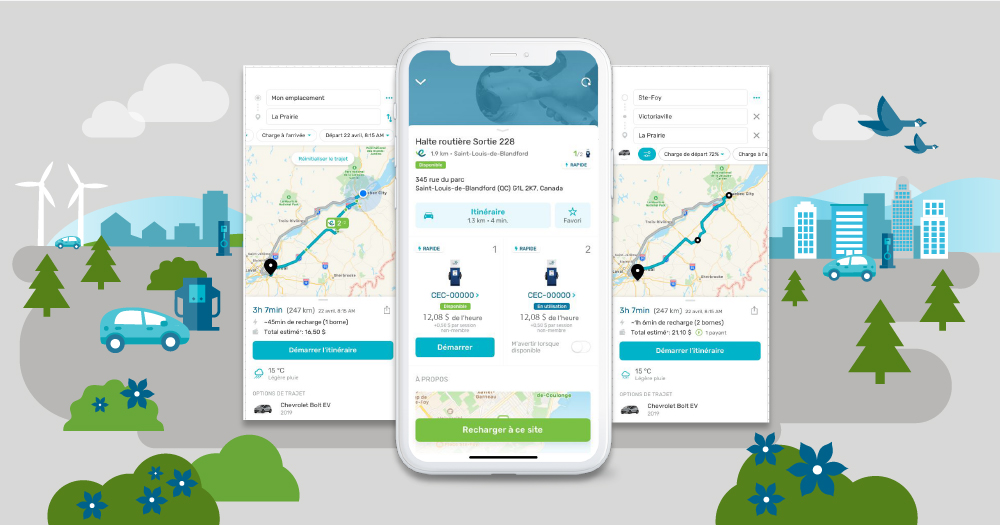
Planning a long haul in an EV is nothing like a gas car because of all the charging stops. Apps like Waze keep track of every public charger out there and let you filter by your car and how fast it charges. Sometimes the quickest route on the map isn't actually the best one. Gotta plan your stops smart.
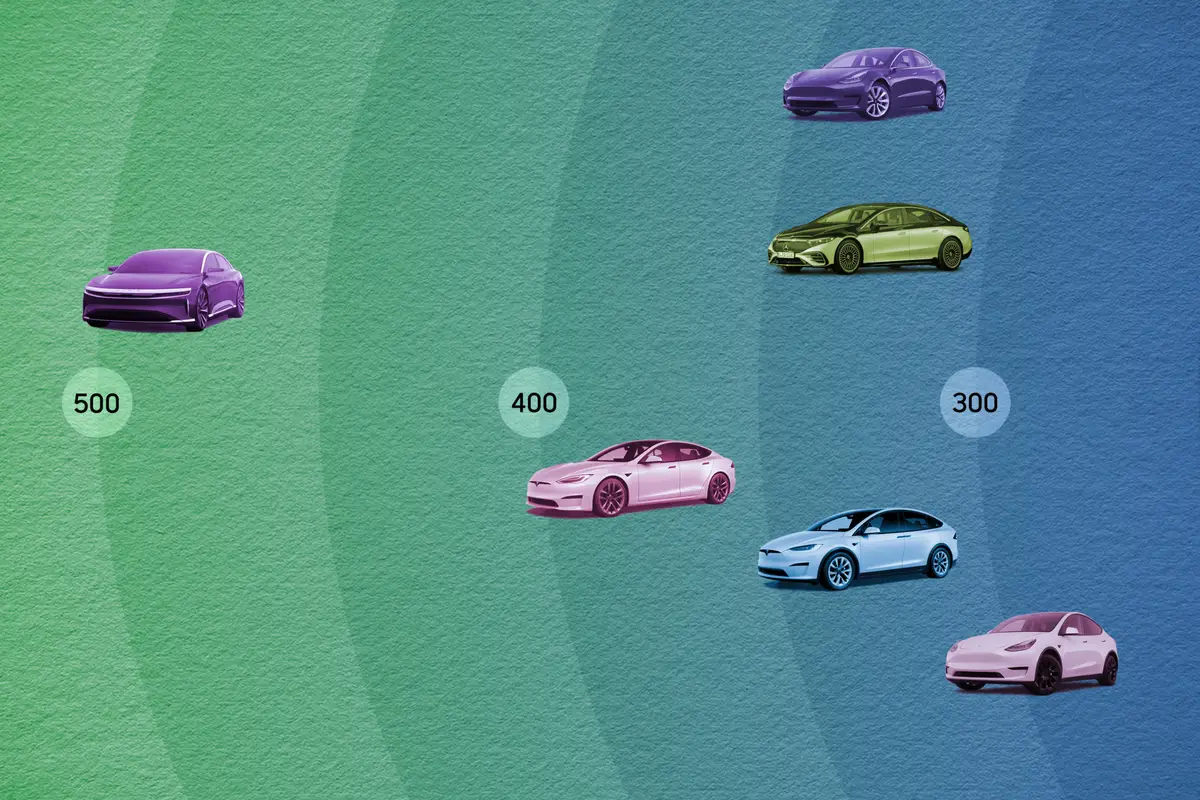
Check elevation changes too since hills eat battery like crazy. First time doing a long EV road trip? Don't believe the range numbers the company gives you. Those are from perfect lab conditions. Tesla Cybertruck owners have seen up to 20% less range than advertised. Look at the weather forecast too. EV batteries hate extreme temps. The chemicals inside slow way down when it's freezing. Your range can drop 20% easy in cold weather.
Get It Serviced
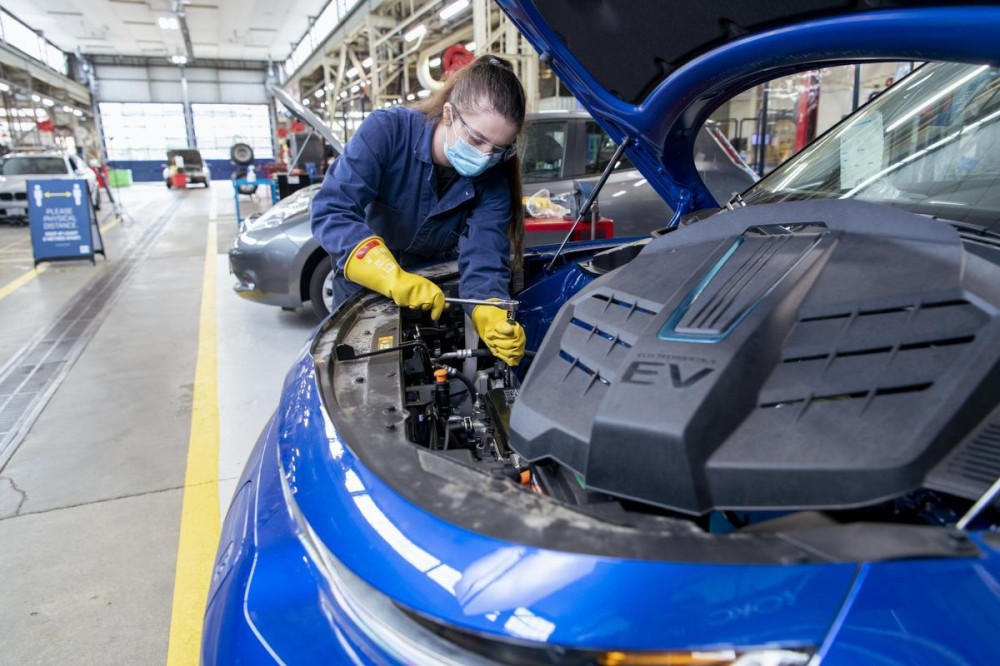
EVs have way fewer parts than regular cars, so no oil changes or topping off fluids every other month. But you still gotta maintain stuff like brakes and tires, plus the liquid cooling system. That's usually water mixed with ethylene glycol, keeps the battery and motor from overheating and choking performance.
When you bring it in, the tech checks for battery error codes to fix any weird energy issues and loads the latest software updates. Updates aren't always a big deal but sometimes they've got fixes that actually improve range. Car companies also want you getting a high-voltage battery checkup done now and then. Full inspection of temps, battery health, how much it's degraded, insulation, all that stuff.