More Than a Badge: Is a 2026 Cop Car Really Faster Than Yours?
by AutoExpert | 27 January, 2026
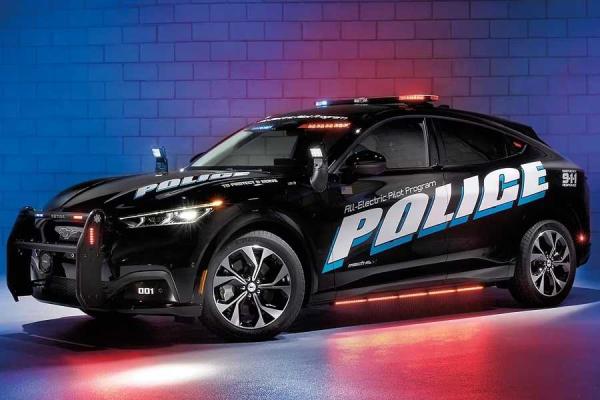
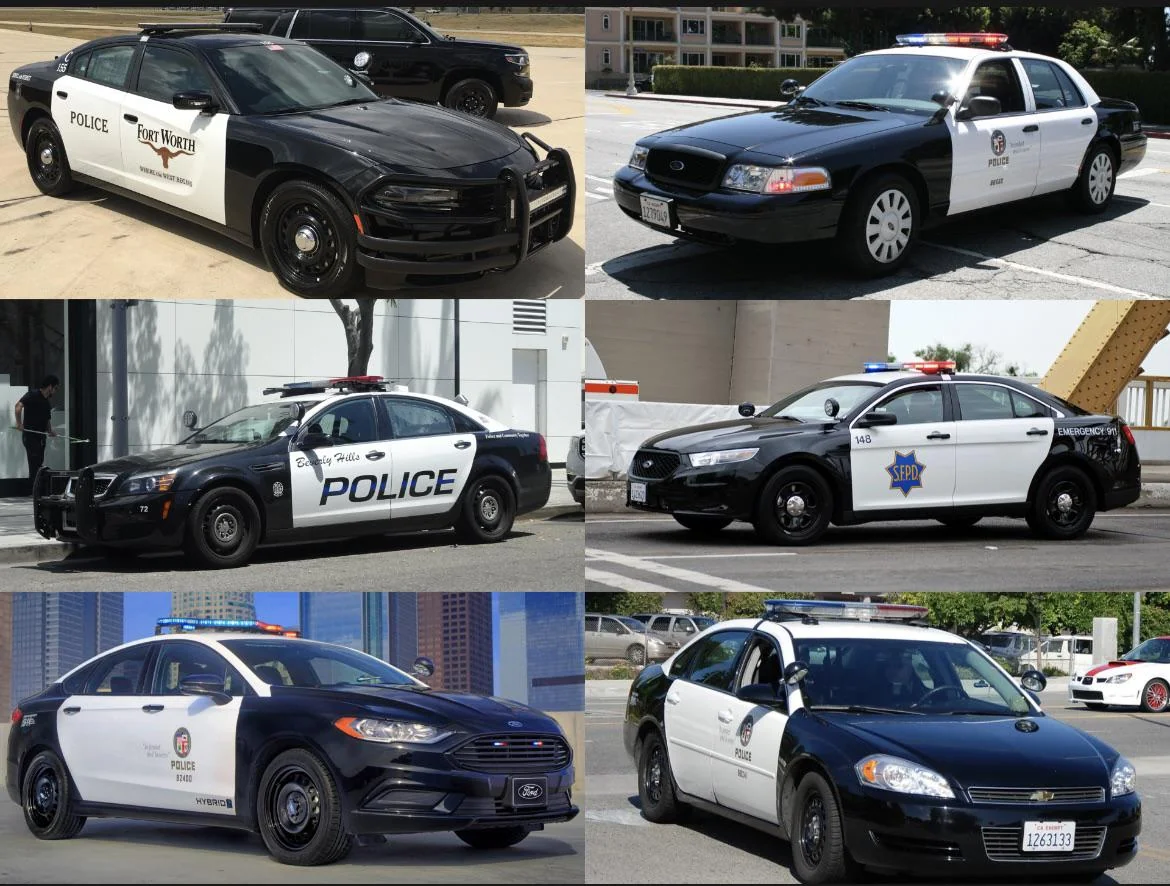
American police cars have changed a lot over the years, from the old Plymouth and Dodge models to today's Fords and Chevys. They've got some upgrades compared to regular cars, but they're really built more for durability than raw power. Pursuit cars get beefier suspension that you won't find on civilian models. Heavy-duty brakes and better cooling systems are pretty common too.
But when it comes to engines? Usually not that different from what regular people can buy. A lot of modern patrol vehicles that departments can order actually have the same power and torque as the standard versions. The 2026 Chevy Tahoe PPV (Police Pursuit Vehicle) has the same 355-horsepower 5.3-liter V8 as a regular Tahoe. Same deal with Stellantis cop cars. The 2026 Dodge Pursuit and Ram Special Service Vehicles get similar versions of the 5.7-liter and 6.4-liter Hemi V8s you can get in civilian models.
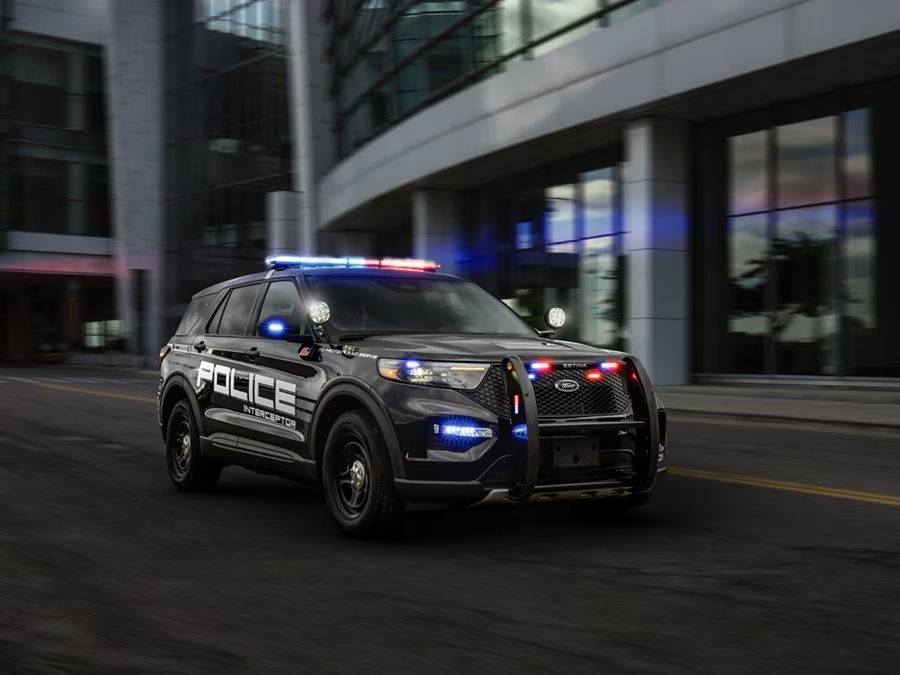
There are some exceptions though. The Ford Explorer Police Interceptor Utility gets a 318-horsepower hybrid setup you can't get in a brand new 2026 Explorer. Though to be fair, that powertrain showed up in the 2020-2023 Explorer models. The optional 400-horsepower 3.0-liter V6 is basically identical to what's in a regular 2026 Explorer. The police version does get special tuning for the engine and transmission though.
Police Cars Are More High-Tech Now
Not that long ago, police cars had a real power edge. The 2007 Ford Crown Victoria cop car put out 250 horsepower while the regular Crown Vic only made 239. Go back even further to the late 1960s and things were wild. Plymouth actually took the engine and performance parts from the Belvedere Police Package and used them to build the two-door Roadrunner for regular buyers. This was when the Dodge Polara Pursuit could hit 147 mph with its 375-horsepower Magnum 440. No wonder people thought cop cars had better engines.
Patrol cars have different needs than regular vehicles. They sit idling for hours, then might suddenly need to take off in a chase. According to Ford, the Explorer PIU's powertrain is specially tuned to handle that. It can even automatically detect when the vehicle switches to pursuit mode and adjust accordingly.
Police cars also get other software tricks. Chevy calls one feature Protected Idle, which is similar to Ford's Secure/Police Engine Idle. Basically works like an anti-theft system that keeps the engine and electronics running when an officer steps out, but won't let the transmission shift into drive. Patrol vehicles also have an Engine Idle Hour meter to track all that sitting around, plus high-output alternators and heavy-duty batteries. Though honestly, you can get those last two on some civilian trims too, depending on the model.